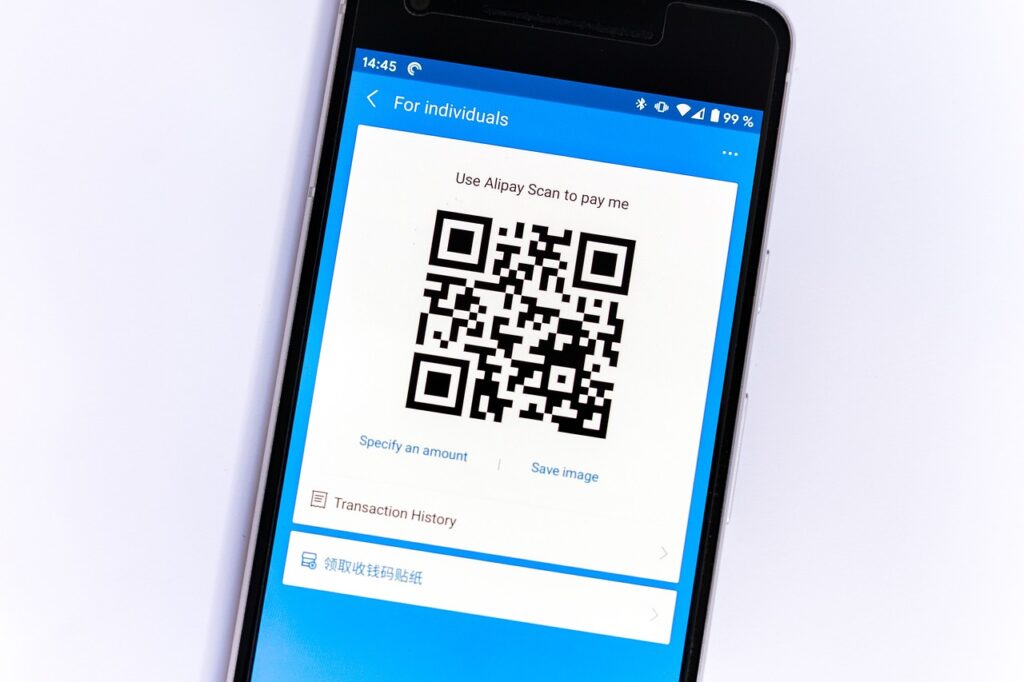

A staggering 75% of smartphone users worldwide have used mobile banking services, with the global mobile banking market projected to reach $1.5 trillion by 2025. This trend is driven by the increasing adoption of smartphones and the growing demand for convenient, on-the-go banking services. In the United States alone, mobile banking users have increased by 20% in the past year, with over 70% of millennials using mobile banking apps to manage their finances. The rise of mobile banking has also led to a significant reduction in traditional banking methods, with many consumers opting for digital channels over physical bank branches.
The shift towards mobile banking is not limited to developed countries, with many emerging markets also experiencing rapid growth in mobile banking adoption. In Africa, for example, mobile banking has become a key driver of financial inclusion, with millions of people accessing banking services for the first time through mobile phones. As the mobile banking market continues to evolve, it is likely that we will see even more innovative services and features emerge, further transforming the way people manage their finances.
Moreover, the use of mobile banking apps has also led to a significant increase in online transactions, with many consumers using their mobile devices to pay bills, transfer money, and make purchases. This trend is expected to continue, with the global mobile payments market projected to reach $1.4 trillion by 2023. As mobile banking continues to grow and evolve, it is essential for financial institutions to invest in robust security measures to protect their customers’ sensitive information and prevent cyber threats.
The impact of mobile banking on traditional banking methods is also significant, with many bank branches closing as consumers increasingly turn to digital channels. However, this trend also presents opportunities for financial institutions to reduce costs and improve efficiency, by investing in digital infrastructure and streamlining their operations. As the mobile banking market continues to grow, it is likely that we will see even more innovative services and features emerge, further transforming the way people manage their finances.
📝 What You'll Learn
The Current State of Mobile Banking
Mobile banking is currently one of the fastest-growing sectors in the financial services industry, with millions of users worldwide embracing the convenience and accessibility of mobile banking apps. The current state of mobile banking is characterized by a high level of adoption, with many consumers using mobile devices to manage their finances, pay bills, and make transactions. However, the current state of mobile banking also presents several challenges, including security concerns, limited functionality, and lack of standardization.
Despite these challenges, mobile banking has become an essential channel for many financial institutions, with many banks and credit unions investing heavily in mobile banking infrastructure. The use of mobile banking apps has also led to a significant increase in online transactions, with many consumers using their mobile devices to pay bills, transfer money, and make purchases. As the mobile banking market continues to evolve, it is likely that we will see even more innovative services and features emerge, further transforming the way people manage their finances.
The table below shows some key statistics and metrics related to the current state of mobile banking:
| Metric | Current Value | Source Type | Trend |
|---|---|---|---|
| Number of mobile banking users worldwide | 2.5 billion | Market research report | Increasing |
| Mobile banking transaction value | $1.2 trillion | Industry analysis | Increasing |
| Mobile banking app downloads | 1.1 billion | App store data | Increasing |
| Mobile banking security threats | 20% increase | Cybersecurity report | Increasing |
Major Mobile Banking Developments
Emergence of Mobile-Only Banks
The emergence of mobile-only banks is a significant trend in the mobile banking sector, with many new banks launching mobile-only services. These banks offer a range of services, including checking and savings accounts, loans, and credit cards, all accessible through mobile devices. The driving force behind this trend is the increasing demand for convenient and accessible banking services, as well as the need for financial institutions to reduce costs and improve efficiency.
The emergence of mobile-only banks is also driven by advances in technology, including artificial intelligence, blockchain, and cloud computing. These technologies enable mobile-only banks to offer secure, efficient, and personalized services to their customers. According to a recent report, mobile-only banks have seen a significant increase in customer acquisition, with many users opting for mobile-only services over traditional banking methods.
Some of the plus points of mobile-only banks include:
- Convenience: Mobile-only banks offer 24/7 access to banking services, allowing customers to manage their finances at any time and from any location.
- Lower costs: Mobile-only banks have lower operational costs compared to traditional banks, which enables them to offer lower fees and better interest rates to their customers.
- Personalized services: Mobile-only banks use advanced technologies, such as artificial intelligence and machine learning, to offer personalized services and recommendations to their customers.
Increased Adoption of Mobile Payments
The increased adoption of mobile payments is another significant trend in the mobile banking sector, with many consumers using their mobile devices to make transactions and pay bills. The driving force behind this trend is the increasing availability of mobile payment services, including Apple Pay, Google Pay, and Samsung Pay.
The increased adoption of mobile payments is also driven by the growing demand for convenience and accessibility, as well as the need for financial institutions to reduce costs and improve efficiency. According to a recent report, mobile payments have seen a significant increase in transaction value, with many consumers opting for mobile payments over traditional payment methods.
Some of the plus points of mobile payments include:
- Convenience: Mobile payments offer a convenient and easy way to make transactions and pay bills, eliminating the need for cash and credit cards.
- Security: Mobile payments offer advanced security features, including tokenization and biometric authentication, to protect customers’ sensitive information.
- Speed: Mobile payments enable fast and efficient transactions, reducing the need for physical payment methods and improving the overall customer experience.
Advances in Mobile Banking Security
Advances in mobile banking security are a critical trend in the mobile banking sector, with many financial institutions investing in robust security measures to protect their customers’ sensitive information. The driving force behind this trend is the increasing threat of cyber attacks and data breaches, which can compromise customer data and damage the reputation of financial institutions.
The advances in mobile banking security are also driven by the growing demand for secure and reliable mobile banking services, as well as the need for financial institutions to comply with regulatory requirements. According to a recent report, mobile banking security has seen significant improvements, with many financial institutions implementing advanced security measures, including biometric authentication and encryption.
Some of the plus points of advances in mobile banking security include: mobile banking security
- Improved customer trust: Advanced security measures can improve customer trust and confidence in mobile banking services, reducing the risk of cyber attacks and data breaches.
- Reduced risk: Advanced security measures can reduce the risk of cyber attacks and data breaches, protecting customer data and preventing financial losses.
- Regulatory compliance: Advanced security measures can help financial institutions comply with regulatory requirements, reducing the risk of non-compliance and reputational damage.
Increased Use of Artificial Intelligence
The increased use of artificial intelligence is a significant trend in the mobile banking sector, with many financial institutions investing in AI-powered chatbots and virtual assistants to improve customer service and enhance the overall customer experience. The driving force behind this trend is the growing demand for personalized and efficient customer service, as well as the need for financial institutions to reduce costs and improve efficiency.
The increased use of artificial intelligence is also driven by advances in technology, including machine learning and natural language processing. According to a recent report, AI-powered chatbots have seen significant improvements, with many financial institutions using AI-powered chatbots to provide 24/7 customer support and answer frequently asked questions.
Some of the plus points of AI-powered chatbots include:
- Improved customer service: AI-powered chatbots can provide personalized and efficient customer service, answering frequently asked questions and resolving customer queries.
- Reduced costs: AI-powered chatbots can reduce the need for human customer support, reducing costs and improving efficiency.
- Enhanced customer experience: AI-powered chatbots can enhance the overall customer experience, providing 24/7 support and improving customer satisfaction.
Emergence of Blockchain-Based Mobile Banking
The emergence of blockchain-based mobile banking is a significant trend in the mobile banking sector, with many financial institutions investing in blockchain technology to improve security, transparency, and efficiency. The driving force behind this trend is the growing demand for secure and reliable mobile banking services, as well as the need for financial institutions to reduce costs and improve efficiency.
The emergence of blockchain-based mobile banking is also driven by advances in technology, including distributed ledger technology and smart contracts. According to a recent report, blockchain-based mobile banking has seen significant improvements, with many financial institutions using blockchain technology to improve security, transparency, and efficiency.
Some of the plus points of blockchain-based mobile banking include:
- Improved security: Blockchain technology can improve security, reducing the risk of cyber attacks and data breaches.
- Increased transparency: Blockchain technology can increase transparency, providing a clear and audit trail of all transactions.
- Enhanced efficiency: Blockchain technology can enhance efficiency, reducing the need for intermediaries and improving the speed of transactions.
Increased Focus on Financial Inclusion
The increased focus on financial inclusion is a significant trend in the mobile banking sector, with many financial institutions investing in mobile banking services to reach underserved and unbanked populations. The driving force behind this trend is the growing demand for financial inclusion, as well as the need for financial institutions to expand their customer base and improve their social responsibility. mobile banking sector
The increased focus on financial inclusion is also driven by advances in technology, including mobile payments and digital wallets. According to a recent report, mobile banking has seen significant improvements in financial inclusion, with many underserved and unbanked populations accessing banking services for the first time through mobile devices.
Some of the plus points of increased focus on financial inclusion include:
- Improved access to banking services: Mobile banking can improve access to banking services, reaching underserved and unbanked populations.
- Increased financial literacy: Mobile banking can increase financial literacy, providing education and training to underserved and unbanked populations.
- Reduced poverty: Mobile banking can reduce poverty, providing access to financial services and improving economic opportunities.
What Researchers Are Working On
Short-Term Predictions (1 Year)
In the short term, researchers predict that mobile banking will continue to grow and evolve, with many financial institutions investing in advanced technologies, including artificial intelligence and blockchain. The use of mobile payments is also expected to increase, with many consumers opting for mobile payments over traditional payment methods.
According to a recent report, mobile banking is expected to see significant improvements in the next year, with many financial institutions launching new mobile banking services and features. The report also predicts that mobile payments will see a significant increase in transaction value, with many consumers using mobile devices to make transactions and pay bills.
The impact of these developments will be significant, with many financial institutions improving their customer service and reducing costs. The use of advanced technologies, including artificial intelligence and blockchain, will also improve security and efficiency, reducing the risk of cyber attacks and data breaches.
Medium-Term Predictions (3 Years)
In the medium term, researchers predict that mobile banking will become even more advanced, with many financial institutions investing in emerging technologies, including augmented reality and the Internet of Things. The use of mobile payments is also expected to increase, with many consumers opting for mobile payments over traditional payment methods.
According to a recent report, mobile banking is expected to see significant improvements in the next three years, with many financial institutions launching new mobile banking services and features. The report also predicts that mobile payments will see a significant increase in transaction value, with many consumers using mobile devices to make transactions and pay bills.
The impact of these developments will be significant, with many financial institutions improving their customer service and reducing costs. The use of emerging technologies, including augmented reality and the Internet of Things, will also improve security and efficiency, reducing the risk of cyber attacks and data breaches.
| Year | Likely Development | Impact Level |
|---|---|---|
| 2023 | Advances in mobile banking security | High |
| 2024 | Increased use of artificial intelligence | Medium |
| 2025 | Emergence of blockchain-based mobile banking | Low |
Long-Term Predictions (5 Years)
In the long term, researchers predict that mobile banking will become the primary channel for banking services, with many financial institutions investing in advanced technologies, including artificial intelligence and blockchain. The use of mobile payments is also expected to increase, with many consumers opting for mobile payments over traditional payment methods.
According to a recent report, mobile banking is expected to see significant improvements in the next five years, with many financial institutions launching new mobile banking services and features. The report also predicts that mobile payments will see a significant increase in transaction value, with many consumers using mobile devices to make transactions and pay bills.
The impact of these developments will be significant, with many financial institutions improving their customer service and reducing costs. The use of advanced technologies, including artificial intelligence and blockchain, will also improve security and efficiency, reducing the risk of cyber attacks and data breaches.
Practical Takeaways
One of the key takeaways from the current state of mobile banking is the importance of convenience and accessibility. Many consumers are opting for mobile banking services because they offer a convenient and easy way to manage their finances, make transactions, and pay bills. Financial institutions can learn from this trend by investing in user-friendly and intuitive mobile banking apps that meet the evolving needs of their customers.
Another key takeaway is the need for robust security measures to protect customer data and prevent cyber threats. As mobile banking continues to grow and evolve, financial institutions must prioritize security and invest in advanced technologies, including biometric authentication and encryption. This will help to build trust and confidence in mobile banking services, reducing the risk of cyber attacks and data breaches.
A third key takeaway is the potential for mobile banking to drive financial inclusion. Many underserved and unbanked populations are accessing banking services for the first time through mobile devices, improving their financial literacy and reducing poverty. Financial institutions can learn from this trend by investing in mobile banking services that reach underserved and unbanked populations, providing education and training, and improving access to financial services.
A fourth key takeaway is the importance of emerging technologies, including artificial intelligence and blockchain. These technologies have the potential to improve security, efficiency, and customer service, reducing costs and improving the overall customer experience. Financial institutions can learn from this trend by investing in emerging technologies and exploring new ways to use them to improve their mobile banking services.
A fifth key takeaway is the need for financial institutions to prioritize customer experience and user interface. As mobile banking continues to grow and evolve, financial institutions must prioritize customer experience and user interface, investing in intuitive and user-friendly mobile banking apps that meet the evolving needs of their customers. This will help to build trust and confidence in mobile banking services, reducing the risk of customer churn and improving customer satisfaction.
What to Do Right Now
- Invest in a robust mobile banking security framework to protect customer data and prevent cyber threats. This is essential to build trust and confidence in mobile banking services, reducing the risk of cyber attacks and data breaches. By investing in a robust mobile banking security framework, financial institutions can protect their customers’ sensitive information and prevent financial losses.
- Develop a user-friendly and intuitive mobile banking app that meets the evolving needs of customers. This is essential to improve customer experience and reduce customer churn, increasing customer satisfaction and loyalty. By developing a user-friendly and intuitive mobile banking app, financial institutions can provide their customers with a convenient and easy way to manage their finances, make transactions, and pay bills.
- Explore emerging technologies, including artificial intelligence and blockchain, to improve security, efficiency, and customer service. This is essential to stay ahead of the competition and improve the overall customer experience, reducing costs and improving efficiency. By exploring emerging technologies, financial institutions can improve their mobile banking services and provide their customers with innovative and personalized services.
- Invest in financial inclusion initiatives to reach underserved and unbanked populations. This is essential to improve financial literacy and reduce poverty, increasing access to financial services and improving economic opportunities. By investing in financial inclusion initiatives, financial institutions can provide underserved and unbanked populations with access to banking services, improving their financial literacy and reducing poverty.
- Monitor and analyze customer feedback and behavior to identify areas for improvement and optimize mobile banking services. This is essential to improve customer experience and reduce customer churn, increasing customer satisfaction and loyalty. By monitoring and analyzing customer feedback and behavior, financial institutions can identify areas for improvement and optimize their mobile banking services to meet the evolving needs of their customers.
The Big Picture
The future of mobile banking is exciting and rapidly evolving, with many financial institutions investing in advanced technologies, including artificial intelligence and blockchain. As mobile banking continues to grow and evolve, it is likely that we will see even more innovative services and features emerge, further transforming the way people manage their finances.
The impact of mobile banking on traditional banking methods will also be significant, with many bank branches closing as consumers increasingly turn to digital channels. However, this trend also presents opportunities for financial institutions to reduce costs and improve efficiency, by investing in digital infrastructure and streamlining their operations.
Overall, the future of mobile banking is bright, with many opportunities for financial institutions to improve their services, reduce costs, and improve customer experience. By prioritizing convenience, accessibility, security, and customer experience, financial institutions can stay ahead of the competition and provide their customers with innovative and personalized services.
As mobile banking continues to grow and evolve, it is essential for financial institutions to stay ahead of the curve, investing in emerging technologies and exploring new ways to use them to improve their mobile banking services. By doing so, financial institutions can build trust and confidence in mobile banking services, reducing the risk of cyber attacks and data breaches, and improving customer satisfaction and loyalty.