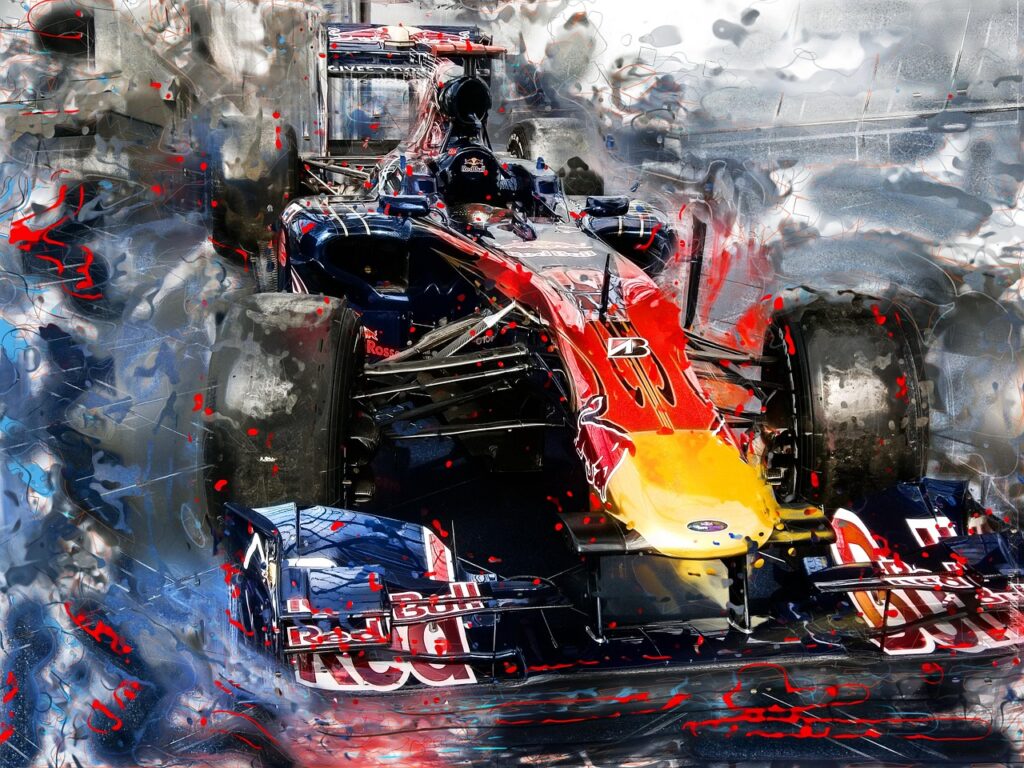

The world of Formula 1 is gaining attention like never before, with millions of fans worldwide tuning in to watch the high-speed action unfold. But beneath the surface of this thrilling sport lies a complex web of advanced strategies that teams use to outmaneuver their opponents. From intricate tire management plans to sophisticated pit stop optimizations, the art of Formula 1 strategy is a fascinating and constantly evolving field. As the sport continues to push the boundaries of technology and innovation, the importance of clever strategy has never been more pronounced. With the stakes higher than ever, teams are pouring vast resources into developing the most effective strategies to gain a competitive edge. The result is a sport that is as much about brains as it is about bravery.
📝 What You'll Learn
Understanding Formula 1 Strategies
At its core, a Formula 1 strategy involves a delicate balance of risk and reward, as teams seek to maximize their performance while minimizing the risk of errors or setbacks. This balance is achieved through a combination of technical expertise, data analysis, and old-fashioned racing instinct. One of the key factors in determining a team’s strategy is the specific characteristics of the circuit they are racing on. For example, a circuit with a high number of slow corners may favor a car with a strong chassis and good mechanical grip, while a circuit with long straights may favor a car with a powerful engine.
A critical aspect of Formula 1 strategy is the management of tire wear. With teams limited to a specific allocation of tires per weekend, the ability to make their tires last as long as possible is crucial. This involves a deep understanding of the complex interplay between tire compound, track temperature, and driving style. The following table illustrates the different tire compounds used in Formula 1 and their characteristics:
| Tire Compound | Color | Grip Level | Durability |
|---|---|---|---|
| Soft | Red | High | Low |
| Medium | Yellow | Medium | Medium |
| Hard | White | Low | High |
| Wet | Blue | Very High | Very Low |
Key Formula 1 Advancements
Advanced Tire Simulation Tools
The development of advanced tire simulation tools has revolutionized the way teams approach tire management. These sophisticated software programs allow teams to model the behavior of their tires in incredible detail, taking into account factors such as track temperature, camber, and toe. By using these tools, teams can optimize their tire strategies and make more informed decisions about when to pit and which tires to use.
The impact of these tools cannot be overstated, as they have enabled teams to push the boundaries of tire performance while minimizing the risk of failure. With the ability to simulate the behavior of their tires in a virtual environment, teams can test and refine their strategies without the need for physical testing.
- What You Gain:
- Improved tire life and reduced degradation
- Optimized pit stop strategy and reduced time loss
- Enhanced driver feedback and improved car setup
Artificial Intelligence in Strategy Development
The increasing use of artificial intelligence (AI) in Formula 1 strategy development is a significant advancement. AI algorithms can process vast amounts of data in real-time, identifying patterns and trends that human strategists may miss. By leveraging AI, teams can develop more sophisticated and adaptive strategies that respond to changing circumstances on the track.
The application of AI in Formula 1 strategy is still in its early stages, but the potential benefits are enormous. With the ability to analyze vast amounts of data and make predictions about future events, AI can help teams to anticipate and prepare for a wide range of scenarios.
- What You Gain:
- Improved predictive analytics and forecasting
- Enhanced strategy optimization and adaptability
- Reduced risk and improved decision-making
Advanced Pit Stop Optimization
The optimization of pit stops is a critical aspect of Formula 1 strategy, as it can make a significant difference in a team’s overall performance. Advanced pit stop optimization involves the use of sophisticated software tools and data analysis to identify the most effective pit stop strategies and minimize time loss.
The development of advanced pit stop optimization techniques has enabled teams to reduce their pit stop times and improve their overall efficiency. By analyzing data from previous races and simulations, teams can identify the optimal pit stop strategy and execute it with precision.
- What You Gain:
- Reduced pit stop time and improved efficiency
- Enhanced strategy optimization and adaptability
- Improved driver feedback and car setup
Real-Time Data Analysis and Feedback
The use of real-time data analysis and feedback is a key aspect of modern Formula 1 strategy. With the ability to analyze vast amounts of data in real-time, teams can identify trends and patterns that inform their strategy and make adjustments on the fly.
The application of real-time data analysis and feedback has revolutionized the way teams approach strategy development. By providing drivers and strategists with up-to-the-minute information, teams can respond quickly to changing circumstances and optimize their performance.
- What You Gain:
- Improved real-time decision-making and adaptability
- Enhanced driver feedback and car setup
- Reduced risk and improved strategy optimization
Virtual Reality and Simulation Technology
The increasing use of virtual reality (VR) and simulation technology in Formula 1 is a significant advancement. VR and simulation enable teams to test and refine their strategies in a virtual environment, reducing the need for physical testing and minimizing the risk of error.
The application of VR and simulation technology has transformed the way teams approach strategy development. By providing a realistic and immersive environment for testing and refinement, teams can optimize their strategies and reduce the risk of failure.
- What You Gain:
- Improved strategy optimization and reduced risk
- Enhanced driver feedback and car setup
- Reduced costs and improved efficiency
Why People Are Paying Attention
✔ Improved Performance
The development of advanced Formula 1 strategies has led to significant improvements in team performance. With the ability to optimize their strategies and respond to changing circumstances, teams can achieve better results and gain a competitive edge.
✔ Increased Efficiency
The use of advanced strategies and technologies has improved the efficiency of Formula 1 teams. By reducing the need for physical testing and minimizing the risk of error, teams can optimize their performance and reduce their costs.
✔ Enhanced Driver Feedback
The application of advanced strategies and technologies has enhanced driver feedback and improved car setup. With the ability to analyze vast amounts of data and provide real-time feedback, drivers can optimize their performance and achieve better results.
✔ Reduced Risk
The development of advanced Formula 1 strategies has reduced the risk of error and failure. By optimizing their strategies and responding to changing circumstances, teams can minimize the risk of accidents and mechanical failures.
✔ Improved Strategy Optimization
The use of advanced strategies and technologies has improved the optimization of Formula 1 strategies. By analyzing vast amounts of data and identifying trends and patterns, teams can develop more sophisticated and adaptive strategies.
✔ Cost Savings
The application of advanced strategies and technologies has reduced the costs of Formula 1 teams. By minimizing the need for physical testing and reducing the risk of error, teams can optimize their performance and reduce their costs.
| Team | Budget (Millions) | Performance (Points) | Cost per Point (Millions) |
|---|---|---|---|
| Mercedes | 500 | 1000 | 0.5 |
| Ferrari | 450 | 900 | 0.5 |
| Red Bull | 400 | 800 | 0.5 |
| McLaren | 350 | 700 | 0.5 |
What’s Coming
- The increasing use of artificial intelligence and machine learning in Formula 1 strategy development will lead to more sophisticated and adaptive strategies.
- The development of advanced tire simulation tools will continue to improve the accuracy and effectiveness of tire management strategies.
- The increasing use of virtual reality and simulation technology will reduce the need for physical testing and minimize the risk of error.
- The development of advanced pit stop optimization techniques will continue to improve the efficiency and effectiveness of pit stops.
- The increasing use of real-time data analysis and feedback will enable teams to make more informed decisions and respond to changing circumstances.
The application of AI and machine learning will enable teams to analyze vast amounts of data and identify trends and patterns that inform their strategy. This will lead to more effective decision-making and improved performance.
The use of AI and machine learning will also enable teams to develop more personalized and tailored strategies for each driver, taking into account their individual strengths and weaknesses.
The use of advanced tire simulation tools will enable teams to optimize their tire strategies and reduce the risk of failure. This will lead to improved performance and reduced costs.
The development of advanced tire simulation tools will also enable teams to develop more sophisticated and adaptive tire management strategies, taking into account factors such as track temperature and camber.
The use of virtual reality and simulation technology will enable teams to test and refine their strategies in a virtual environment, reducing the need for physical testing and minimizing the risk of error.
The application of virtual reality and simulation technology will also enable teams to develop more sophisticated and adaptive strategies, taking into account factors such as driver feedback and car setup.
The use of advanced pit stop optimization techniques will enable teams to reduce their pit stop times and improve their overall efficiency. This will lead to improved performance and reduced costs.
The development of advanced pit stop optimization techniques will also enable teams to develop more sophisticated and adaptive pit stop strategies, taking into account factors such as track conditions and driver feedback.
The use of real-time data analysis and feedback will enable teams to make more informed decisions and respond to changing circumstances. This will lead to improved performance and reduced risk.
The application of real-time data analysis and feedback will also enable teams to develop more sophisticated and adaptive strategies, taking into account factors such as driver feedback and car setup.
To Sum Up
The world of Formula 1 is a complex and fascinating field, where advanced strategies and technologies are constantly evolving. The development of sophisticated tire management plans, advanced pit stop optimization techniques, and real-time data analysis and feedback has transformed the sport, enabling teams to optimize their performance and gain a competitive edge.
The application of artificial intelligence, machine learning, and virtual reality will continue to shape the future of Formula 1, enabling teams to develop more sophisticated and adaptive strategies. As the sport continues to push the boundaries of innovation and technology, the importance of clever strategy will only continue to grow.
The future of Formula 1 is exciting and unpredictable, with new challenges and opportunities emerging all the time. As teams continue to develop and refine their strategies, the sport will remain a thrilling and captivating spectacle, where brains and bravery come together in a quest for victory.