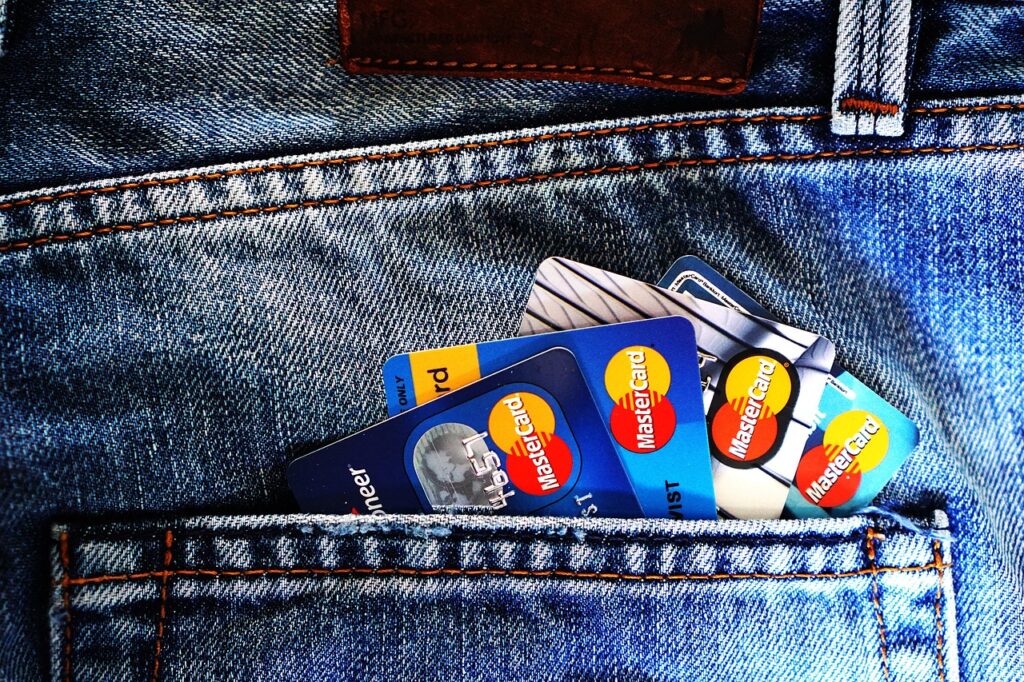

Are credit cards a necessary evil in today’s financial landscape, or can they be a valuable asset for those who know how to use them effectively? For many, credit cards are a source of frustration, leading to unforeseen debt and financial strain. However, with the right knowledge and strategies, it’s possible to navigate the world of credit cards with confidence.
📝 Contents
Common Challenges With The Basics of Credit Cards
High Interest Rates
High interest rates are one of the most significant challenges associated with credit cards. These rates can quickly add up, turning a manageable balance into an overwhelming debt. Industry studies show that high interest rates are a result of the credit card company’s need to make a profit, coupled with the consumer’s failure to pay off their balance in full each month. This can lead to a cycle of debt that is difficult to escape.
Hidden Fees
Hidden fees are another common challenge faced by credit card users. These fees can include late payment fees, foreign transaction fees, and balance transfer fees, among others. Data from 2024 suggests that these fees can add up quickly, with the average consumer paying hundreds of dollars in fees each year. The reason behind these fees is the credit card company’s attempt to generate additional revenue, often at the expense of the consumer.
Complex Rewards Programs
Complex rewards programs can also be a source of frustration for credit card users. While these programs are designed to incentivize spending, they can be difficult to navigate, with rotating categories, spending limits, and expiration dates. According to consumer reports, many credit card users fail to maximize their rewards due to the complexity of these programs. This complexity is often a result of the credit card company’s attempt to differentiate themselves from competitors while also minimizing their own costs. Complex rewards programs
Lack of Transparency
A lack of transparency is another challenge faced by credit card users. This can include unclear terms and conditions, hidden fees, and unexpected changes to interest rates or rewards programs. Industry experts note that this lack of transparency can lead to consumer mistrust and dissatisfaction. The reason behind this lack of transparency is often the credit card company’s desire to maintain flexibility in their operations and to minimize regulatory oversight. another challenge faced
Security Concerns
Security concerns are a significant challenge for credit card users, with the threat of identity theft and fraud always looming. Data breaches and cyberattacks can compromise sensitive information, leading to financial loss and damage to one’s credit score. Security experts point out that these concerns are a result of the increasing sophistication of cybercriminals and the lack of robust security measures by some credit card companies.
Major Credit Card Developments
1. Contactless Payments
Contactless payments are a significant development in the world of credit cards, offering consumers a convenient and secure way to make transactions. To implement contactless payments, consumers simply need to look for the contactless symbol on their credit card and at participating merchants, then tap their card on the payment terminal to complete the transaction. This technology uses near-field communication (NFC) to transmit payment information, providing a fast and secure payment method.
- Plus Points:
- Convenience: Contactless payments are quick and easy to use, reducing the need for cash and speeding up transactions.
- Security: Contactless payments use advanced security measures, such as tokenization and encryption, to protect consumer information.
- Wide Acceptance: Contactless payments are widely accepted at merchants around the world, making them a convenient option for travelers and locals alike.
2. Cashback Rewards
Cashback rewards are another major development in credit cards, offering consumers a way to earn money back on their purchases. To implement cashback rewards, consumers should look for credit cards with high cashback rates and minimal fees, then use their card for all eligible purchases. Cashback rewards can be redeemed for statement credits, direct deposits, or other rewards, providing a tangible benefit to consumers.
- Plus Points:
- Financial Incentive: Cashback rewards provide a financial incentive for consumers to use their credit cards, helping to offset the cost of purchases.
- Flexibility: Cashback rewards can be redeemed in various ways, providing consumers with flexibility and choice.
- No Rotating Categories: Many cashback credit cards offer flat rates on all purchases, eliminating the need to keep track of rotating categories or spending limits.
3. Travel Insurance
Travel insurance is a valuable development in credit cards, offering consumers protection and assistance when traveling. To implement travel insurance, consumers should look for credit cards that offer comprehensive travel insurance benefits, including trip cancellation, trip interruption, and travel delay insurance. These benefits can provide peace of mind and financial protection in the event of unexpected travel disruptions.
- Plus Points:
- Comprehensive Coverage: Travel insurance can provide comprehensive coverage for a wide range of travel-related risks, including trip cancellations and medical emergencies.
- Convenience: Travel insurance can be purchased directly through a credit card, eliminating the need to seek out separate insurance policies.
- 24/7 Assistance: Many credit cards offer 24/7 assistance for travel-related emergencies, providing consumers with help when they need it most.
4. Credit Score Tracking
Credit score tracking is a significant development in credit cards, providing consumers with a way to monitor and manage their credit scores. To implement credit score tracking, consumers should look for credit cards that offer free credit score tracking and monitoring, then use this information to make informed decisions about their credit habits. Credit score tracking can help consumers identify areas for improvement and work towards building a stronger credit profile.
- Plus Points:
- Free Monitoring: Many credit cards offer free credit score tracking and monitoring, providing consumers with valuable insights into their credit health.
- Personalized Recommendations: Credit score tracking can provide personalized recommendations for improving credit scores, helping consumers to make positive changes.
- Alerts and Notifications: Credit score tracking can also provide alerts and notifications for changes to credit scores, helping consumers to stay on top of their credit health.
5. Mobile Wallets
Mobile wallets are a major development in credit cards, offering consumers a convenient and secure way to make transactions using their mobile devices. To implement mobile wallets, consumers should look for credit cards that are compatible with popular mobile wallet platforms, such as Apple Pay or Google Pay, then add their card to their mobile device. Mobile wallets use advanced security measures, such as tokenization and biometric authentication, to protect consumer information. credit cards offering
- Plus Points: Plus Points
- Convenience: Mobile wallets are highly convenient, allowing consumers to make transactions without the need for physical cards or cash.
- Security: Mobile wallets use advanced security measures to protect consumer information, reducing the risk of fraud and identity theft.
- Wide Acceptance: Mobile wallets are widely accepted at merchants around the world, making them a convenient option for travelers and locals alike.
6. Biometric Security
Biometric security is a significant development in credit cards, providing consumers with an additional layer of protection against fraud and identity theft. To implement biometric security, consumers should look for credit cards that offer biometric authentication methods, such as facial recognition or fingerprint scanning, then enroll in these services. Biometric security can provide an additional layer of protection, helping to prevent unauthorized transactions and protect consumer information.
- Plus Points:
- Advanced Security: Biometric security provides advanced protection against fraud and identity theft, using unique biological characteristics to verify identities.
- Convenience: Biometric security can be highly convenient, eliminating the need for passwords or PINs.
- Peace of Mind: Biometric security can provide consumers with peace of mind, knowing that their transactions are protected by an additional layer of security.
| Approach | Old Way | Better Way | Result |
|---|---|---|---|
| Payment Method | Cash | Credit Cards | Increased Convenience |
| Security Measure | Signatures | Biometric Authentication | Enhanced Security |
| Rewards Program | Complex Rotating Categories | Flat-Rate Cashback | Increased Rewards Earnings |
| Transaction Tracking | Manual Entry | Automated Transaction Tracking | Improved Financial Management |
| Customer Support | Phone Support Only | Multichannel Support (Phone, Email, Chat) | Enhanced Customer Experience |
Practical Takeaways
A recent study found that consumers who use credit cards with cashback rewards programs can earn an average of $300 per year in rewards, which can be redeemed for statement credits or direct deposits. This can be a significant benefit for consumers who use their credit cards regularly.
Another example is the use of mobile wallets, which can provide consumers with a convenient and secure way to make transactions using their mobile devices. According to a recent survey, over 50% of consumers prefer to use mobile wallets for transactions, citing convenience and security as the primary benefits.
Additionally, biometric security is becoming increasingly popular, with many credit card companies offering biometric authentication methods such as facial recognition or fingerprint scanning. This can provide an additional layer of protection against fraud and identity theft, giving consumers peace of mind when making transactions.
Furthermore, credit score tracking is a valuable tool for consumers, providing insights into their credit health and helping them to identify areas for improvement. By monitoring their credit scores regularly, consumers can work towards building a stronger credit profile and improving their overall financial health.
Finally, travel insurance is a must-have for frequent travelers, providing protection and assistance in the event of unexpected travel disruptions. By purchasing travel insurance through a credit card, consumers can enjoy comprehensive coverage and 24/7 assistance, helping to minimize the financial and emotional impact of travel-related emergencies.
Step-by-Step Action Plan
- Research and compare different credit card options to find the best fit for your financial needs and goals, as this will help you to maximize your rewards earnings and minimize your costs. By taking the time to research and compare, you can make an informed decision that aligns with your financial objectives.
- Read and understand the terms and conditions of your credit card agreement, including the interest rate, fees, and rewards program, as this will help you to avoid unexpected charges and make the most of your benefits. Clear understanding of the terms and conditions is crucial for effective credit card management.
- Set up automatic payments to ensure that you never miss a payment and incur late fees, which can help you to maintain a positive credit score and avoid financial penalties. Automatic payments can provide peace of mind and help you to stay on top of your finances.
- Monitor your credit score regularly to track your progress and identify areas for improvement, as this will help you to build a stronger credit profile and improve your overall financial health. Regular monitoring can also help you to detect any errors or discrepancies in your credit report.
- Take advantage of rewards programs and benefits, such as cashback, travel insurance, and concierge services, to maximize the value of your credit card, as these benefits can provide significant savings and enhance your overall credit card experience. By using your rewards strategically, you can enjoy more value from your credit card.
- Keep your credit utilization ratio below 30% to maintain a healthy credit score and avoid negative marks on your credit report, as high credit utilization can harm your credit score and limit your access to credit. By keeping your credit utilization ratio low, you can demonstrate responsible credit behavior and improve your creditworthiness.
- Consider using a mobile wallet or biometric authentication to enhance the security and convenience of your credit card transactions, as these technologies can provide an additional layer of protection against fraud and identity theft. By adopting these technologies, you can enjoy more secure and convenient transactions.
Final Thoughts
Credit cards can be a powerful tool for managing finances when used correctly, but they can also lead to debt if not handled properly. By understanding the common challenges associated with credit cards and taking advantage of major developments in the industry, consumers can make informed decisions about their credit card use and enjoy the benefits that these products have to offer.
As the credit card industry continues to evolve, it’s likely that we’ll see even more innovative solutions and technologies emerge, such as advanced biometric security and personalized rewards programs. By staying informed and adaptating to these changes, consumers can continue to harness the power of credit cards to achieve their financial goals.
Ultimately, the key to successful credit card use is education and responsible management. By taking the time to research, compare, and understand the terms and conditions of credit card agreements, consumers can make informed decisions and avoid common pitfalls. As the credit card landscape continues to shift, one thing is certain – the importance of informed and responsible credit card use will only continue to grow.