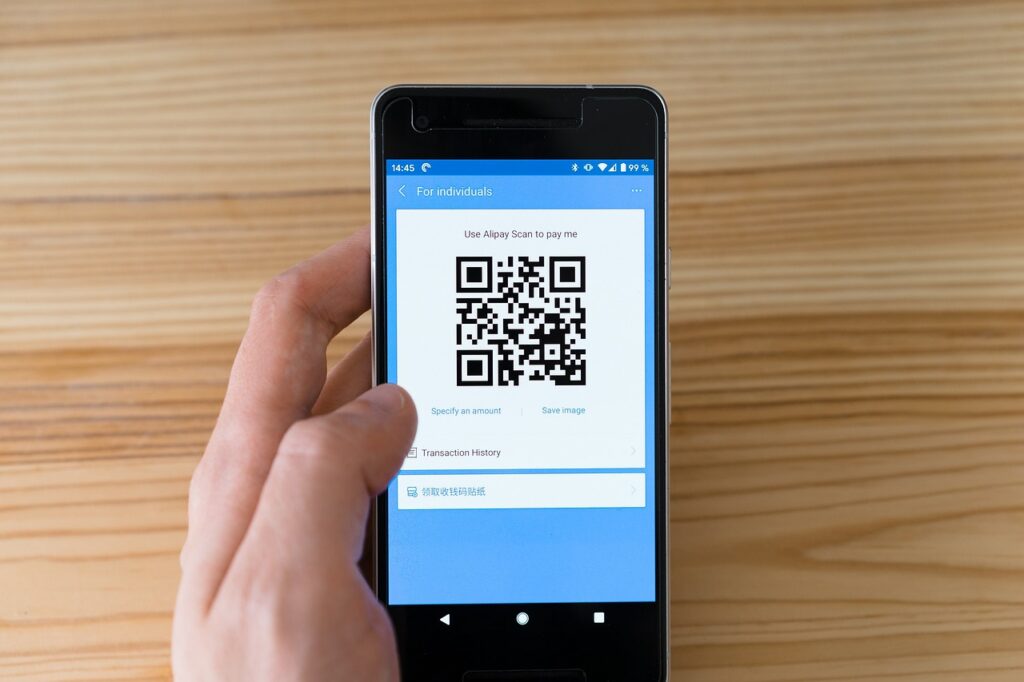

For someone who has just discovered online payment apps, it can be both exciting and intimidating to navigate this new world of digital transactions. Online payment apps – such as PayPal, Google Pay, and Apple Pay – are gaining attention right now because they offer a convenient, fast, and secure way to make payments online and in-store. These apps are changing the way people shop, pay bills, and transfer money to friends and family. With the rise of smartphones and the internet, online payment apps have become an essential tool for anyone who wants to manage their finances efficiently. As more businesses and individuals start to use online payment apps, it’s becoming increasingly important to understand how they work and how to use them safely. Whether you’re a tech-savvy individual or just starting to explore the world of online payments, understanding online payment apps is crucial for navigating the digital economy.
📝 Contents
Defining Online Payment Apps
Online payment apps – also known as digital wallets (a digital container that stores payment information and other personal data) – are applications that allow users to make payments online and in-store using their smartphones or other devices. These apps use near-field communication (NFC) technology – a method of wireless communication that allows devices to exchange data when they are close to each other – to facilitate transactions. Online payment apps provide a secure and convenient way to make payments, eliminating the need to carry cash or physical credit cards.
| Term | Plain-English Meaning |
|---|---|
| Digital Wallet | A digital container that stores payment information and other personal data. |
| NFC Technology | A method of wireless communication that allows devices to exchange data when they are close to each other. |
| Tokenization | A process of replacing sensitive payment information with a unique code, called a token, to enhance security. |
| Two-Factor Authentication | A security process that requires two different authentication methods, such as a password and a fingerprint, to verify a user’s identity. |
| Contactless Payment | A payment method that allows users to make transactions by tapping their device on a compatible payment terminal. |
| Biometric Authentication | A security process that uses unique physical characteristics, such as fingerprints or facial recognition, to verify a user’s identity. |
Why Online Payment Apps Matter
Online payment apps matter because they offer a convenient, fast, and secure way to make payments. For businesses, online payment apps can increase sales by providing customers with a seamless and efficient checkout experience. According to a study, businesses that accept online payments see an average increase of 20% in sales. Additionally, online payment apps can help reduce costs associated with processing cash and credit card transactions. For individuals, online payment apps provide a secure and convenient way to manage their finances, making it easier to track expenses, send money to friends and family, and make online purchases. With the rise of online shopping, online payment apps have become an essential tool for anyone who wants to take advantage of the convenience and flexibility of digital commerce.
Online payment apps also provide a secure way to make transactions, using advanced security measures such as tokenization (a process of replacing sensitive payment information with a unique code, called a token) and two-factor authentication (a security process that requires two different authentication methods, such as a password and a fingerprint, to verify a user’s identity). This provides an additional layer of protection against fraud and identity theft. Furthermore, online payment apps can help reduce the risk of lost or stolen wallets, as all payment information is stored digitally and can be easily accessed and managed through the app.
In real-world terms, online payment apps are making a significant impact on the way people live and work. For example, in China, online payment apps such as WeChat Pay and Alipay have become an integral part of daily life, with millions of users making transactions every day. In the United States, online payment apps such as Apple Pay and Google Pay are becoming increasingly popular, with many businesses and individuals adopting them as a convenient and secure way to make payments. With the continued growth of digital commerce, online payment apps are likely to play an even more important role in the future of payments.
Online Payment App Methods Worth Knowing
1. Setting Up an Online Payment App
Setting up an online payment app is a straightforward process that requires users to download and install the app, create an account, and link a payment method, such as a credit or debit card. To set up an online payment app, users need to provide some basic information, such as their name, email address, and phone number. Once the account is created, users can link a payment method and start making transactions. A common beginner mistake is not verifying the account, which can limit the amount of money that can be transferred. payment method such
- Strengths:
- Convenient and easy to use
- Provides a secure way to make transactions
2. Making a Payment with an Online Payment App
Making a payment with an online payment app is a simple process that requires users to open the app, select the payment method, and confirm the transaction. To make a payment, users need to have a compatible device, such as a smartphone, and a stable internet connection. Once the payment is confirmed, the funds are transferred immediately, and the user receives a confirmation notification. A common beginner mistake is not checking the payment amount and recipient’s information before confirming the transaction.
- Strengths:
- Fast and efficient
- Provides a secure way to make transactions
3. Sending Money to Friends and Family
Sending money to friends and family using an online payment app is a convenient and secure way to transfer funds. To send money, users need to open the app, select the recipient’s name or phone number, enter the amount, and confirm the transaction. The recipient receives a notification and can access the funds immediately. A common beginner mistake is not verifying the recipient’s information before sending the money.
- Strengths:
- Convenient and easy to use
- Provides a secure way to transfer funds
4. Using Online Payment Apps for Online Shopping
Using online payment apps for online shopping is a convenient and secure way to make purchases. To use an online payment app for online shopping, users need to select the app as the payment method at checkout, and confirm the transaction. The funds are transferred immediately, and the user receives a confirmation notification. A common beginner mistake is not checking the payment amount and merchant’s information before confirming the transaction.
- Strengths:
- Fast and efficient
- Provides a secure way to make transactions
5. Managing Expenses with Online Payment Apps
Managing expenses with online payment apps is a convenient and secure way to track spending and stay on top of finances. To manage expenses, users need to link a payment method, such as a credit or debit card, and track transactions through the app. The app provides a detailed breakdown of expenses, making it easy to identify areas for improvement. A common beginner mistake is not regularly reviewing the transaction history.
- Strengths:
- Convenient and easy to use
- Provides a secure way to track expenses
6. Using Biometric Authentication with Online Payment Apps
Using biometric authentication with online payment apps is a secure way to verify identity and authorize transactions. To use biometric authentication, users need to enable the feature in the app settings and register their biometric data, such as fingerprints or facial recognition. The app uses this data to verify the user’s identity and authorize transactions. A common beginner mistake is not regularly updating the biometric data.
- Strengths:
- Provides an additional layer of security
- Convenient and easy to use
7. Troubleshooting Common Issues with Online Payment Apps
Troubleshooting common issues with online payment apps is an essential step in ensuring a smooth user experience. To troubleshoot common issues, users need to check the app’s settings and transaction history, and contact customer support if necessary. Common issues include transaction errors, account lockouts, and payment method linking problems. A common beginner mistake is not regularly checking the app’s settings and transaction history.
- Strengths:
- Convenient and easy to use
- Provides a secure way to resolve issues
| Step | What You Do | Expected Result |
|---|---|---|
| 1. Setting Up an Online Payment App | Download and install the app, create an account, and link a payment method. | A fully functional online payment app account. |
| 2. Making a Payment with an Online Payment App | Open the app, select the payment method, and confirm the transaction. | A successful transaction and confirmation notification. |
| 3. Sending Money to Friends and Family | Open the app, select the recipient’s name or phone number, enter the amount, and confirm the transaction. | A successful transaction and confirmation notification. |
| 4. Using Online Payment Apps for Online Shopping | Select the app as the payment method at checkout, and confirm the transaction. | A successful transaction and confirmation notification. |
| 5. Managing Expenses with Online Payment Apps | Link a payment method and track transactions through the app. | A detailed breakdown of expenses and improved financial management. |
| 6. Using Biometric Authentication with Online Payment Apps | Enable the feature in the app settings and register biometric data. | An additional layer of security and convenience. |
| 7. Troubleshooting Common Issues with Online Payment Apps | Check the app’s settings and transaction history, and contact customer support if necessary. | Resolution of common issues and improved user experience. |
Frequently Asked Questions
1. Are Online Payment Apps Secure?
Online payment apps are designed to be secure, using advanced security measures such as tokenization and two-factor authentication to protect user data. However, as with any digital transaction, there is always a risk of fraud or identity theft. To minimize this risk, users should always use strong passwords, enable two-factor authentication, and regularly review their transaction history.
2. Can I Use Online Payment Apps for International Transactions?
Yes, many online payment apps support international transactions, allowing users to send and receive money across borders. However, fees and exchange rates may apply, and users should always check the app’s terms and conditions before making an international transaction.
3. How Do I Link a Payment Method to an Online Payment App?
To link a payment method to an online payment app, users need to open the app, go to the settings or wallet section, and follow the instructions to add a payment method, such as a credit or debit card. The app will then verify the payment method and link it to the user’s account.
4. Can I Use Online Payment Apps for In-Store Purchases?
Yes, many online payment apps support in-store purchases, using near-field communication (NFC) technology to facilitate transactions. To use an online payment app for in-store purchases, users need to have a compatible device and ensure that the app is enabled for in-store transactions.
5. What Happens If I Lose My Device or It Is Stolen?
If a user loses their device or it is stolen, they should immediately contact the app’s customer support and report the incident. The app will then take steps to secure the account and prevent any unauthorized transactions. Users should also enable two-factor authentication and regularly review their transaction history to detect any suspicious activity.
Worth Remembering
Online payment apps are revolutionizing the way people make transactions, offering convenience, speed, and security. By understanding how online payment apps work and how to use them safely and efficiently, users can take advantage of the benefits they offer and make the most of digital commerce. With the continued growth of online payments, it’s essential to stay informed and adapt to new technologies and trends. By doing so, users can ensure a secure and seamless payment experience, and make the most of the opportunities that online payment apps provide.
Online payment apps are constantly evolving, with new features and technologies being developed to improve the user experience. As the world of online payments continues to grow and expand, it’s essential to stay up-to-date with the latest developments and trends. By doing so, users can ensure they are getting the most out of their online payment apps and making the most of the benefits they offer.
In the future, online payment apps are likely to play an even more important role in the way people make transactions. With the rise of digital commerce and the increasing demand for convenient and secure payment methods, online payment apps are likely to become an essential tool for anyone who wants to navigate the digital economy. By understanding how online payment apps work and how to use them safely and efficiently, users can ensure they are well-equipped to take advantage of the opportunities that online payments provide.