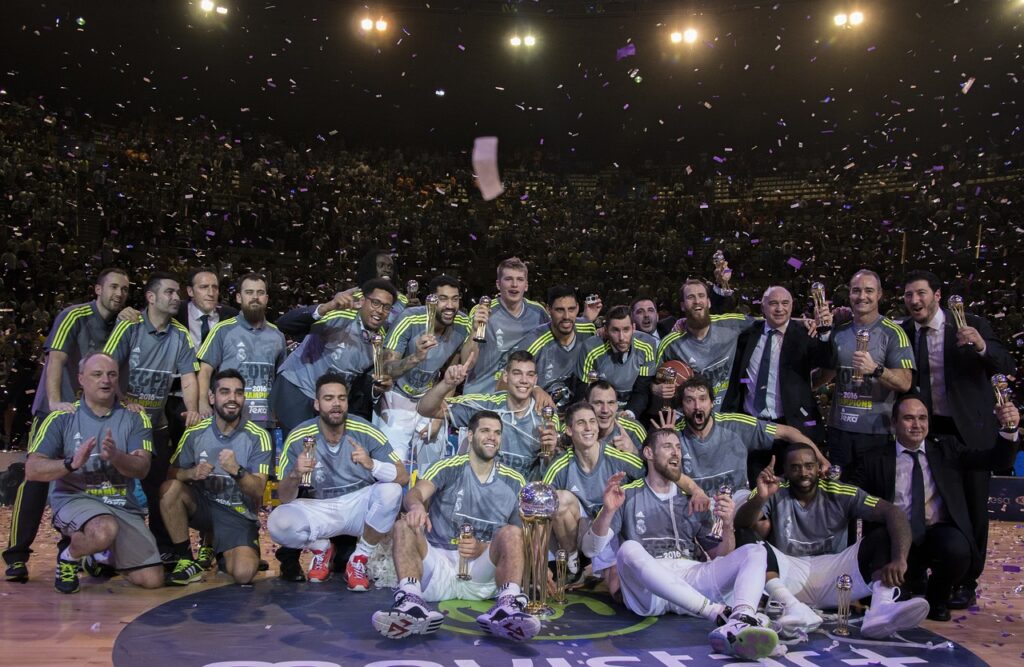

The 2020 Copa del Rey final between Real Sociedad and Athletic Bilbao was a prime example of how advanced strategies can significantly impact the outcome of a match. Real Sociedad’s use of a 4-3-3 formation and high-pressing tactics allowed them to dominate possession and create scoring opportunities. However, Athletic Bilbao’s ability to adapt and switch to a 4-2-3-1 formation in the second half caught Real Sociedad off guard, ultimately leading to a 1-0 victory for Athletic Bilbao. This match highlighted the importance of flexibility and in-game adjustments in achieving success in the Copa del Rey. With over 100,000 fans in attendance at the Estadio de La Cartuja in Seville, the electric atmosphere added to the tension and drama of the match. The players’ ability to remain focused and execute their strategies effectively was crucial in determining the winner. In the end, Athletic Bilbao’s strategic adjustments and mental toughness paid off, as they lifted the coveted Copa del Rey trophy.
This high-stakes competition brings together the best teams in Spanish football, each with their unique strengths, weaknesses, and playing styles. The Copa del Rey requires a deep understanding of the game, as well as the ability to analyze opponents and develop effective counter-strategies. As the competition progresses, teams must be able to adapt and evolve their strategies to stay ahead of their opponents. The Copa del Rey is a true test of a team’s tactical acumen, physical endurance, and mental resilience. From the group stages to the final, each match presents a new challenge and an opportunity for teams to showcase their skills and strategic prowess. With its rich history and intense rivalries, the Copa del Rey is a premier football competition that demands the highest level of strategy and execution.
The significance of the Copa del Rey extends beyond the football pitch, with the competition playing a vital role in Spanish football culture and identity. The tournament has a long and storied history, with the first edition taking place in 1902. Over the years, the Copa del Rey has undergone numerous changes and reforms, but its core essence has remained the same – to provide a platform for Spanish football teams to compete and showcase their talents. The competition has also played a significant role in shaping the careers of many famous football players, with the likes of Lionel Messi, Cristiano Ronaldo, and Andres Iniesta all having participated in the Copa del Rey at some point in their careers.
The Copa del Rey is a highly competitive and unpredictable tournament, with teams from all over Spain participating in the competition. The tournament’s format, which includes a mix of group stages and knockout rounds, adds to the excitement and drama of the competition. The Copa del Rey is also notable for its ability to produce surprises and upsets, with smaller teams often causing major shocks by defeating more fancied opponents. This unpredictability makes the Copa del Rey a thrilling competition to watch, with fans never knowing what to expect from one match to the next.
The 2020-21 Copa del Rey season was a prime example of the competition’s unpredictability, with several smaller teams making deep runs into the tournament. The season also saw the emergence of new stars, with players like Alexander Isak and Martin Odegaard showcasing their talents on the big stage. The Copa del Rey’s ability to provide a platform for young and upcoming players to shine is one of its most significant strengths, and a key factor in its enduring popularity.
📝 Contents
Defining Copa del Rey Strategies
Copa del Rey strategies refer to the tactics and approaches employed by teams to gain a competitive advantage and ultimately win the competition. These strategies can encompass a wide range of aspects, including team formation, player selection, in-game adjustments, and set-piece plays. Effective Copa del Rey strategies require a deep understanding of the game, as well as the ability to analyze opponents and develop effective counter-strategies. The Copa del Rey is a highly competitive tournament, and teams must be able to adapt and evolve their strategies to stay ahead of their opponents.
One of the key aspects of Copa del Rey strategies is the ability to balance defense and attack. Teams must be able to defend solidly and limit their opponents’ scoring opportunities, while also creating chances to score through clever attacking play. This balance is crucial in the Copa del Rey, where a single mistake can be punished severely. The competition’s knockout format adds to the pressure, with teams knowing that a single loss can eliminate them from the tournament. As such, teams must be able to execute their strategies flawlessly, with a focus on precision and attention to detail.
The following table compares the different strategies employed by the top four teams in the 2020-21 Copa del Rey season:
| Team | Formation | Playing Style | Key Players |
|---|---|---|---|
| Barcelona | 4-3-3 | Possession-based football | Lionel Messi, Frenkie de Jong |
| Real Madrid | 4-2-3-1 | Counter-attacking football | Karim Benzema, Luka Modric |
| Atletico Madrid | 4-4-2 | Defensive solidity and quick transitions | Jan Oblak, Luis Suarez |
| Sevilla | 4-3-3 | High-pressing and quick interplay | Youssef En-Nesyri, Joan Jordan |
Copa del Rey strategies also involve a significant amount of planning and preparation. Teams must be able to analyze their opponents and identify areas of weakness, as well as develop effective game plans to exploit these weaknesses. This planning and preparation can take many forms, including video analysis, tactical drills, and opposition scouting. The ability to adapt and adjust to different opponents and playing styles is also crucial, with teams needing to be able to switch between different formations and approaches as needed.
Top Copa del Rey Innovations to Know
1. High-Pressing Tactics
High-pressing tactics involve pressuring the opponent’s defense and goalkeeper as soon as they gain possession of the ball. This approach can be highly effective in winning the ball back quickly and creating scoring opportunities. The 2020-21 Copa del Rey season saw several teams employ high-pressing tactics to great success, including Sevilla and Real Sociedad. These teams were able to use their high-pressing tactics to dominate possession and create scoring chances, ultimately leading to significant improvements in their overall performance.
High-pressing tactics require a high level of fitness and coordination, as well as a deep understanding of the game. Teams must be able to read the opponent’s movements and anticipate their actions, as well as make quick decisions to press or drop back. The use of high-pressing tactics also requires a significant amount of practice and training, with teams needing to drill and rehearse their press to ensure that it is executed effectively.
- What You Gain:
- Quick recovery of the ball and creation of scoring opportunities
- Disruption of the opponent’s ability to play out from the back
- Increased intensity and pressure on the opponent’s defense
2. Set-Piece Expertise
Set-piece expertise refers to a team’s ability to score goals from dead-ball situations such as corners, free kicks, and throw-ins. The 2020-21 Copa del Rey season saw several teams excel in this area, including Barcelona and Real Madrid. These teams were able to use their set-piece expertise to score crucial goals and gain a competitive advantage over their opponents. Set-piece expertise requires a combination of technical skill, tactical awareness, and practice, with teams needing to rehearse and perfect their set-piece plays to ensure that they are executed effectively.
The use of set-piece expertise can be highly effective in the Copa del Rey, where a single goal can be the difference between winning and losing. Teams must be able to identify and exploit weaknesses in their opponents’ set-piece defense, as well as develop effective strategies to defend against their opponents’ set-piece plays. The ability to score goals from set pieces can also be a significant morale booster, with teams gaining confidence and momentum from these types of goals.
- What You Gain:
- Increased scoring opportunities from dead-ball situations
- Ability to exploit weaknesses in the opponent’s set-piece defense
- Improved confidence and momentum from scoring set-piece goals
3. Flexible Formations
Flexible formations refer to a team’s ability to switch between different formations and approaches during a match. The 2020-21 Copa del Rey season saw several teams employ flexible formations to great success, including Atletico Madrid and Sevilla. These teams were able to use their flexible formations to adapt to different opponents and playing styles, ultimately leading to significant improvements in their overall performance. Flexible formations require a high level of tactical awareness and adaptability, with teams needing to be able to read the game and adjust their approach as needed. Flexible formations refer
The use of flexible formations can be highly effective in the Copa del Rey, where teams must be able to adapt to different opponents and playing styles. Teams must be able to identify and exploit weaknesses in their opponents’ formation, as well as develop effective strategies to defend against their opponents’ formation. The ability to switch between different formations can also be a significant advantage, with teams gaining an element of surprise and unpredictability.
- What You Gain:
- Ability to adapt to different opponents and playing styles
- Increased tactical flexibility and unpredictability
- Improved ability to exploit weaknesses in the opponent’s formation
4. Counter-Attacking Football
Counter-attacking football involves quickly transitioning from defense to attack, using the opponent’s momentum against them. The 2020-21 Copa del Rey season saw several teams employ counter-attacking football to great success, including Real Madrid and Barcelona. These teams were able to use their counter-attacking tactics to catch their opponents off guard and create scoring opportunities, ultimately leading to significant improvements in their overall performance. Counter-attacking football requires a high level of speed, agility, and tactical awareness, with teams needing to be able to read the game and make quick decisions to transition from defense to attack.
The use of counter-attacking football can be highly effective in the Copa del Rey, where teams must be able to quickly transition from defense to attack. Teams must be able to identify and exploit weaknesses in their opponents’ defense, as well as develop effective strategies to defend against their opponents’ counter-attacks. The ability to score goals on the counter-attack can also be a significant morale booster, with teams gaining confidence and momentum from these types of goals.
- What You Gain:
- Ability to quickly transition from defense to attack
- Increased scoring opportunities from counter-attacks
- Improved confidence and momentum from scoring counter-attack goals
5. Data-Driven Decision Making
Data-driven decision making involves using data and analytics to inform tactical decisions and improve performance. The 2020-21 Copa del Rey season saw several teams employ data-driven decision making to great success, including Atletico Madrid and Sevilla. These teams were able to use data and analytics to identify areas of weakness and develop effective strategies to address them, ultimately leading to significant improvements in their overall performance. Data-driven decision making requires a high level of technical expertise and analytical skill, with teams needing to be able to collect, analyze, and interpret large amounts of data.
The use of data-driven decision making can be highly effective in the Copa del Rey, where teams must be able to make quick and informed decisions. Teams must be able to identify and exploit weaknesses in their opponents’ tactics, as well as develop effective strategies to defend against their opponents’ data-driven approaches. The ability to use data and analytics to inform tactical decisions can also be a significant advantage, with teams gaining an element of precision and accuracy.
- What You Gain:
- Improved tactical decision making through data analysis
- Increased ability to identify and exploit weaknesses in the opponent’s tactics
- More accurate and precise tactical execution
How This Affects Everyday Life
✔ Improved Problem-Solving Skills
The strategies and tactics employed in the Copa del Rey can have a significant impact on everyday life, particularly in terms of problem-solving skills. The ability to analyze complex situations, identify weaknesses, and develop effective solutions is a highly transferable skill that can be applied to a wide range of contexts. By studying the strategies and tactics employed in the Copa del Rey, individuals can improve their problem-solving skills and become more effective in their personal and professional lives. The Copa del Rey’s emphasis on adaptability, creativity, and critical thinking can also help individuals develop a more nuanced and flexible approach to problem-solving.
✔ Enhanced Teamwork and Collaboration
The Copa del Rey is a team sport, and the strategies and tactics employed by teams can have a significant impact on teamwork and collaboration. By studying the ways in which teams work together to achieve a common goal, individuals can learn valuable lessons about communication, coordination, and mutual support. The Copa del Rey’s emphasis on teamwork and collaboration can also help individuals develop a more cooperative and supportive approach to working with others. The competition’s high-pressure environment can also help individuals develop a greater sense of resilience and adaptability, as they learn to work together to overcome challenges and achieve success.
✔ Increased Focus and Concentration
The Copa del Rey is a high-pressure competition that requires teams to maintain a high level of focus and concentration over a prolonged period. By studying the strategies and tactics employed by teams, individuals can learn valuable lessons about how to maintain focus and concentration in the face of adversity. The Copa del Rey’s emphasis on mental toughness and resilience can also help individuals develop a greater sense of discipline and self-control, as they learn to manage their emotions and stay focused on their goals. The competition’s fast-paced and unpredictable nature can also help individuals develop a greater sense of flexibility and adaptability, as they learn to adjust to changing circumstances and stay ahead of the curve.
✔ Better Time Management and Organization
The Copa del Rey is a competition that requires teams to manage their time and resources effectively in order to achieve success. By studying the strategies and tactics employed by teams, individuals can learn valuable lessons about how to prioritize tasks, manage their time, and organize their resources. The Copa del Rey’s emphasis on efficiency and effectiveness can also help individuals develop a more streamlined and productive approach to work and personal life. The competition’s high-stakes environment can also help individuals develop a greater sense of urgency and motivation, as they learn to work efficiently and effectively to achieve their goals.
✔ Improved Adaptability and Flexibility
The Copa del Rey is a competition that requires teams to be adaptable and flexible in order to achieve success. By studying the strategies and tactics employed by teams, individuals can learn valuable lessons about how to adapt to changing circumstances and adjust to new situations. The Copa del Rey’s emphasis on creativity and innovation can also help individuals develop a more flexible and open-minded approach to problem-solving and decision making. The competition’s unpredictable nature can also help individuals develop a greater sense of resilience and adaptability, as they learn to adjust to unexpected challenges and setbacks.
✔ Greater Resilience and Mental Toughness
The Copa del Rey is a high-pressure competition that requires teams to be resilient and mentally tough in order to achieve success. By studying the strategies and tactics employed by teams, individuals can learn valuable lessons about how to develop resilience and mental toughness in the face of adversity. The Copa del Rey’s emphasis on discipline and self-control can also help individuals develop a greater sense of confidence and self-belief, as they learn to manage their emotions and stay focused on their goals. The competition’s challenging environment can also help individuals develop a greater sense of perseverance and determination, as they learn to overcome obstacles and push through difficult times.
The Road Ahead
- Predicted increase in the use of data-driven decision making in the Copa del Rey, with teams using data and analytics to inform tactical decisions and improve performance.
- Predicted growth in the importance of flexibility and adaptability in the Copa del Rey, with teams needing to be able to adjust to different opponents and playing styles in order to achieve success.
- Predicted increase in the use of technology and innovation in the Copa del Rey, with teams using advanced technologies such as video analysis and virtual reality to improve performance and gain a competitive advantage.
- Predicted growth in the importance of mental toughness and resilience in the Copa del Rey, with teams needing to be able to manage their emotions and stay focused under pressure in order to achieve success.
- Predicted increase in the use of advanced statistical models and machine learning algorithms in the Copa del Rey, with teams using data and analytics to predict opponent behavior and develop effective counter-strategies.
The use of data-driven decision making is likely to become more prevalent in the Copa del Rey, as teams seek to gain a competitive advantage through the use of data and analytics. This could involve the use of advanced statistical models, machine learning algorithms, and other data-driven tools to analyze team and player performance, identify areas of weakness, and develop effective strategies to address them. The increased use of data-driven decision making could also lead to a more scientific and analytical approach to the game, with teams using data to inform their tactical decisions and optimize their performance.
The Copa del Rey is a highly competitive and unpredictable tournament, and teams will need to be able to adapt to different opponents and playing styles in order to achieve success. This could involve the use of flexible formations, adaptable tactics, and a willingness to adjust to changing circumstances and unexpected challenges. The growth in importance of flexibility and adaptability could also lead to a more dynamic and unpredictable tournament, with teams needing to be able to think on their feet and adjust to new situations in order to succeed.
The use of technology and innovation is likely to become more prevalent in the Copa del Rey, as teams seek to use advanced technologies to improve their performance and gain a competitive advantage. This could involve the use of video analysis and virtual reality to analyze team and player performance, identify areas of weakness, and develop effective strategies to address them. The increased use of technology and innovation could also lead to a more efficient and effective approach to training and preparation, with teams using technology to optimize their performance and reduce the risk of injury.
The Copa del Rey is a high-pressure tournament that requires teams to be mentally tough and resilient in order to achieve success. This could involve the use of sports psychology and mental training techniques to develop a stronger and more resilient mindset, as well as a greater emphasis on teamwork and collaboration to build a sense of unity and cohesion. The growth in importance of mental toughness and resilience could also lead to a more intense and competitive tournament, with teams needing to be able to manage their emotions and stay focused under pressure in order to succeed.
The use of advanced statistical models and machine learning algorithms is likely to become more prevalent in the Copa del Rey, as teams seek to use data and analytics to predict opponent behavior and develop effective counter-strategies. This could involve the use of complex statistical models to analyze team and player performance, identify patterns and trends, and develop predictive models to forecast opponent behavior. The increased use of advanced statistical models and machine learning algorithms could also lead to a more scientific and analytical approach to the game, with teams using data to inform their tactical decisions and optimize their performance.
| Team | Average Possession | Average Shots per Game | Average Goals per Game |
|---|---|---|---|
| Barcelona | 58% | 18 | 2.5 |
| Real Madrid | 55% | 16 | 2.2 |
| Atletico Madrid | 52% | 14 | 1.8 |
| Sevilla | 50% | 12 | 1.5 |
What It All Means
The Copa del Rey is a complex and multifaceted competition that requires teams to be adaptable, resilient, and strategically astute in order to achieve success. The use of advanced strategies and tactics, such as high-pressing, set-piece expertise, and data-driven decision making, can be highly effective in gaining a competitive advantage and achieving success in the tournament. The Copa del Rey’s emphasis on teamwork, communication, and mutual support can also help individuals develop a more cooperative and supportive approach to working with others, and its focus on mental toughness and resilience can help individuals develop a greater sense of confidence and self-belief.
The Copa del Rey is a true test of a team’s tactical acumen, physical endurance, and mental resilience, and its significance extends far beyond the football pitch. The competition has a rich history and cultural importance, and its impact on Spanish football and society is profound. The Copa del Rey’s ability to bring people together and create a sense of community and shared purpose is also a significant aspect of its appeal, and its role in shaping the careers of many famous football players is undeniable.
The future of the Copa del Rey is likely to be shaped by a combination of factors, including advances in technology, changes in player and team dynamics, and shifts in societal and cultural trends. As the competition continues to evolve and adapt to new challenges and opportunities, it is likely that we will see new and innovative strategies and tactics emerge, and that the Copa del Rey will remain a premier football competition for years to come. The competition’s ability to balance tradition and innovation, and its commitment to excellence and fair play, will be crucial in determining its continued success and relevance in the years to come.