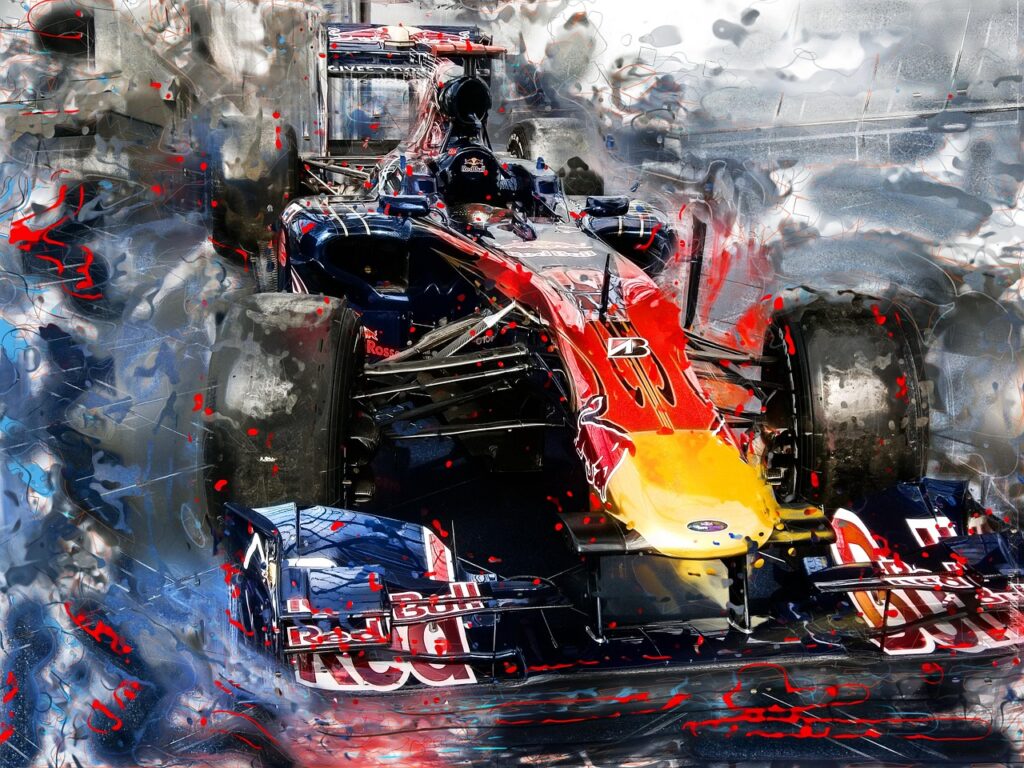

Will the 2026 Formula 1 season live up to its promise of more competitive racing and advanced technology? Can the new regulations successfully reduce costs and increase fan engagement? As the sport prepares for its next evolutionary step, these are the questions on everyone’s mind. The upcoming season is expected to introduce a multitude of changes, ranging from engine regulations to aerodynamic design. With these updates, the sport aims to enhance its appeal to a wider audience while maintaining its high-performance standards. The key to success lies in striking a balance between innovation and cost control. As the world of Formula 1 stands on the cusp of this significant overhaul, anticipation builds among fans, teams, and drivers alike.
The path to the 2026 season has been marked by extensive discussions and debates among stakeholders, focusing on how to make the sport more sustainable, competitive, and exciting for spectators. The introduction of new engine regulations is a significant step in this direction, aiming to reduce environmental impact while maintaining the high-performance levels that Formula 1 is known for. Alongside these technical changes, there is a push for better safety measures, ensuring that drivers are protected without compromising the thrill of the race. As the sport looks to the future, it must navigate the complex interplay between technology, competition, and fan appeal.
📝 What You'll Learn
A Closer Look at Formula 1
Formula 1, often regarded as the pinnacle of motorsport, represents the perfect blend of human skill, technological innovation, and strategy. The sport has a rich history, with its roots tracing back to the early 20th century. Over the years, it has evolved significantly, with advancements in technology playing a crucial role in its development. The 2026 season marks a new chapter in this evolution, with a focus on sustainability, cost efficiency, and enhanced competition. Understanding the context of these changes is essential to appreciating the potential impact on the sport.
The upcoming season’s regulations are designed to encourage closer racing, improve safety, and reduce the financial burden on teams. This is a challenging balancing act, as the sport seeks to maintain its position at the forefront of motorsport technology while becoming more accessible and appealing to a broader audience. The introduction of new engine regulations, for example, aims to achieve a better balance between performance and environmental sustainability. This shift reflects a broader trend in the automotive industry, where the focus is increasingly on hybrid and electric technologies.
| Season | Engine Regulation | Fuel Type | Power Output |
|---|---|---|---|
| 2022 | 1.6L V6 Turbo Hybrid | High-octane petrol | 1,050 HP |
| 2026 | 100% Sustainable Fuel | Sustainable fuel | Up to 1,000 HP |
| Future | Full Electric | Electric | Variable |
Key Formula 1 Advancements
1. New Engine Regulations
The introduction of 100% sustainable fuel is a landmark change for the 2026 season, reflecting a commitment to environmental sustainability. This shift is expected to significantly reduce the carbon footprint of the sport, making it more appealing to environmentally conscious fans and sponsors. The new engine regulations also aim to increase efficiency and reduce costs, by simplifying the power unit design and limiting the use of certain materials.
The impact of these regulations will be multifaceted, influencing not just the environmental sustainability of the sport but also the competitive landscape. Teams will need to adapt their strategies and technologies to comply with the new rules, which could lead to a more level playing field. Furthermore, the focus on sustainable fuels could pave the way for the wider adoption of such technologies in the automotive industry, contributing to a global reduction in greenhouse gas emissions. these regulations will
- Advantages:
- Reduced carbon footprint, enhancing the sport’s environmental sustainability.
- Potential for cost savings through simplified engine designs and reduced material usage.
- Increased appeal to environmentally conscious audiences and sponsors.
2. Advanced Aerodynamic Design
The 2026 season will also see the introduction of advanced aerodynamic designs, aimed at improving the racing experience by allowing cars to follow each other more closely. This is achieved through modifications to the car’s bodywork, including the front wing, rear wing, and floor. These changes are designed to reduce the aerodynamic dirty air that hinders the performance of following cars, thereby enhancing the potential for overtaking and closer racing.
The new aerodynamic regulations represent a significant technological challenge for the teams, requiring innovative solutions to achieve the desired performance improvements. The development of these advanced designs will not only impact the on-track action but could also contribute to advancements in aerodynamics applicable to the broader automotive and aerospace industries. As such, the technological innovations in Formula 1 could have far-reaching implications beyond the sport itself.
- Advantages:
- Improved potential for overtaking, enhancing the spectacle of the race.
- Reduced aerodynamic dirty air, allowing cars to follow each other more closely.
- Potential for technological spin-offs in the automotive and aerospace sectors.
3. Enhanced Safety Features
Safety has always been a paramount concern in Formula 1, with the sport continually evolving to protect its drivers. The 2026 season will introduce enhanced safety features, including advanced helmet designs, improved crash structures, and better protective gear for drivers. These developments reflect the ongoing commitment to minimizing the risks associated with high-speed racing.
The introduction of these safety enhancements is the result of extensive research and collaboration between teams, regulators, and safety experts. The advancements in safety technology not only benefit Formula 1 but can also be applied to other forms of motorsport and even the broader automotive industry, contributing to a reduction in accidents and injuries on the road.
- Advantages:
- Reduced risk of injury to drivers in the event of a crash.
- Potential for the application of safety technologies in other motorsport disciplines and the automotive sector.
- Enhanced peace of mind for drivers, allowing them to focus on competition.
4. Cost Control Measures
One of the significant challenges facing Formula 1 is the high cost of participation, which can be a barrier to entry for new teams and a financial strain on existing ones. The 2026 season will see the introduction of cost control measures, including budget caps and restrictions on certain development activities. These measures aim to reduce the financial burden on teams, promoting a more sustainable and competitive environment.
The implementation of cost control measures is expected to have a profound impact on the sport, potentially leading to a more level playing field where success is determined by strategy, innovation, and driver skill rather than purely by budget. This could attract new teams and sponsors, further enriching the sport. Moreover, the emphasis on cost efficiency could drive innovations in manufacturing and design, beneficial for the broader automotive industry.
- Advantages:
- Promotion of a more level playing field, where success is not solely dependent on budget.
- Potential for increased cost efficiency, driving innovation in design and manufacturing.
- Enhanced attractiveness of the sport to new teams and sponsors.
5. Digitalization and Fan Engagement
The 2026 season will also witness a significant push towards digitalization and enhanced fan engagement. This includes the development of more immersive viewing experiences through advanced broadcasting technologies, improved social media integration, and the creation of digital platforms for fan interaction. The aim is to make the sport more accessible and appealing to a wider and younger audience.
The digital transformation of Formula 1 is a critical aspect of its future success, enabling the sport to reach new fans and provide existing ones with a more engaging and personalized experience. This shift towards digitalization can also facilitate the sport’s growth into new markets, further expanding its global reach. Moreover, the use of data analytics and digital tools can enhance team performance, providing insights that can inform strategy and improve competitiveness.
- Advantages:
- Enhanced fan engagement through more immersive viewing experiences and interactive platforms.
- Potential for expansion into new markets, increasing the sport’s global reach.
- Improved team performance through the use of data analytics and digital tools.
How This Affects Everyday Life
✔ Environmental Sustainability Environmental Sustainability
The shift towards sustainable fuels and reduced carbon emissions in Formula 1 reflects a broader societal movement towards environmental sustainability. As the automotive industry follows suit, the potential for a significant reduction in greenhouse gas emissions from transportation increases, contributing to global efforts to combat climate change. This alignment of the sport with societal values can enhance its appeal and relevance to a wider audience.
✔ Technological Innovation
The technological advancements in Formula 1, particularly in areas like aerodynamics and engine design, can have spin-off benefits for the broader automotive and aerospace industries. These innovations can lead to the development of more efficient, safer, and environmentally friendly vehicles for everyday use, improving the quality of life for consumers and contributing to sustainable mobility solutions.
✔ Economic Impact
The cost control measures and emphasis on efficiency in Formula 1 can have economic benefits, not just for the teams but also for the sport as a whole. By reducing the financial barriers to entry and promoting a more sustainable business model, Formula 1 can attract new investment, create jobs, and stimulate local economies where races are held, contributing to economic growth and development.
✔ Social Engagement
The digitalization of Formula 1 and the enhanced focus on fan engagement can lead to a more connected and inclusive community of fans. Through social media and digital platforms, fans can engage more closely with the sport, share their experiences, and connect with other enthusiasts worldwide, fostering a sense of belonging and shared passion.
✔ Educational Opportunities
The technological and innovative aspects of Formula 1 can serve as a powerful educational tool, inspiring interest in STEM subjects (science, technology, engineering, and mathematics) among young people. The sport’s emphasis on innovation, problem-solving, and teamwork can provide valuable lessons for students, potentially influencing career choices and contributing to the development of the next generation of engineers, scientists, and innovators.
✔ Global Reach and Cultural Exchange
Finally, the global nature of Formula 1, with its races in diverse locations around the world, facilitates cultural exchange and understanding. The sport brings people together, transcending geographical and cultural boundaries, and provides a common interest that can bridge societal divides, promoting unity and cooperation among its global fan base.
| Team | Engine | Chassis | Driver Lineup |
|---|---|---|---|
| Mercedes | Mercedes | Mercedes | Hamilton, Russell |
| Ferrari | Ferrari | Ferrari | Leclerc, Sainz |
| Red Bull | Red Bull Powertrains | Red Bull | Verstappen, Perez |
What Researchers Are Working On
- Predictions for the future of Formula 1 engines, including the potential adoption of full electric power units.
- The integration of advanced materials and manufacturing techniques in car design.
- Developments in safety technology, including advanced protective gear and crash structures.
- The impact of digitalization on fan engagement and the sport’s global reach.
- The potential for Formula 1 to serve as a platform for the development and demonstration of sustainable mobility solutions.
This shift would not only align the sport with global efforts to reduce carbon emissions but also drive innovation in electric vehicle technology, potentially accelerating its adoption in mainstream automotive markets. Researchers are exploring how electric powertrains can be optimized for high-performance applications, including the development of advanced battery technologies and power management systems.
The use of lightweight, high-strength materials such as carbon fiber and advanced composites can significantly reduce the weight of Formula 1 cars, improving their power-to-weight ratio and overall performance. Researchers are working on new manufacturing techniques, such as 3D printing, to create complex geometries and structures that cannot be produced with traditional methods, further enhancing the efficiency and sustainability of these materials.
Safety is an ongoing concern in Formula 1, with researchers continually seeking ways to reduce the risk of injury to drivers. The development of advanced protective gear, such as improved helmets and suits, and the design of more effective crash structures are key areas of focus. These advancements can also have applications in other forms of motorsport and even in the development of safer road vehicles.
As Formula 1 embraces digital technologies, researchers are studying how these platforms can enhance the fan experience, providing more immersive and interactive ways to engage with the sport. This includes the use of virtual and augmented reality, social media integration, and data analytics to offer personalized experiences and insights into the sport.
Given its global reach and technological prowess, Formula 1 can play a significant role in promoting sustainable mobility. Researchers are exploring how the sport can be used to demonstrate and accelerate the development of environmentally friendly transportation technologies, including electric and hybrid vehicles, and to raise awareness about the importance of sustainable practices in the automotive sector.
Key Takeaways
The 2026 Formula 1 season is poised to be a landmark moment in the sport’s history, with significant changes aimed at enhancing competition, sustainability, and fan engagement. The introduction of new engine regulations, advanced aerodynamic designs, and enhanced safety features are just a few of the developments that will shape the future of the sport. As Formula 1 continues to evolve, it remains at the forefront of technological innovation and entertainment, offering a unique blend of human skill, strategy, and technological prowess that captivates audiences worldwide.
The impact of these changes will be felt not just within the sport itself but also in the broader automotive and aerospace industries, as well as in societal and environmental contexts. The commitment to sustainability, cost efficiency, and innovation underscores Formula 1’s role as a leader in the motorsport world and a symbol of excellence in engineering and human performance.
Ultimately, the future of Formula 1 is intertwined with the evolution of technology, societal values, and global challenges, making it a fascinating case study of how a sport can adapt, innovate, and thrive in a rapidly changing world. As the 2026 season approaches, anticipation builds among fans, teams, and drivers, all eager to see how these changes will unfold and what the future holds for this pinnacle of motorsport.