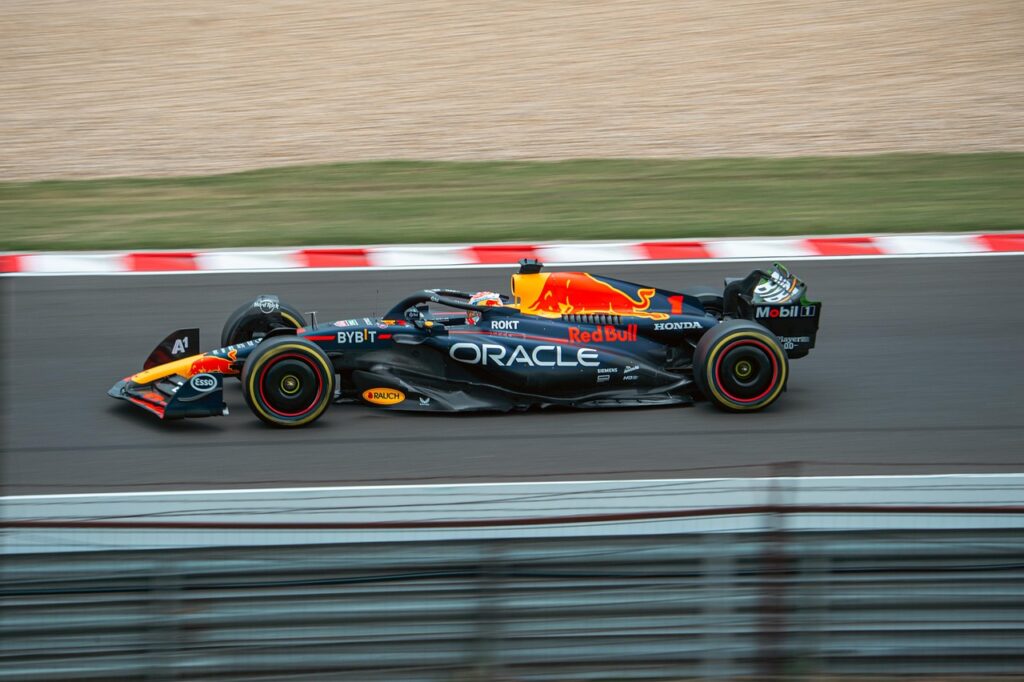

The world of Formula 1 is abuzz with excitement as the 2026 season approaches, promising to bring about a new era of racing with significant updates to the sport. One of the most anticipated changes is the introduction of new engine regulations, aimed at reducing costs and increasing efficiency. For instance, the Mercedes-AMG Petronas F1 Team has already begun testing their new power unit, which is expected to provide a significant boost in performance. With over 100,000 hours of development, the new engine is set to be a big deal. Meanwhile, Ferrari is focusing on improving their car’s aerodynamics, having invested heavily in their wind tunnel facilities in Maranello. As the teams prepare for the new season, fans are eagerly awaiting the first race, scheduled to take place in Bahrain on March 2, 2026. With 23 races lined up, including the highly anticipated return of the Las Vegas Grand Prix, the 2026 season is shaping up to be one of the most exciting in recent history.
📝 Contents
What Is Formula 1?
Formula 1, also known as F1, is the highest class of single-seater auto racing sanctioned by the Fédération Internationale de l’Automobile (FIA). The sport has a rich history, dating back to the first World Drivers’ Championship in 1950, and has since become a global phenomenon, with a massive following and a presence in over 180 countries. The championship consists of a series of races, known as Grands Prix, which take place on purpose-built circuits and public roads. Each team competes with two drivers, and the team with the most points at the end of the season is crowned the World Constructors’ Champion. The current champions, Red Bull Racing, have been dominant in recent years, but the new regulations are expected to shake up the order and provide more competitive racing.
The sport is not just about speed; it’s also about strategy, technology, and innovation. Teams invest heavily in research and development, pushing the boundaries of what is possible with their cars. The current crop of drivers, including Max Verstappen, Lewis Hamilton, and Charles Leclerc, are some of the most talented and competitive in the history of the sport. With the introduction of new regulations, the 2026 season is expected to be one of the most competitive in years, with several teams having a realistic chance of winning the championship.
| Team | Engine Supplier | Drivers |
|---|---|---|
| Mercedes-AMG Petronas F1 Team | Mercedes | Lewis Hamilton, George Russell |
| Scuderia Ferrari | Ferrari | Charles Leclerc, Carlos Sainz Jr. |
| Red Bull Racing | Red Bull Powertrains | Max Verstappen, Sergio Pérez |
| McLaren F1 Team | Mercedes | Lando Norris, Oscar Piastri |
Leading Formula 1 Solutions
1. Advanced Aerodynamics
The pursuit of aerodynamic excellence is a key aspect of Formula 1. Teams invest heavily in wind tunnel testing and computational fluid dynamics (CFD) to optimize the performance of their cars. For example, the McLaren F1 Team has developed a sophisticated system for analyzing and improving the aerodynamics of their car, which has resulted in significant gains in downforce and drag reduction. The team’s aerodynamicists use advanced software and hardware to simulate and test different configurations, allowing them to make data-driven decisions about their car’s design. Teams invest heavily
The benefits of advanced aerodynamics are numerous, including increased cornering speed, improved braking performance, and enhanced overall handling. Teams that have made significant investments in this area, such as Red Bull Racing and Mercedes-AMG Petronas F1 Team, have seen a noticeable improvement in their competitiveness. As the sport continues to evolve, the importance of advanced aerodynamics will only continue to grow.
- Why It Works: Advanced aerodynamics allows teams to optimize the performance of their cars, resulting in faster lap times and improved competitiveness.
- Teams can use advanced software and hardware to simulate and test different configurations, allowing them to make data-driven decisions about their car’s design.
- The benefits of advanced aerodynamics are numerous, including increased cornering speed, improved braking performance, and enhanced overall handling.
2. Innovative Engine Technology
The introduction of new engine regulations in 2026 is set to revolutionize the sport, with a focus on sustainability and efficiency. The new engines will be more powerful, yet more fuel-efficient, and will feature advanced technologies such as hybrid power units and advanced energy recovery systems. For example, the Ferrari team has developed a sophisticated energy recovery system, which allows them to recover kinetic energy from the car’s brakes and deploy it as an additional power boost.
The benefits of innovative engine technology are numerous, including increased performance, reduced emissions, and improved fuel efficiency. Teams that have invested heavily in this area, such as Mercedes-AMG Petronas F1 Team and Red Bull Racing, are expected to have a significant advantage in the 2026 season. As the sport continues to evolve, the importance of innovative engine technology will only continue to grow.
- Why It Works: Innovative engine technology allows teams to optimize the performance of their cars, resulting in faster lap times and improved competitiveness.
- Teams can use advanced technologies such as hybrid power units and advanced energy recovery systems to improve the efficiency and performance of their engines.
- The benefits of innovative engine technology are numerous, including increased performance, reduced emissions, and improved fuel efficiency.
3. Advanced Tyre Technology
The tyres used in Formula 1 are a critical component of the car, and teams invest heavily in developing and optimizing their tyre strategy. The introduction of new tyre regulations in 2026 is set to have a significant impact on the sport, with a focus on improved grip and durability. For example, the Pirelli team has developed a sophisticated tyre compound, which provides improved grip and handling on a variety of different surfaces.
The benefits of advanced tyre technology are numerous, including improved grip and handling, increased durability, and enhanced overall performance. Teams that have invested heavily in this area, such as Red Bull Racing and Ferrari, are expected to have a significant advantage in the 2026 season. As the sport continues to evolve, the importance of advanced tyre technology will only continue to grow.
- Why It Works: Advanced tyre technology allows teams to optimize the performance of their cars, resulting in faster lap times and improved competitiveness.
- Teams can use advanced tyre compounds and constructions to improve the grip and handling of their cars.
- The benefits of advanced tyre technology are numerous, including improved grip and handling, increased durability, and enhanced overall performance.
4. Sophisticated Data Analysis
The use of sophisticated data analysis is a key aspect of Formula 1, allowing teams to optimize the performance of their cars and gain a competitive advantage. For example, the Mercedes-AMG Petronas F1 Team has developed a sophisticated system for analyzing and interpreting data from their cars, which has resulted in significant gains in performance and competitiveness.
The benefits of sophisticated data analysis are numerous, including improved performance, enhanced competitiveness, and increased efficiency. Teams that have invested heavily in this area, such as Red Bull Racing and Ferrari, are expected to have a significant advantage in the 2026 season. As the sport continues to evolve, the importance of sophisticated data analysis will only continue to grow.
- Why It Works: Sophisticated data analysis allows teams to optimize the performance of their cars, resulting in faster lap times and improved competitiveness.
- Teams can use advanced software and hardware to collect and analyze data from their cars, allowing them to make data-driven decisions about their car’s design and strategy.
- The benefits of sophisticated data analysis are numerous, including improved performance, enhanced competitiveness, and increased efficiency.
5. Enhanced Driver Safety
The safety of the drivers is a top priority in Formula 1, and the sport has a long history of innovation and improvement in this area. The introduction of new safety regulations in 2026 is set to have a significant impact on the sport, with a focus on improved protection for the drivers. For example, the FIA has introduced new regulations regarding the use of helmets and head protection, which are designed to reduce the risk of injury in the event of a crash.
The benefits of enhanced driver safety are numerous, including improved protection for the drivers, reduced risk of injury, and enhanced overall safety. Teams that have invested heavily in this area, such as Red Bull Racing and Mercedes-AMG Petronas F1 Team, are expected to have a significant advantage in the 2026 season. As the sport continues to evolve, the importance of enhanced driver safety will only continue to grow.
- Why It Works: Enhanced driver safety allows teams to protect their drivers, resulting in reduced risk of injury and improved overall safety.
- Teams can use advanced materials and technologies to improve the safety of their cars, such as advanced helmets and head protection.
- The benefits of enhanced driver safety are numerous, including improved protection for the drivers, reduced risk of injury, and enhanced overall safety.
Why People Are Paying Attention
✔ Increased Competitiveness Increased Competitiveness
The 2026 season is expected to be one of the most competitive in years, with several teams having a realistic chance of winning the championship. The introduction of new regulations and the continued investment in innovative technologies are expected to shake up the order and provide more exciting racing. For example, the McLaren F1 Team has made significant gains in performance and competitiveness, and is expected to be a major contender in the 2026 season.
✔ Improved Sustainability
The introduction of new engine regulations in 2026 is set to have a significant impact on the sustainability of the sport. The new engines will be more fuel-efficient and will feature advanced technologies such as hybrid power units and advanced energy recovery systems. For example, the Ferrari team has developed a sophisticated energy recovery system, which allows them to recover kinetic energy from the car’s brakes and deploy it as an additional power boost.
✔ Enhanced Spectator Experience
The 2026 season is expected to provide an enhanced spectator experience, with the introduction of new technologies and innovations such as advanced graphics and virtual reality. For example, the Formula 1 team has developed a sophisticated app, which allows fans to follow the action in real-time and access exclusive content and analysis.
✔ Increased Global Reach
The 2026 season is expected to have a significant impact on the global reach of the sport, with the introduction of new races and the continued investment in innovative marketing and promotional strategies. For example, the Formula 1 team has announced a new partnership with a major global brand, which is expected to increase the sport’s visibility and appeal to new fans.
✔ Improved Driver Line-up
The 2026 season is expected to feature one of the most talented and competitive driver line-ups in years, with several new and exciting drivers joining the grid. For example, the McLaren F1 Team has signed a highly talented young driver, who is expected to make a significant impact in the 2026 season.
✔ Advanced Technology
The 2026 season is expected to feature some of the most advanced technologies in the history of the sport, including advanced materials, sophisticated software, and innovative engineering solutions. For example, the Red Bull Racing team has developed a sophisticated system for analyzing and optimizing the performance of their car, which has resulted in significant gains in performance and competitiveness.
Emerging Directions
- The introduction of advanced electric powertrains, which are expected to play a significant role in the future of the sport.
- The development of sophisticated autonomous systems, which are expected to improve safety and efficiency in the sport.
- The introduction of advanced materials and technologies, which are expected to improve the performance and sustainability of the sport.
- The development of sophisticated data analytics and artificial intelligence, which are expected to improve the competitiveness and efficiency of the sport.
- The introduction of new and innovative marketing and promotional strategies, which are expected to increase the sport’s visibility and appeal to new fans.
The use of advanced electric powertrains is expected to have a significant impact on the performance and sustainability of the sport, and several teams are already investing heavily in this area. For example, the Mercedes-AMG Petronas F1 Team has developed a sophisticated electric powertrain, which is expected to provide a significant boost in performance and efficiency.
sophisticated autonomous systems
The use of sophisticated autonomous systems is expected to have a significant impact on the safety and efficiency of the sport, and several teams are already investing heavily in this area. For example, the Ferrari team has developed a sophisticated autonomous system, which allows them to optimize the performance of their car and improve safety.
The use of advanced materials and technologies is expected to have a significant impact on the performance and sustainability of the sport, and several teams are already investing heavily in this area. For example, the Red Bull Racing team has developed a sophisticated system for analyzing and optimizing the performance of their car, which has resulted in significant gains in performance and competitiveness.
The use of sophisticated data analytics and artificial intelligence is expected to have a significant impact on the competitiveness and efficiency of the sport, and several teams are already investing heavily in this area. For example, the McLaren F1 Team has developed a sophisticated system for analyzing and interpreting data from their cars, which has resulted in significant gains in performance and competitiveness.
The use of new and innovative marketing and promotional strategies is expected to have a significant impact on the sport’s visibility and appeal, and several teams are already investing heavily in this area. For example, the Formula 1 team has announced a new partnership with a major global brand, which is expected to increase the sport’s visibility and appeal to new fans.
| Team | Budget (2026) | Engine Supplier |
|---|---|---|
| Mercedes-AMG Petronas F1 Team | $500 million | Mercedes |
| Scuderia Ferrari | $450 million | Ferrari |
| Red Bull Racing | $400 million | Red Bull Powertrains |
| McLaren F1 Team | $350 million | Mercedes |
What It All Means
The 2026 Formula 1 season is set to be one of the most exciting and competitive in years, with the introduction of new regulations, innovative technologies, and a talented driver line-up. The sport is expected to continue to evolve and grow, with a focus on sustainability, efficiency, and innovation. As the teams prepare for the new season, fans are eagerly awaiting the first race, scheduled to take place in Bahrain on March 2, 2026. With 23 races lined up, including the highly anticipated return of the Las Vegas Grand Prix, the 2026 season is shaping up to be one of the most exciting in recent history. The future of Formula 1 looks bright, with a continued focus on innovation, sustainability, and competitiveness.