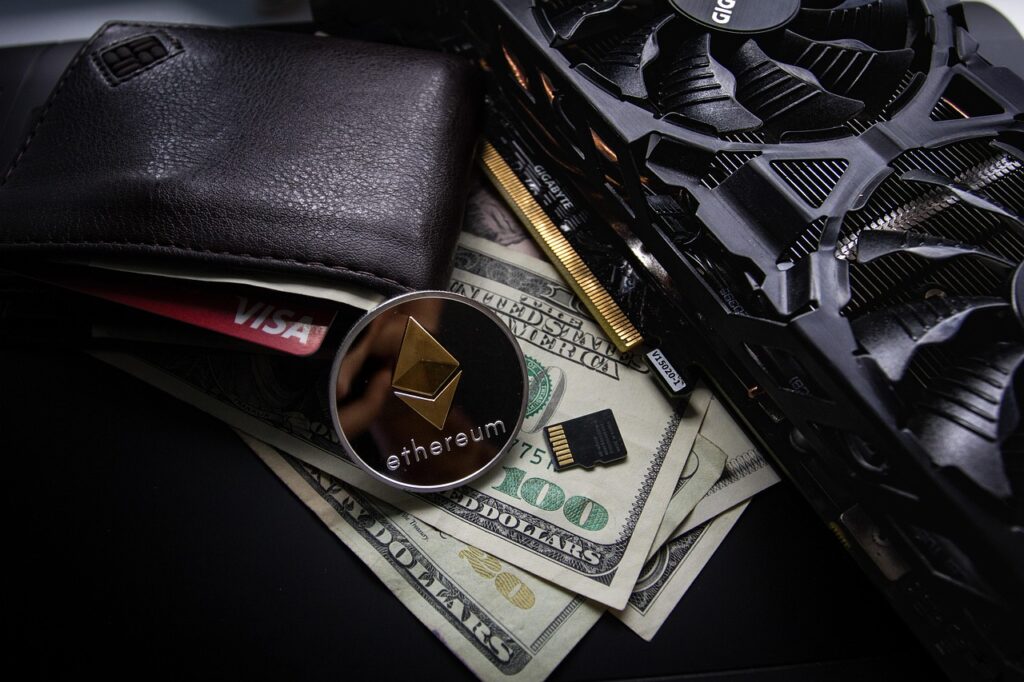

Digital wallets are changing the financial landscape, but many people are still unsure about what they are and how they work, due to the prevalence of myths and misconceptions surrounding them. One of the most frustrating problems people face when considering digital wallets is the lack of understanding about their security – for instance, a digital wallet, which is essentially a software-based system that stores users’ payment information and passwords – for various payment methods, such as credit or debit cards, in one convenient place. This can lead to a sense of unease and mistrust in the technology. Moreover, the fear of losing personal and financial information – such as credit card numbers and expiration dates – is a significant barrier to adoption. As a result, people may be hesitant to use digital wallets, which can slow down the transition to a more digital, and potentially more convenient, way of life.
📝 Contents
Common Challenges With What Does Digital Wallet (Myths Debunked) Mean?
Security Concerns
Security concerns are a major issue for people considering digital wallets, as they are worried about the potential for hacking and the loss of personal and financial information. This happens because digital wallets, like any other digital system, can be vulnerable to cyber attacks – which are attempts by hackers to breach the security of a computer system or network – if not properly secured. However, most digital wallets have robust security measures in place, such as encryption – which is the process of converting data into a code to prevent unauthorized access – and tokenization – which is the process of replacing sensitive information with a unique token, to protect users’ information.
Lack of Awareness
Lack of awareness about digital wallets is another significant challenge, as many people do not understand how they work or what benefits they offer. This lack of understanding can lead to misconceptions and mistrust of digital wallets. To clarify, a digital wallet, also known as an e-wallet, is a software-based system that allows users to make transactions – such as online purchases or in-store payments – using their mobile devices or computers, and it typically involves the use of a digital payment method, such as a credit or debit card, or a digital payment service, such as Apple Pay or Google Pay. Digital wallets can offer a range of benefits, including convenience, speed, and security, making them a great option for people looking to simplify their financial lives.
Compatibility Issues
Compatibility issues can also be a problem for people using digital wallets, as not all devices or merchants may be compatible with digital wallet technology. This can happen because different devices and systems may have different technical requirements or specifications, such as operating system version or screen resolution, which can affect their ability to support digital wallets. However, many digital wallets are designed to be compatible with a wide range of devices and systems, and they often provide clear guidance on which devices and systems are supported.
Dependence on Technology
Dependence on technology is another challenge associated with digital wallets, as people may be concerned about what happens if their device or the digital wallet system is not working properly. This concern is valid, as technology can sometimes fail or be unavailable, which can cause inconvenience or disruption to people who rely on digital wallets. However, many digital wallets have backup systems and support teams in place to help resolve any issues that may arise, and they often provide clear instructions on how to troubleshoot common problems.
Regulatory Framework
The regulatory framework surrounding digital wallets can also be a challenge, as the laws and regulations governing digital wallets are still evolving and may vary from country to country. This can create uncertainty and confusion for people using digital wallets, as they may not be sure what rules and regulations apply to their transactions. However, many governments and regulatory bodies are working to establish clear guidelines and standards for digital wallets, which should help to create a more stable and secure environment for users.
Latest Digital Wallet Technologies
1. Mobile Payments
Mobile payments are a type of digital wallet technology that allows users to make transactions using their mobile devices, such as smartphones or tablets. To implement mobile payments, users typically need to download a mobile payment app, such as Apple Pay or Google Pay, and link their payment method, such as a credit or debit card, to the app. Mobile payments use near-field communication (NFC) technology, which is a type of wireless communication that allows devices to exchange data when they are in close proximity to each other, to enable secure and convenient transactions. Mobile payments offer a range of benefits, including convenience, speed, and security, making them a great option for people looking to simplify their financial lives.
- Key Benefits:
- Convenience: Mobile payments allow users to make transactions quickly and easily, without the need for cash or cards.
- Speed: Mobile payments are typically faster than traditional payment methods, as they do not require users to physically swipe or insert their cards.
- Security: Mobile payments use advanced security measures, such as encryption and tokenization, to protect users’ information and prevent unauthorized transactions.
2. Contactless Payments
Contactless payments are a type of digital wallet technology that allows users to make transactions without the need for physical contact between their device and the payment terminal. To implement contactless payments, users typically need to have a device that supports contactless payments, such as a smartphone or smartwatch, and a payment method, such as a credit or debit card, that is linked to their device. Contactless payments use NFC technology to enable secure and convenient transactions, and they offer a range of benefits, including convenience, speed, and security.
- Key Benefits:
- Convenience: Contactless payments allow users to make transactions quickly and easily, without the need for cash or cards.
- Speed: Contactless payments are typically faster than traditional payment methods, as they do not require users to physically swipe or insert their cards.
- Security: Contactless payments use advanced security measures, such as encryption and tokenization, to protect users’ information and prevent unauthorized transactions.
3. Digital Wallet Apps
Digital wallet apps are software programs that allow users to store and manage their payment information, such as credit or debit card numbers, and make transactions using their mobile devices. To implement digital wallet apps, users typically need to download the app and link their payment method to the app. Digital wallet apps use advanced security measures, such as encryption and tokenization, to protect users’ information and prevent unauthorized transactions, and they offer a range of benefits, including convenience, speed, and security.
- Key Benefits:
- Convenience: Digital wallet apps allow users to make transactions quickly and easily, without the need for cash or cards.
- Speed: Digital wallet apps are typically faster than traditional payment methods, as they do not require users to physically swipe or insert their cards.
- Security: Digital wallet apps use advanced security measures, such as encryption and tokenization, to protect users’ information and prevent unauthorized transactions.
4. Cryptocurrency Wallets
Cryptocurrency wallets are software programs that allow users to store, send, and receive cryptocurrencies, such as Bitcoin or Ethereum. To implement cryptocurrency wallets, users typically need to download the wallet software and create a new wallet, which involves generating a pair of cryptographic keys, a public key and a private key. Cryptocurrency wallets use advanced security measures, such as encryption and multi-factor authentication, to protect users’ information and prevent unauthorized transactions, and they offer a range of benefits, including convenience, speed, and security.
- Key Benefits:
- Convenience: Cryptocurrency wallets allow users to make transactions quickly and easily, without the need for traditional payment methods.
- Speed: Cryptocurrency wallets are typically faster than traditional payment methods, as they do not require users to physically swipe or insert their cards.
- Security: Cryptocurrency wallets use advanced security measures, such as encryption and multi-factor authentication, to protect users’ information and prevent unauthorized transactions.
5. Biometric Authentication
Biometric authentication is a type of security measure that uses unique physical characteristics, such as fingerprints or facial recognition, to verify users’ identities. To implement biometric authentication, users typically need to have a device that supports biometric authentication, such as a smartphone or tablet, and a digital wallet app that uses biometric authentication. Biometric authentication offers a range of benefits, including convenience, speed, and security, making it a great option for people looking to simplify their financial lives. uses unique physical
- Key Benefits:
- Convenience: Biometric authentication allows users to access their digital wallets quickly and easily, without the need for passwords or PINs.
- Speed: Biometric authentication is typically faster than traditional security methods, as it does not require users to enter passwords or PINs.
- Security: Biometric authentication uses advanced security measures, such as encryption and multi-factor authentication, to protect users’ information and prevent unauthorized transactions.
6. Tokenization
Tokenization is a type of security measure that replaces sensitive information, such as credit or debit card numbers, with a unique token, to prevent unauthorized transactions. To implement tokenization, users typically need to have a digital wallet app that uses tokenization, such as Apple Pay or Google Pay. Tokenization offers a range of benefits, including convenience, speed, and security, making it a great option for people looking to simplify their financial lives.
- Key Benefits:
- Convenience: Tokenization allows users to make transactions quickly and easily, without the need for cash or cards.
- Speed: Tokenization is typically faster than traditional payment methods, as it does not require users to physically swipe or insert their cards.
- Security: Tokenization uses advanced security measures, such as encryption and multi-factor authentication, to protect users’ information and prevent unauthorized transactions.
| Approach | Old Way | Better Way | Result |
|---|---|---|---|
| Payment Method | Cash or Cards | Digital Wallets | Convenience and Security |
| Transaction Speed | Slow | Fast | Increased Efficiency |
| Security Measures | Minimal | Advanced | Reduced Risk of Unauthorized Transactions |
| Compatibility | Limited | Wide Range of Devices and Systems | Increased Accessibility |
| Regulatory Framework | Unclear | Clear Guidelines and Standards | Increased Stability and Security |
How This Affects Everyday Life
The increasing use of digital wallets is having a significant impact on everyday life, as people are able to make transactions quickly and easily, without the need for cash or cards. For example, a person can use their smartphone to pay for coffee at a cafe, or to buy groceries at a supermarket, using a digital wallet app such as Apple Pay or Google Pay. This convenience and speed are making digital wallets a popular choice for people looking to simplify their financial lives.
The use of digital wallets is also having a significant impact on the way businesses operate, as they are able to accept payments quickly and easily, without the need for cash or cards. For example, a small business owner can use a digital wallet app to accept payments from customers, without the need for a traditional point-of-sale system. This is making it easier for businesses to operate and for customers to make transactions, which is increasing efficiency and productivity.
The increasing use of digital wallets is also having a significant impact on the environment, as people are using less cash and cards, which is reducing waste and increasing sustainability. For example, a person can use a digital wallet app to make transactions, without the need for paper receipts or plastic cards, which is reducing the amount of waste generated by traditional payment methods. This is making digital wallets a more environmentally friendly option for people looking to reduce their impact on the environment.
The use of digital wallets is also having a significant impact on the way people manage their finances, as they are able to track their spending and balance in real-time, without the need for traditional banking methods. For example, a person can use a digital wallet app to track their spending and balance, and to receive notifications when their account balance is low, which is helping them to stay on top of their finances and to avoid overspending. This is making digital wallets a popular choice for people looking to simplify their financial lives.
The increasing use of digital wallets is also having a significant impact on the way people shop online, as they are able to make transactions quickly and easily, without the need for cash or cards. For example, a person can use a digital wallet app to make online purchases, without the need for a credit or debit card, which is increasing convenience and security. This is making digital wallets a popular choice for people looking to simplify their online shopping experience.
Step-by-Step Action Plan
- Research different digital wallet options, such as Apple Pay or Google Pay, to determine which one is best for your needs, because this will help you to understand the features and benefits of each option and to make an informed decision. This is an important step, as it will help you to choose a digital wallet that meets your needs and provides the level of security and convenience that you require.
- Download and install the digital wallet app, such as Apple Pay or Google Pay, on your device, because this will give you access to the app’s features and benefits, and will allow you to start using your digital wallet right away. This is a straightforward process, as most digital wallet apps are available for download from the app store, and can be installed on your device in just a few minutes.
- Link your payment method, such as a credit or debit card, to the digital wallet app, because this will allow you to make transactions using your digital wallet, and will provide you with the convenience and security that you need. This is a simple process, as most digital wallet apps provide clear instructions on how to link your payment method, and will guide you through the process step-by-step.
- Set up biometric authentication, such as facial recognition or fingerprint scanning, to add an extra layer of security to your digital wallet, because this will help to protect your information and prevent unauthorized transactions. This is an important step, as biometric authentication provides a high level of security, and will give you peace of mind when using your digital wallet.
- Start using your digital wallet to make transactions, such as buying coffee or groceries, because this will give you hands-on experience with the app, and will help you to become more comfortable with using your digital wallet. This is a great way to get started with your digital wallet, as it will allow you to see how the app works, and will give you a sense of confidence when using it.
- Monitor your account balance and transaction history, because this will help you to stay on top of your finances, and will give you a clear understanding of your spending habits. This is an important step, as it will help you to manage your finances effectively, and will give you the information that you need to make informed decisions about your money.
- Take advantage of rewards and loyalty programs, such as cashback or discounts, that are offered by your digital wallet provider, because this will help you to get the most out of your digital wallet, and will provide you with additional benefits and incentives. This is a great way to maximize the value of your digital wallet, as it will give you access to exclusive rewards and benefits, and will help you to save money or earn rewards on your transactions.
One Last Thing
The use of digital wallets is becoming increasingly popular, as people are looking for convenient and secure ways to make transactions. Digital wallets offer a range of benefits, including convenience, speed, and security, making them a great option for people looking to simplify their financial lives. As the technology continues to evolve, it is likely that digital wallets will become even more widespread, and will play an increasingly important role in the way that people manage their finances. This is an exciting development, as it will provide people with even more options and opportunities for managing their money, and will help to create a more efficient and secure financial system.
Looking to the future, it is clear that digital wallets will continue to play a major role in the way that people make transactions, and will provide a range of benefits and opportunities for individuals and businesses alike. As the technology continues to evolve, it is likely that digital wallets will become even more sophisticated, and will offer even more features and benefits to users. This is a exciting prospect, as it will provide people with even more options and opportunities for managing their money, and will help to create a more efficient and secure financial system.
To wrap up, digital wallets are a convenient and secure way to make transactions, and offer a range of benefits, including speed, convenience, and security. As the technology continues to evolve, it is likely that digital wallets will become even more widespread, and will play an increasingly important role in the way that people manage their finances. This is an exciting development, as it will provide people with even more options and opportunities for managing their money, and will help to create a more efficient and secure financial system.