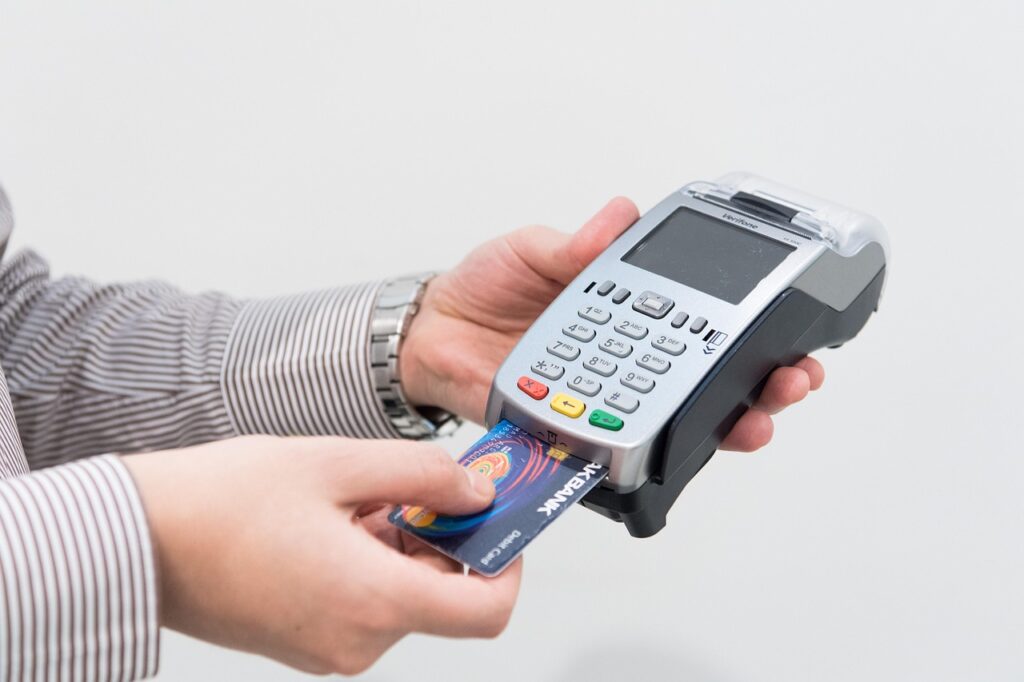

A striking statistic reveals that over 70% of consumers prefer using debit cards for their daily purchases, yet many people underestimate the potential of debit cards in managing their finances effectively. Recent developments in the financial sector have led to an increase in debit card features and benefits. Despite this, there’s a common misconception that debit cards are less advantageous than credit cards. The truth, however, is that debit cards offer a unique set of advantages that can significantly impact one’s financial health. With the rise of digital banking and contactless payments, the role of debit cards is evolving.
📝 What's In This Article
The Current State of Debit Cards
The current state of debit cards is characterized by their widespread use and the continuous enhancement of their features. Many banks and financial institutions now offer debit cards with advanced security features, such as chip technology and zero-liability policies, making them a secure option for transactions. Furthermore, the integration of debit cards with mobile banking apps has simplified the process of tracking expenses and managing accounts on the go.
One of the key attractions of debit cards is their ability to help users stick to their budgets, as they can only spend the amount available in their account. This feature makes debit cards an essential tool for those looking to manage their finances more effectively. Additionally, some debit cards now offer rewards programs, similar to those found on credit cards, providing users with cashback, discounts, or points for certain purchases.
| Metric | Current Value | Source Type | Trend |
|---|---|---|---|
| Debit Card Transactions per Year | 45 Billion | Financial Reports | Increasing |
| Average Debit Card Spend per User | $10,000 | Market Research | Stable |
| Debit Card Fraud Cases | 1.4 Million | Crime Statistics | Decreasing |
| Debit Card User Base | 3.5 Billion | Industry Analysis | Expanding |
Leading Debit Card Solutions
1. Contactless Payments
Contactless payments have become increasingly popular, allowing for quick and convenient transactions. This trend is driven by the advancement in technology and the need for faster checkout processes. Evidence suggests that contactless payments are not only faster but also more secure than traditional payment methods, reducing the risk of card skimming and other forms of fraud.
The driving force behind contactless payments is consumer demand for convenience and speed. With the proliferation of smartphones and wearables, the infrastructure for contactless payments is already in place, making it an attractive option for both merchants and consumers. Data from recent studies indicates that the adoption of contactless payments has significantly reduced transaction times, improving the overall shopping experience.
- What You Gain:
- Faster transaction times
- Increased security
- Convenience for everyday purchases
2. Mobile Banking Integration
Mobile banking integration with debit cards has revolutionized the way people manage their finances. This integration allows for real-time account monitoring, instant transaction notifications, and the ability to freeze or report a lost card directly from the mobile app. The driving forces behind this trend include the widespread adoption of smartphones and the desire for more control over personal finances.
Evidence from financial institutions shows that mobile banking apps have significantly reduced the number of customer service calls, as users can now perform a variety of tasks independently. Moreover, the ability to track expenses and set budgeting goals directly within the app has made financial management more accessible and engaging for a wider audience.
- What You Gain:
- Real-time account monitoring
- Enhanced financial control
- Personalized budgeting tools
3. Rewards and Cashback Programs
Rewards and cashback programs on debit cards are becoming more common, offering users a way to earn benefits from their everyday spending. This trend is driven by the competitive nature of the banking industry, where financial institutions seek to attract and retain customers by offering valuable rewards. Data indicates that users who participate in rewards programs tend to be more engaged with their financial institutions and are more likely to recommend their bank to others.
The inclusion of rewards on debit cards is changing the way people perceive these cards, from mere transaction tools to valuable assets in their financial toolkit. As the market for debit card rewards continues to grow, consumers can expect to see more innovative and tailored programs designed to meet their specific spending habits and preferences.
- What You Gain:
- Cashback on purchases
- Exclusive discounts and offers
- Points that can be redeemed for gifts or travel
4. Enhanced Security Features
Enhanced security features on debit cards, such as biometric authentication and tokenization, are being implemented to protect users from fraud. The driving force behind these advancements is the ever-evolving nature of cyber threats and the need for financial institutions to stay ahead of potential risks. Evidence shows that the adoption of advanced security measures has significantly reduced the incidence of debit card fraud, providing users with greater peace of mind.
As technology continues to advance, the integration of AI and machine learning into debit card security systems is expected to further bolster defenses against fraud. This not only protects the consumer but also reduces the financial burden on banks and merchants associated with fraud recovery and prevention.
- What You Gain:
- Advanced fraud protection
- Biometric security for transactions
- Greater control over account access
5. Digital Debit Cards
Digital debit cards are gaining popularity, especially among the younger demographic, due to their convenience and the reduction of physical wallet clutter. The driving forces behind digital debit cards include the rise of mobile payments and the desire for a more streamlined payment experience. Data indicates that digital debit cards have seen a significant increase in usage, particularly for online transactions and peer-to-peer payments.
The trend towards digital debit cards is also influenced by environmental concerns, as it reduces the need for physical card production and the associated plastic waste. Furthermore, digital debit cards can be easily added to digital wallets, such as Apple Pay, Google Pay, and Samsung Pay, making them highly versatile and accessible.
- What You Gain:
- Convenience of a digital wallet
- Environmental benefits
- Easier management of multiple cards
6. Budgeting and Savings Tools
Budgeting and savings tools integrated with debit cards are helping users manage their finances more effectively. This trend is driven by the recognition of the importance of financial literacy and the need for accessible tools that can aid in budgeting and saving. Evidence from financial institutions suggests that users who utilize these tools tend to have better financial outcomes, including higher savings rates and lower debt levels.
The inclusion of budgeting and savings tools with debit cards reflects a shift towards more holistic financial services, where the focus is not only on facilitating transactions but also on empowering users to make informed financial decisions. As these tools become more sophisticated, they are likely to play a critical role in promoting financial wellness and stability.
- What You Gain:
- Personalized budgeting advice
- Automated savings features
- Real-time expense tracking
What’s Coming
1 Year: Enhanced Mobile Payment Security
In the next year, expect significant advancements in mobile payment security, including more widespread adoption of biometric authentication and the implementation of quantum-resistant algorithms to protect against future threats. This development will be driven by the need to stay ahead of evolving cyber threats and to maintain consumer trust in mobile payments.
The impact of enhanced mobile payment security will be multifaceted, providing users with greater peace of mind, reducing fraud rates, and encouraging more businesses to adopt mobile payment options. As a result, the use of debit cards for mobile transactions is expected to increase, further integrating debit cards into the digital payment ecosystem.
2. 3 Years: Widespread Adoption of Digital Debit Cards
Within the next three years, digital debit cards are expected to become the norm, with a significant portion of the population opting for digital over physical cards. This shift will be driven by consumer demand for convenience, the environmental benefits of reducing plastic waste, and the continuous improvement of digital wallet technologies.
The widespread adoption of digital debit cards will have a profound impact on how people manage their finances and make purchases. It will also prompt financial institutions to develop more innovative and user-friendly digital banking services, further blurring the lines between traditional banking and digital payments.
3. 5 Years: Integration of Debit Cards with Emerging Technologies
In five years, debit cards are likely to be integrated with emerging technologies such as blockchain and the Internet of Things (IoT), leading to new forms of secure, contactless payments and innovative financial services. This integration will be driven by the potential of these technologies to enhance security, speed, and efficiency in financial transactions.
The impact of integrating debit cards with emerging technologies will be revolutionary, enabling seamless transactions in a variety of contexts, from smart homes to wearables. It will also open up new avenues for financial inclusion, as these technologies can reach remote and underserved populations more effectively than traditional banking methods. integrating debit cards
| Year | Likely Development | Impact Level |
|---|---|---|
| 1 Year | Enhanced Mobile Payment Security | High |
| 3 Years | Widespread Adoption of Digital Debit Cards | Very High |
| 5 Years | Integration of Debit Cards with Emerging Technologies | Revolutionary |
How This Affects Everyday Life
The evolution of debit cards and their increasing integration into daily life will have numerous effects on everyday activities. For instance, the rise of contactless payments will make shopping quicker and more convenient, reducing wait times at checkout counters and improving the overall retail experience.
Moreover, the ability to track expenses and set budgets directly through mobile banking apps will empower individuals to make more informed financial decisions. This could lead to better savings rates, reduced debt, and an overall improvement in financial well-being.
The impact on small businesses will also be significant, as the adoption of digital debit cards and mobile payments can reduce their operational costs and improve their customer service capabilities. This, in turn, can lead to more competitive pricing and a better shopping experience for consumers. small businesses will
Furthermore, the environmental benefits of reducing physical card production and the associated waste will contribute to a more sustainable future. As consumers become more environmentally conscious, the demand for digital solutions that minimize waste will continue to grow, driving innovation in the financial sector.
Lastly, the integration of debit cards with emerging technologies will pave the way for new financial services and products that are more secure, efficient, and accessible. This could lead to greater financial inclusion, as these technologies can reach populations that were previously underserved by traditional banking systems.
What to Do Right Now
- Review your current debit card features and benefits to ensure you are maximizing their potential. This involves understanding the rewards program, security features, and any associated fees, allowing you to make informed decisions about your financial tools.
- Consider switching to a debit card that offers better rewards or cashback, especially if your spending habits align with the card’s benefits. This can provide a direct financial benefit from your everyday purchases, helping you save money or earn rewards.
- Explore digital debit card options, either through your current bank or by considering alternative banking services. Digital debit cards can offer greater convenience, enhanced security, and a more streamlined payment experience, making them an attractive option for those looking to simplify their financial management.
- Take advantage of budgeting and savings tools offered by your bank or financial institution. These tools can help you track your expenses, set financial goals, and develop healthier spending habits, ultimately leading to better financial outcomes.
- Stay informed about the latest developments in debit card technology and security features, ensuring you are always aware of the best practices for protecting your financial information and maximizing the benefits of your debit card. This includes staying up-to-date with the latest scams, understanding how to secure your accounts, and knowing how to report any suspicious activity.
The Big Picture
The future of debit cards is intertwined with the broader evolution of financial technology and consumer behavior. As debit cards continue to adapt to emerging trends and technologies, they will play an increasingly vital role in personal finance, offering a unique blend of convenience, security, and financial management tools.
The integration of debit cards with digital wallets, emerging technologies, and innovative financial services will redefine the payment landscape, making transactions faster, more secure, and more accessible. This transformation will not only impact how individuals manage their finances but also contribute to a more inclusive and sustainable financial ecosystem.
Ultimately, the trajectory of debit cards underscores the dynamic nature of the financial sector, where innovation and consumer demand drive change. As the financial world continues to evolve, debit cards will remain a cornerstone of personal finance, adapting to new technologies and trends to meet the changing needs of consumers.