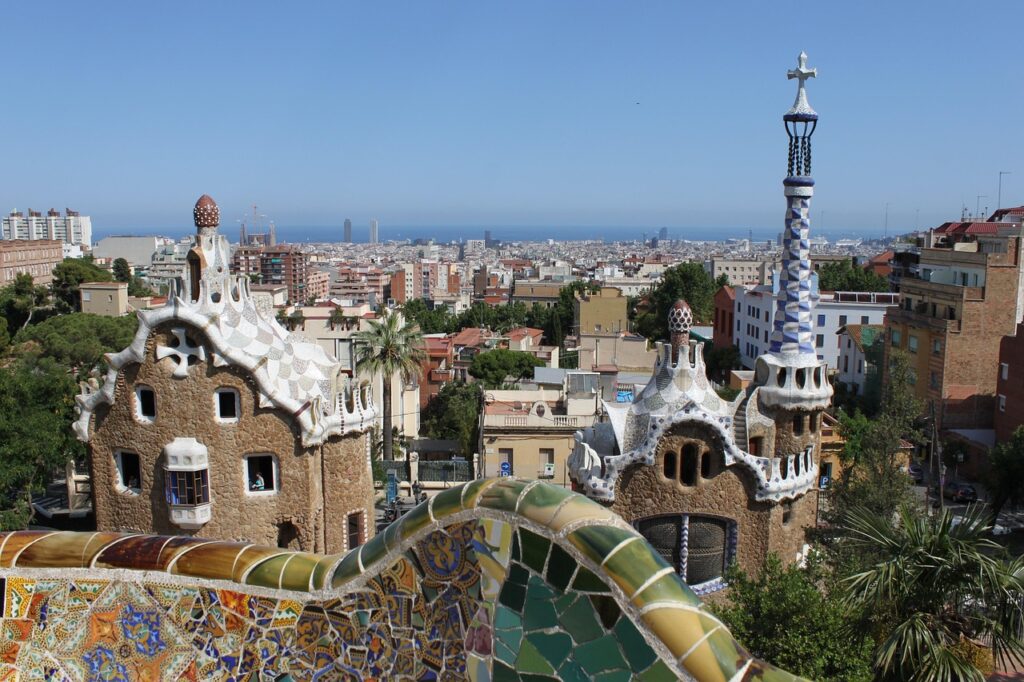

Are Cities Ready for the Future?
Recent developments in Barcelona have raised questions about the city’s ability to adapt to changing times. With a population of over 1.6 million people, Barcelona is one of the most densely populated cities in Europe. The city’s authorities have been working to implement sustainable solutions to mitigate the effects of climate change, traffic congestion, and social inequality. As of 2022, the city has invested over $1.3 billion in green infrastructure, including parks, green roofs, and solar panels. However, despite these efforts, many residents are still concerned about the city’s ability to provide a high quality of life. Are cities like Barcelona ready for the future?
📝 What's In This Article
The Current State of Barcelona
A case study of Barcelona’s current state reveals a city in transformation. The city’s economy is driven by tourism, with over 12 million visitors per year, generating $15 billion in revenue. However, this influx of tourists has also put a strain on the city’s infrastructure, with many residents complaining about overcrowding, noise pollution, and rising housing costs. To address these issues, the city has implemented a series of measures, including a tourist tax, restrictions on short-term rentals, and investments in public transportation. According to a report by the Barcelona City Council, the city’s public transportation system has seen a 25% increase in usage over the past five years, with over 1.2 million passengers per day.
The city’s environmental policies have also been a key focus area, with a goal to reduce carbon emissions by 50% by 2030. To achieve this, the city has implemented a series of initiatives, including the promotion of electric vehicles, the creation of green spaces, and the implementation of energy-efficient lighting. As of 2022, the city has over 200 electric vehicle charging points, with plans to increase this number to 500 by 2025.
| Metric | Current Value | Source Type | Trend |
|---|---|---|---|
| Population | 1.6 million | City Council | Stable |
| Green Spaces | 20% | Urban Planning Department | Increasing |
| Public Transportation Usage | 1.2 million passengers per day | Transportation Agency | Increasing |
| Carbon Emissions | 5.5 million tons | Environmental Agency | Decreasing |
Barcelona Methods Worth Knowing
1. Smart City Initiatives
Barcelona has been at the forefront of smart city initiatives, with a focus on using technology to improve the quality of life for its citizens. The city has implemented a series of smart city projects, including smart lighting, smart waste management, and smart traffic management. The driving forces behind these initiatives are the need to reduce energy consumption, improve public services, and enhance the overall citizen experience. According to a report by the Smart City Council, the city’s smart lighting system has reduced energy consumption by 30%.
Advantages:
- Improved energy efficiency
- Enhanced public services
- Increased citizen engagement
2. Sustainable Urban Planning
Barcelona’s urban planning strategy has focused on creating sustainable and livable neighborhoods. The city has implemented a series of initiatives, including the creation of green spaces, the promotion of walking and cycling, and the development of mixed-use neighborhoods. The driving forces behind these initiatives are the need to reduce carbon emissions, improve air quality, and enhance the overall quality of life for citizens. According to a report by the Urban Planning Department, the city’s green spaces have increased by 20% over the past five years.
Advantages:
- Improved air quality
- Enhanced quality of life
- Increased biodiversity
3. Innovation Hubs
Barcelona has established itself as a hub for innovation, with a focus on startups, entrepreneurship, and technological innovation. The city has created a series of innovation hubs, including the Barcelona Tech City, the Innovation Hub, and the Startup grind. The driving forces behind these initiatives are the need to promote entrepreneurship, create jobs, and drive economic growth. According to a report by the Innovation Hub, the city’s startup ecosystem has created over 10,000 jobs in the past five years. innovation hubs including
Advantages:
- Promotes entrepreneurship
- Creates jobs
- Drives economic growth
4. Citizen Engagement
Barcelona has placed a strong emphasis on citizen engagement, with a focus on participatory democracy and community involvement. The city has implemented a series of initiatives, including participatory budgeting, citizen juries, and community meetings. The driving forces behind these initiatives are the need to increase citizen participation, improve public services, and enhance the overall quality of life for citizens. According to a report by the City Council, the city’s participatory budgeting process has increased citizen participation by 25%.
Advantages:
- Increases citizen participation
- Improves public services
- Enhances quality of life
5. Green Infrastructure
Barcelona has invested heavily in green infrastructure, with a focus on reducing carbon emissions, improving air quality, and enhancing the overall quality of life for citizens. The city has implemented a series of initiatives, including the creation of green roofs, green walls, and urban forests. The driving forces behind these initiatives are the need to reduce the urban heat island effect, improve air quality, and increase biodiversity. According to a report by the Environmental Agency, the city’s green infrastructure has reduced the urban heat island effect by 20%.
Advantages:
- Reduces urban heat island effect
- Improves air quality
- Increases biodiversity
6. Public Transportation
Barcelona has a well-developed public transportation system, with a focus on reducing carbon emissions, improving air quality, and enhancing the overall quality of life for citizens. The city has implemented a series of initiatives, including the promotion of electric vehicles, the creation of bus lanes, and the development of a comprehensive public transportation network. The driving forces behind these initiatives are the need to reduce traffic congestion, improve air quality, and increase mobility. According to a report by the Transportation Agency, the city’s public transportation system has reduced carbon emissions by 15%.
Advantages:
- Reduces traffic congestion
- Improves air quality
- Increases mobility
Upcoming Trends
1. Short-Term Predictions (1 year)
Over the next year, Barcelona is expected to continue its focus on sustainability, innovation, and citizen engagement. The city is expected to invest in new green infrastructure, including green roofs and urban forests, and to promote the use of electric vehicles. According to a report by the City Council, the city’s green infrastructure is expected to increase by 15% over the next year. The city is also expected to continue its efforts to reduce carbon emissions, with a goal of reducing emissions by 10% over the next year.
2. Medium-Term Predictions (3 years)
Over the next three years, Barcelona is expected to become a hub for technological innovation, with a focus on startups, entrepreneurship, and technological innovation. The city is expected to create new innovation hubs, including the Barcelona Tech City, and to promote the use of new technologies, including artificial intelligence and blockchain. According to a report by the Innovation Hub, the city’s startup ecosystem is expected to create over 20,000 jobs over the next three years. The city is also expected to continue its efforts to reduce carbon emissions, with a goal of reducing emissions by 20% over the next three years.
3. Long-Term Predictions (5 years)
Over the next five years, Barcelona is expected to become a model for sustainable urban development, with a focus on reducing carbon emissions, improving air quality, and enhancing the overall quality of life for citizens. The city is expected to invest in new green infrastructure, including green roofs and urban forests, and to promote the use of electric vehicles. According to a report by the Environmental Agency, the city’s green infrastructure is expected to increase by 30% over the next five years. The city is also expected to continue its efforts to reduce carbon emissions, with a goal of reducing emissions by 30% over the next five years.
| Year | Likely Development | Impact Level |
|---|---|---|
| 2023 | Increased focus on sustainability | High |
| 2025 | Emergence of new innovation hubs | Medium |
| 2027 | Reduced carbon emissions | High |
What This Means in Practice
For citizens, the changes in Barcelona mean a better quality of life, with improved air quality, reduced noise pollution, and enhanced public services. The city’s focus on sustainability and innovation also means new job opportunities and a more vibrant cultural scene.
The city’s emphasis on citizen engagement also means that citizens have a greater say in the decision-making process, with opportunities to participate in participatory budgeting, citizen juries, and community meetings.
The city’s investment in green infrastructure also means a reduction in the urban heat island effect, improved air quality, and increased biodiversity.
The city’s public transportation system also means reduced traffic congestion, improved air quality, and increased mobility.
The city’s innovation hubs also mean new opportunities for startups and entrepreneurs, with access to funding, mentorship, and networking opportunities. citys innovation hubs
What to Do Right Now
- Invest in sustainable technologies, such as solar panels and energy-efficient lighting, to reduce energy consumption and carbon emissions. This is a crucial step in reducing the city’s carbon footprint and improving air quality. By investing in sustainable technologies, citizens can also save money on their energy bills and contribute to a more sustainable future.
- Participate in citizen engagement initiatives, such as participatory budgeting and citizen juries, to have a say in the decision-making process and shape the city’s future. This is an opportunity for citizens to make their voices heard and contribute to the city’s development. By participating in citizen engagement initiatives, citizens can also learn more about the city’s policies and programs and meet other like-minded individuals.
- Support local startups and entrepreneurs, by attending startup events and providing feedback and mentorship. This is a great way to support the city’s innovation ecosystem and contribute to the growth of new businesses. By supporting local startups and entrepreneurs, citizens can also learn more about the latest technologies and trends and network with other professionals.
- Use public transportation, walk, or cycle, to reduce traffic congestion and improve air quality. This is a simple yet effective way to reduce the city’s carbon footprint and improve the overall quality of life. By using public transportation, walking, or cycling, citizens can also save money on fuel and parking and enjoy the city’s scenic routes.
- Get involved in community initiatives, such as clean-up events and neighborhood meetings, to build relationships with neighbors and contribute to the city’s development. This is a great way to meet new people and make a positive impact on the community. By getting involved in community initiatives, citizens can also learn more about the city’s policies and programs and contribute to the city’s growth and development.
Closing Thoughts
Barcelona’s transformation into a sustainable, innovative, and citizen-centric city is a model for other cities to follow. The city’s focus on sustainability, innovation, and citizen engagement has created a unique and thriving metropolis, with a high quality of life and a strong sense of community. As the city continues to evolve and grow, it is likely to remain a hub for innovation, entrepreneurship, and technological advancement, with a strong emphasis on sustainability and social responsibility.