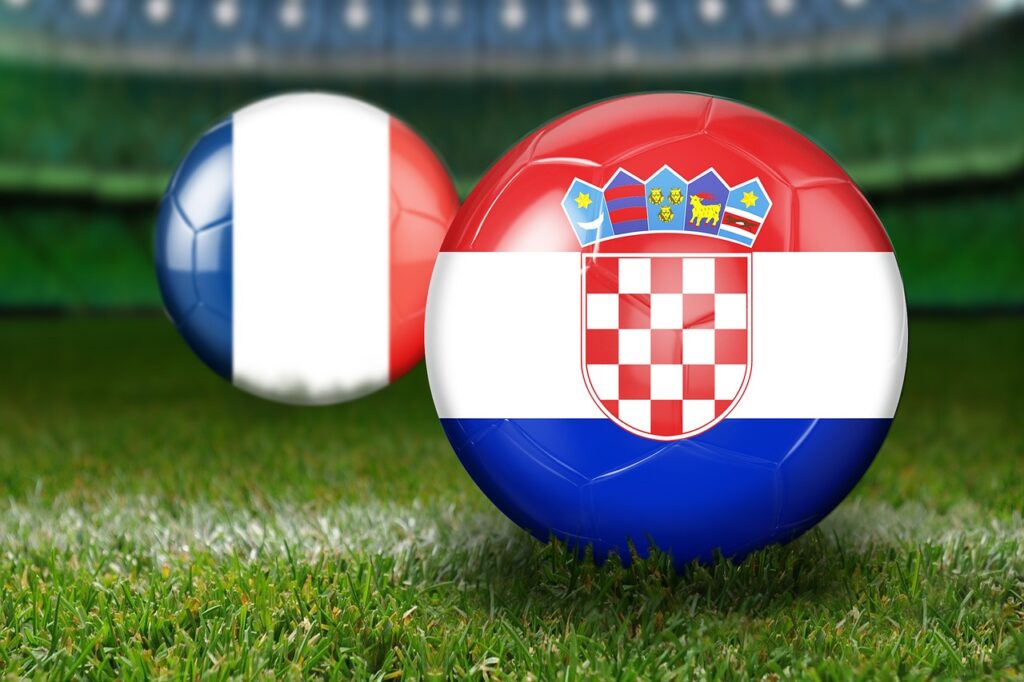

The Rising Importance of the FIFA World Cup
The FIFA World Cup has been gaining attention worldwide for its massive following, significant economic impact, and cultural influence. Choosing the right approach to understanding and engaging with the World Cup matters, as it can shape one’s perspective on the tournament, its participants, and its broader implications. The World Cup’s influence extends beyond the sport itself, affecting local and global economies, societal issues, and cultural exchange. As the tournament continues to grow in popularity and reach, its impact on everyday life becomes more pronounced. Here’s the key thing to understand: the World Cup is not just about soccer; it is a global phenomenon with far-reaching consequences.
📝 Table of Contents
What Does the FIFA World Cup Mean?
The FIFA World Cup is an international soccer tournament held every four years, featuring national teams from FIFA member associations. To grasp the significance of the World Cup, one must consider its history, format, and global reach. The tournament has been held since 1930, with the exception of 1942 and 1946, when it was not held due to World War II. The World Cup has evolved over the years, with changes in its format, participation, and rules. Understanding these aspects is crucial for appreciating the tournament’s complexity and appeal.
The World Cup’s impact is multifaceted, influencing not only the sport of soccer but also economies, cultures, and societies worldwide. To evaluate the tournament’s effects, consider the following key metrics:
| Category | Description | Impact | Example |
|---|---|---|---|
| Economic | Tournament revenue, job creation, infrastructure development | Significant financial benefits for host countries and participating teams | Increased tourism and job creation in host cities |
| Cultural | Cultural exchange, national pride, social unity | Promotes cross-cultural understanding and national identity | International fan festivals and cultural events during the tournament |
| Social | Social cohesion, community engagement, charitable initiatives | Fosters social unity and supports charitable causes | Charity matches and fundraising campaigns by players and teams |
| Environmental | Stadium construction, energy consumption, waste management | Significant environmental footprint, with opportunities for sustainability initiatives | Implementation of renewable energy sources and waste reduction programs in host stadiums |
FIFA World Cup Methods Worth Knowing
1. The Group Stage
The Group Stage is the initial phase of the World Cup, where teams are divided into groups and compete in a round-robin format. This stage is crucial for determining which teams advance to the next round.
What You Gain:
- Exciting matches between top teams from different continents
- Opportunities for underdog teams to upset favorites
- Early elimination of weaker teams, making the tournament more competitive
Known Issues:
- Potential for drawn matches and goalless games
- Controversies surrounding refereeing decisions and VAR implementation
Best for: Fans who enjoy watching a variety of teams and styles of play.
2. The Knockout Stage
The Knockout Stage is the elimination phase of the tournament, where teams compete in a single-elimination format. This stage is intense and unpredictable, with each match potentially leading to dramatic upsets or thrilling comebacks.
What You Gain:
- High-stakes matches with significant implications for team advancement
- Opportunities for dramatic comebacks and underdog victories
- Increased tension and excitement as teams battle for the championship
Known Issues:
- Potential for injuries and player fatigue due to intense competition
- Controversies surrounding refereeing decisions and their impact on match outcomes
Best for: Fans who thrive on high-pressure situations and dramatic turnarounds.
3. Team Preparation and Strategy
Team preparation and strategy play a vital role in the World Cup, as coaches and players must adapt to different opponents, formations, and conditions. Effective preparation can significantly impact a team’s performance and chances of success.
What You Gain:
- In-depth analysis of team strengths, weaknesses, and tactics
- Strategic decisions on player selection, formation, and substitutions
- Adaptability and flexibility in response to changing circumstances
Known Issues:
- Potential for overemphasis on strategy, leading to rigid and inflexible play
- Challenges in balancing player fitness and fatigue with competitive demands
Best for: Fans interested in the tactical and strategic aspects of the game.
4. Player Development and Performance
Player development and performance are critical components of the World Cup, as individual skill and teamwork contribute significantly to a team’s success. The tournament provides a platform for players to showcase their abilities and make a lasting impact on the sport.
What You Gain:
- Opportunities for players to demonstrate their skills and achieve personal milestones
- Development of young players through experience and exposure to top-level competition
- Enhanced team cohesion and chemistry through collaborative play
Known Issues:
- Potential for player burnout and injury due to excessive competition
- Challenges in maintaining a balance between individual creativity and team discipline
Best for: Fans who appreciate individual skill and player development.
5. Host Country Selection and Preparation
The selection and preparation of the host country are essential aspects of the World Cup, as they directly impact the tournament’s logistics, atmosphere, and overall success. The host country must ensure that stadiums, infrastructure, and services meet the required standards.
What You Gain:
- Opportunities for the host country to showcase its culture, infrastructure, and hospitality
- Investment in sports infrastructure and potential long-term benefits for the host country
- Unique and immersive fan experiences through local customs and traditions
Known Issues:
- Potential for logistical challenges, such as stadium construction delays or transportation issues
- Controversies surrounding human rights, labor practices, and environmental concerns
Best for: Fans interested in the organizational and logistical aspects of the tournament.
| Option | Best For | Difficulty | Cost | Speed |
|---|---|---|---|---|
| The Group Stage | Fans of diverse teams and styles | Low-Moderate | Free-Public | Varies |
| The Knockout Stage | Fans of high-stakes competition | High | Ticketed Events | Fast-Paced |
| Team Preparation and Strategy | Fans interested in tactics and analysis | Moderate-High | Subscription-Based | Strategic |
| Player Development and Performance | Fans who appreciate individual skill | Low-Moderate | Public | Varies |
| Host Country Selection and Preparation | Fans interested in logistics and organization | High | Varies | Long-Term |
How to Choose the Right One
When choosing the right approach to the FIFA World Cup, consider personal preferences, team loyalties, and interests. Fans who enjoy watching a variety of teams and styles may prefer the Group Stage, while those who thrive on high-pressure situations may prefer the Knockout Stage. For fans interested in the tactical and strategic aspects of the game, team preparation and strategy may be the most appealing option. Player development and performance are essential for fans who appreciate individual skill and teamwork. Lastly, host country selection and preparation may be of interest to fans who enjoy the organizational and logistical aspects of the tournament. consider personal preferences
Here’s the key thing to understand: each approach offers a unique perspective on the World Cup, and fans should choose the one that best aligns with their interests and preferences. Most people miss the fact that the World Cup is a complex and multifaceted event, offering something for everyone. By considering key decision factors, such as the level of competition, team dynamics, and personal interests, fans can make an informed decision about which approach to take.
The World Cup’s impact extends beyond the sport itself, influencing local and global economies, societal issues, and cultural exchange. As the tournament continues to grow in popularity and reach, its influence on everyday life becomes more pronounced. Economic factors, such as revenue and job creation, are significant considerations for host countries and participating teams. Cultural factors, such as national pride and social unity, also play a crucial role in shaping the tournament’s impact.
Ultimately, the right approach to the FIFA World Cup depends on individual preferences and interests. By considering the various options and factors involved, fans can make an informed decision about how to engage with the tournament. Whether one prefers the excitement of the Group Stage, the intensity of the Knockout Stage, or the strategic aspects of team preparation, there is something for everyone in the World Cup.
How This Affects Everyday Life
The FIFA World Cup has a profound impact on everyday life, extending far beyond the sport itself. The tournament influences local economies, with host cities and countries experiencing significant financial benefits from tourism and infrastructure development. The World Cup also affects cultural exchange, promoting cross-cultural understanding and national pride. Additionally, the tournament has a significant social impact, fostering social unity and community engagement among fans.
The World Cup’s influence on personal relationships is also noteworthy, as fans from different backgrounds and countries come together to share in the excitement of the tournament. The event can also have a profound impact on mental health, with the excitement and tension of the competition providing a welcome distraction from everyday concerns. Furthermore, the World Cup can inspire community development, with local communities coming together to support their teams and participate in the tournament.
The tournament’s impact on education is also significant, with the World Cup providing a unique opportunity for students to learn about different cultures, histories, and geographies. The event can also promote healthy lifestyles, with fans encouraged to engage in physical activity and adopt healthy habits in support of their teams. Lastly, the World Cup can have a profound impact on national identity, with the tournament providing a platform for countries to showcase their culture, values, and traditions.
The Bottom Line
The FIFA World Cup is a complex and multifaceted event, offering something for everyone. By considering key decision factors, such as personal preferences, team loyalties, and interests, fans can choose the right approach to the tournament. The World Cup’s impact extends far beyond the sport itself, influencing local and global economies, societal issues, and cultural exchange. As the tournament continues to grow in popularity and reach, its influence on everyday life becomes more pronounced. Ultimately, the right approach to the FIFA World Cup depends on individual preferences and interests, and fans should choose the option that best aligns with their unique perspective and needs.