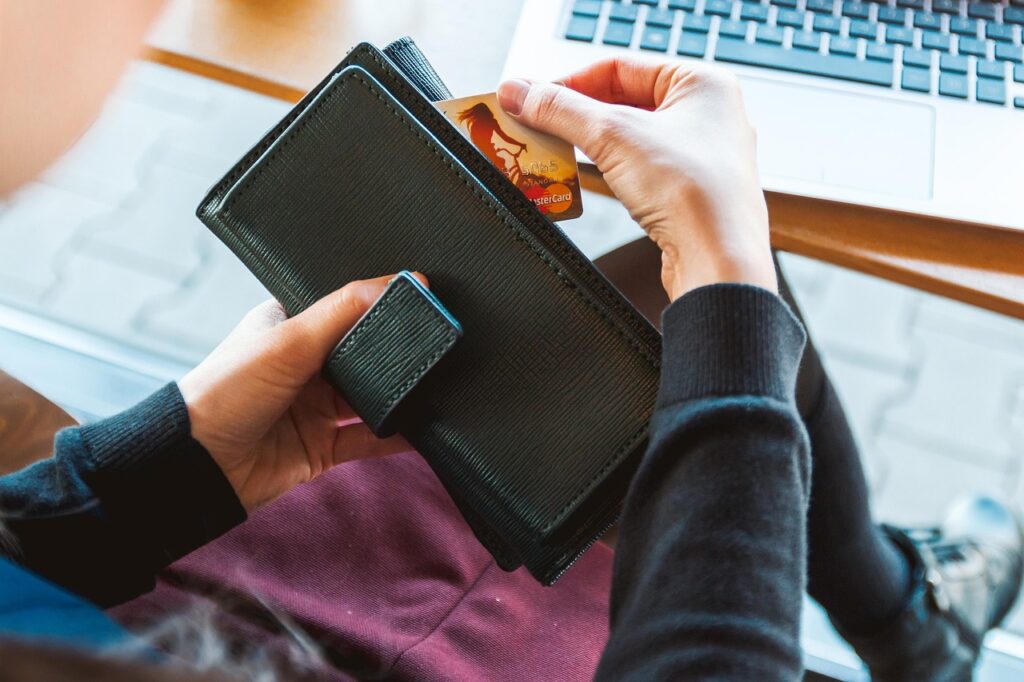

Many people assume that using a digital wallet is inherently secure and convenient, but this assumption can be misleading. Choosing the right approach to digital wallets matters because it directly affects the security of personal and financial information. Without proper understanding and precautions, users may expose themselves to financial loss and identity theft. Furthermore, the convenience of digital wallets can quickly turn into a hassle if not set up correctly. The right approach ensures that transactions are smooth, and the risk of errors or fraud is minimized. Properly managing digital wallets is essential for a secure and convenient payment experience.
📝 What's In This Article
Defining Digital Wallets
Digital wallets, also known as e-wallets – electronic devices or software programs that store payment information (credit card, debit card, etc.) and allow users to make transactions online or in-person using a computer or a mobile device, are becoming increasingly popular. To compare different digital wallet options effectively, readers need to understand key terms such as tokenization – the process of replacing sensitive payment information with unique tokens, and two-factor authentication – a security process that requires two different authentication methods to access an account. Understanding these concepts is crucial for evaluating the security and functionality of digital wallets.
To evaluate different digital wallets, several key metrics need to be considered. The following table outlines some of the most important factors, including compatibility – the ability of a digital wallet to work with different devices or platforms, security features – such as encryption and authentication methods, transaction limits – the maximum amount that can be spent using the wallet, and customer support – the availability and quality of help provided by the wallet provider.
| Digital Wallet | Security Features | Compatibility | Transaction Limits | Customer Support |
|---|---|---|---|---|
| Apple Pay | Tokenization, Two-Factor Authentication | iOS, watchOS, macOS | Varies by Bank | 24/7 Online Support |
| Google Pay | Tokenization, Two-Factor Authentication | Android, iOS | Varies by Bank | 24/7 Online Support |
| PayPal | Encryption, Two-Factor Authentication | Web, iOS, Android | Varies by Account Type | 24/7 Phone and Online Support |
| Samsung Pay | Tokenization, Fingerprint Authentication | Android (Samsung Devices) | Varies by Bank | 24/7 Online Support |
Major Digital Wallet Developments
Apple Pay
Apple Pay is a digital wallet service by Apple that allows users to make payments in person, in apps, and online. It is known for its ease of use and high level of security, utilizing tokenization and two-factor authentication to protect user information. Apple Pay works with a wide range of banks and can be used on various Apple devices, including iPhones, Apple Watches, and Macs.
- Why It Works:
- Wide acceptance at retail locations and online stores
- Easy to set up and use
- High level of security with tokenization and two-factor authentication
- Hurdles to Overcome:
- Limited to Apple devices, which may not be compatible with all banks or merchants
- Transaction limits may vary by bank
Best for: iPhone and Apple device users looking for a convenient and secure payment method.
Google Pay
Google Pay is a digital wallet platform developed by Google that allows users to make payments online and in-store using their Android or iOS devices. It offers tokenization for secure transactions and is compatible with a wide range of banks and merchants, making it a versatile option for many users.
- Why It Works:
- Wide compatibility across different devices and platforms
- Easy to set up and use, with a simple and intuitive interface
- Supports both in-app and online transactions
- Hurdles to Overcome:
- Security concerns with rooted or jailbroken devices
- Some banks may have specific requirements or restrictions
Best for: Users who prefer a digital wallet with broad compatibility across different devices and platforms.
PayPal
PayPal is a well-established online payment system that also functions as a digital wallet, allowing users to store their payment information securely and make transactions online. It is known for its encryption technology and two-factor authentication, providing a high level of security for users. wellestablished online payment
- Why It Works:
- Widely accepted by online merchants and stores
- Offers buyer and seller protection for added security
- Easy to use for online transactions
- Hurdles to Overcome:
- Transaction fees may apply for certain types of transactions
- Customer support can sometimes be difficult to reach
Best for: Online shoppers and businesses looking for a secure and widely accepted payment method.
Samsung Pay
Samsung Pay is a digital wallet service provided by Samsung, designed specifically for Samsung devices. It uses magnetic secure transmission (MST) technology, which mimics the swipe of a physical card, and near field communication (NFC), allowing for contactless payments at most payment terminals.
- Why It Works:
- Works at nearly all payment terminals, including those that don’t support NFC
- Offers a high level of security with tokenization and fingerprint authentication
- Convenient for users with Samsung devices
- Hurdles to Overcome:
- Limited to Samsung devices, which may not be as widely used as other brands
- May require specific software updates for full functionality
Best for: Samsung device users seeking a digital wallet with broad acceptance at retail locations.
Amazon Pay
Amazon Pay is a digital wallet service by Amazon that allows users to make payments online and in some physical stores using the payment methods stored in their Amazon accounts. It utilizes encryption for secure transactions and is known for its ease of use, especially for Amazon customers.
- Why It Works: learn how this works
- Fast and convenient checkout process for Amazon and other online purchases
- Secure transactions with encryption technology
- Wide acceptance among online merchants
- Hurdles to Overcome:
- Primarily designed for online transactions, with limited in-store acceptance
- May require an Amazon account for full functionality
Best for: Frequent Amazon shoppers and online buyers looking for a quick and secure checkout experience.
| Option | Best For | Difficulty | Cost | Speed |
|---|---|---|---|---|
| Apple Pay | iPhone Users | Easy | No Fees | Fast |
| Google Pay | Android Users | Easy | No Fees | Fast |
| PayPal | Online Shoppers | Medium | Varying Fees | Medium |
| Samsung Pay | Samsung Device Users | Easy | No Fees | Fast |
| Amazon Pay | Amazon Shoppers | Easy | No Fees | Fast |
How to Choose the Right One
Choosing the right digital wallet involves considering several key factors, including compatibility with your device, security features to protect your transactions, transaction limits that fit your spending habits, and customer support in case you encounter any issues. Evaluating these aspects will help narrow down the options to the one that best suits your needs.
Security is perhaps the most critical factor when selecting a digital wallet. Look for wallets that offer advanced security features such as tokenization, encryption, and two-factor authentication. These technologies significantly reduce the risk of fraud and unauthorized access to your financial information.
Convenience is another essential aspect to consider. The best digital wallet for you should be easy to set up and use, with a user-friendly interface that makes transactions straightforward. Additionally, consider the types of transactions you make most often – whether in-app, online, or in-store – and choose a wallet that supports these transaction types seamlessly. another essential aspect
Fees and Costs associated with using a digital wallet can vary. While many digital wallets do not charge fees for transactions, some may have fees for certain services, such as transferring money or using a credit card. Understanding these costs can help you choose a wallet that aligns with your budget and usage patterns.
Lastly, consider the acceptance and availability of the digital wallet. Look for wallets that are widely accepted by merchants both online and in-store. A wallet with broad acceptance ensures that you can use it in various situations, making it a more practical choice for daily use.
What This Means in Practice
Picking the right digital wallet can significantly enhance your payment experience, making transactions faster, more convenient, and highly secure. With the right digital wallet, you can enjoy the benefit of contactless payments, which are not only convenient but also more hygienic, reducing the need to touch payment terminals or exchange cash.
A good digital wallet also provides protection against fraud, giving users peace of mind when making transactions. Advanced security features such as tokenization and two-factor authentication ensure that even if a transaction is intercepted, the information cannot be used for fraudulent purposes.
Moreover, using a digital wallet can streamline your shopping experience, especially online. With payment information securely stored, checking out becomes a much quicker process, reducing the time spent on transactions and minimizing the risk of cart abandonment due to lengthy checkout processes.
Digital wallets can also offer rewards and cashback for certain transactions, which can be a significant benefit for frequent users. By accumulating points or receiving a percentage of their spending back, users can enjoy additional savings or benefits that traditional payment methods may not offer.
Furthermore, digital wallets can provide a record of transactions, making it easier to track spending and manage finances. This feature is particularly useful for budgeting and identifying areas where expenses can be reduced or optimized.
In addition, the use of digital wallets can reduce the need to carry physical cards or cash, minimizing the risk of loss or theft. This convenience, combined with the security features of digital wallets, makes them an attractive option for those looking to simplify their payment methods.
The Bottom Line
The decision to use a digital wallet should be based on a careful evaluation of your needs, including the types of transactions you make most often, the devices you use, and the level of security you require. By considering these factors and comparing the features of different digital wallets, you can choose the one that best fits your lifestyle and provides a secure, convenient payment experience.
Ultimately, the right digital wallet can enhance your financial management, provide peace of mind through advanced security measures, and make your daily transactions easier and faster. Whether you are looking for simplicity, security, or rewards, there is a digital wallet designed to meet your specific needs.
As technology continues to evolve, digital wallets are likely to become even more integral to our daily lives, offering new features and benefits that will further simplify and secure our financial transactions.