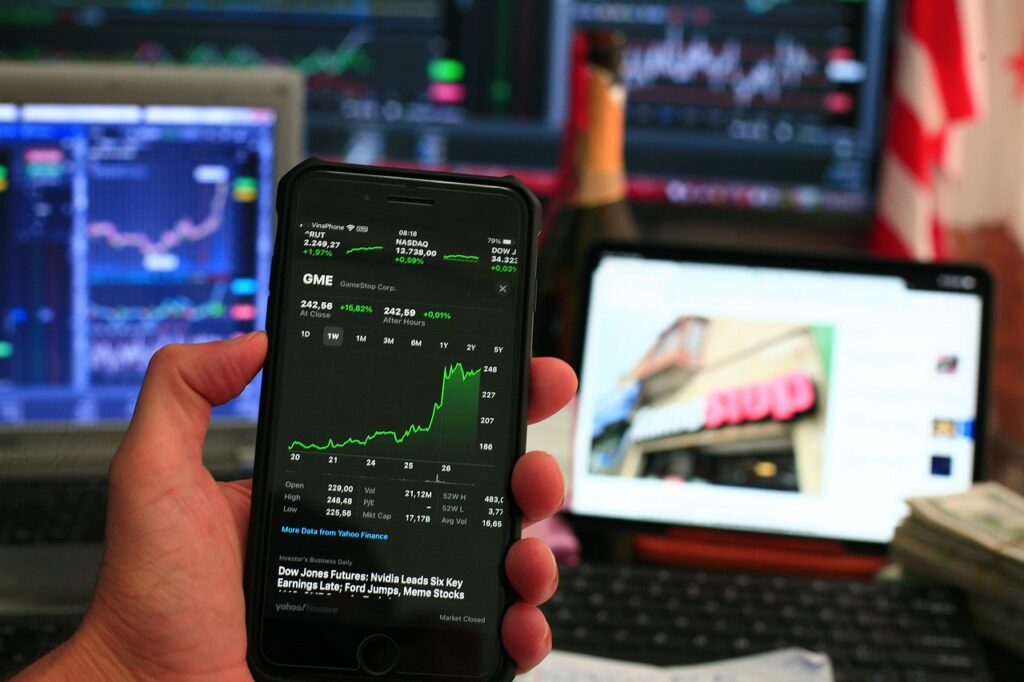

The stock market is fundamentally altering the way businesses operate and individuals invest, presenting both significant opportunities and daunting challenges for those involved. One of the most frustrating problems investors face is the unpredictability of the market, where sudden dips and surges can drastically affect the value of their investments. Despite the wealth of information available, making informed decisions that yield consistent returns remains a elusive goal for many. The ever-changing landscape of economic policies, technological advancements, and global events adds to the complexity, making it difficult for investors to keep pace. Whether one is a seasoned investor or just starting out, the stock market’s inherent volatility is a constant source of concern.
📝 Article Overview
Common Challenges With Defining Stock Market
Volatility and Risk
Volatility is a hallmark of the stock market, where prices can fluctuate rapidly, leading to potential losses for unprepared investors. This volatility arises from a multitude of factors, including economic indicators, political stability, and even social media trends. The risk associated with these fluctuations can deter potential investors, especially those who are risk-averse or lack a comprehensive understanding of market dynamics.
Lack of Transparency
A common challenge faced by investors is the lack of transparency in certain investment opportunities. Some companies may not provide clear financial reports or may engage in practices that obscure the true state of their financial health. This lack of transparency can lead to poor investment decisions, as investors may not have access to all the information they need to assess the potential risks and rewards of an investment.
Information Overload
The sheer amount of information available about the stock market can be overwhelming. Investors are bombarded with news, analysis, and advice from various sources, making it difficult to discern what information is relevant and reliable. This information overload can lead to analysis paralysis, where investors are unable to make decisions due to the complexity of the data they are faced with. information available about
Emotional Decision Making
Emotions play a significant role in investment decisions, with fear and greed being two of the most common emotional drivers. Fear can lead to selling stocks too early, missing out on potential gains, while greed can result in holding onto stocks for too long, risking significant losses. The ability to separate emotions from investment decisions is crucial but often challenging for many investors.
Economic and Political Uncertainty
Economic and political uncertainty can have a profound impact on the stock market. Changes in government policies, elections, and global economic trends can all influence market performance. Investors must stay informed about these factors and adjust their strategies accordingly, but the unpredictability of these events can make it difficult to anticipate their effects on the market.
Top Stock Market Innovations to Know
1. Artificial Intelligence in Trading
Artificial intelligence (AI) is being increasingly used in stock market trading to analyze vast amounts of data, predict market trends, and make trades at speeds and frequencies that human traders cannot match. Implementing AI in trading involves selecting the appropriate AI algorithms, integrating them with existing trading platforms, and continuously updating the system to adapt to changing market conditions. This can be done by collaborating with AI development firms or by acquiring AI-powered trading software.
- Strengths:
- Enhanced trading speed and efficiency
- Improved predictive accuracy through data analysis
- Ability to operate 24/7 without human intervention
2. Blockchain Technology for Security
Blockchain technology is being explored for its potential to enhance security in stock market transactions. By providing a transparent, immutable record of transactions, blockchain can help prevent fraud and ensure that all trades are legitimate and accurately recorded. Implementing blockchain involves developing or integrating blockchain-based platforms into existing trading systems, which requires significant technological expertise and investment.
- Strengths:
- Enhanced transaction security through encryption and immutability
- Increased transparency in all transactions
- Potential for reduced transaction costs and increased efficiency
3. Sustainable Investing
Sustainable investing, also known as environmental, social, and governance (ESG) investing, is becoming increasingly popular. It involves selecting investments based on their environmental, social, and governance impact, in addition to their financial performance. Implementing sustainable investing strategies requires thorough research into companies’ ESG practices and a commitment to prioritizing these factors in investment decisions.
- Strengths:
- Alignment of investments with personal values and ethical standards
- Potential for long-term financial stability and growth
- Contribution to global sustainability and social welfare
4. Robo-Advisors for Investment Management
Robo-advisors are digital platforms that provide automated, algorithm-driven financial planning services with little to no human supervision. They offer diversified investment portfolios, tax optimization strategies, and low fees, making them an attractive option for many investors. Implementing a robo-advisor involves selecting a reputable provider, funding an account, and allowing the algorithm to manage investments based on predetermined criteria.
- Strengths:
- Lower costs compared to traditional financial advisors
- Efficient diversification and portfolio management
- Accessibility and ease of use for beginners and experienced investors alike
5. Financial Education and Literacy
Improving financial education and literacy is crucial for navigating the stock market successfully. This involves acquiring knowledge about different types of investments, understanding risk management strategies, and staying updated on market trends and economic indicators. Implementing financial education can be achieved through online courses, workshops, and reading financial literature.
- Strengths:
- Empowerment to make informed investment decisions
- Reduced risk of financial loss due to lack of knowledge
- Increased confidence in managing personal finances and investments
6. Crowdfunding as an Alternative Investment
Crowdfunding has emerged as an alternative method for companies to raise capital and for individuals to invest in projects they believe in. It bypasses traditional funding routes, offering a more direct and often more engaging way to support new ideas and businesses. Implementing crowdfunding involves selecting a reputable platform, evaluating potential investments, and contributing funds to support chosen projects.
- Strengths:
- Access to a wide range of innovative projects and companies
- Potential for high returns on investment, though with higher risk
- Opportunity to support projects that align with personal interests and values
| Approach | Old Way | Better Way | Result |
|---|---|---|---|
| Investment Strategy | Traditional stock picking based on intuition | Diversified portfolio with AI-driven analysis | Increased potential for consistent returns |
| Transaction Security | Manual record-keeping and paper-based transactions | Blockchain technology for secure and transparent transactions | Reduced risk of fraud and increased investor confidence |
| Financial Education | Reliance on financial advisors for all decisions | Self-directed learning and financial literacy | Empowered investors capable of making informed decisions |
| Investment Access | High barriers to entry for new investors | Crowdfunding and robo-advisors for accessibility | Democratization of investment opportunities |
| Risk Management | Emotional decision-making based on market volatility | Systematic risk assessment and strategic portfolio rebalancing | Reduced risk of significant losses and increased stability |
Real-World Benefits
A notable example of the real-world benefits of embracing stock market innovations can be seen in the success of investors who diversified their portfolios using AI-driven analysis. By doing so, they were able to navigate the market’s volatility more effectively, resulting in consistent returns despite the unpredictable nature of the market.
Another example is the growth of sustainable investing, where companies prioritizing ESG factors have seen not only a positive social and environmental impact but also long-term financial stability and growth, attracting a new wave of conscious investors.
The implementation of blockchain technology in stock market transactions has also shown promising results, with increased security and transparency leading to higher investor confidence and reduced instances of fraud.
The accessibility provided by robo-advisors has democratized investment opportunities, allowing a broader range of individuals to participate in the stock market, including those who were previously deterred by high fees or lack of knowledge.
Furthermore, the emphasis on financial education and literacy has empowered a new generation of investors, enabling them to make informed decisions and manage their investments more effectively, reducing the risk of financial loss due to lack of knowledge.
Step-by-Step Action Plan
- Start by educating yourself about the basics of the stock market, including types of investments, risk management strategies, and market trends, because understanding these fundamentals is crucial for making informed investment decisions. This foundation will help you navigate the complexities of the market with confidence.
- Assess your financial goals and risk tolerance to determine the most appropriate investment strategy for your situation, as this will guide your decisions on which investments to pursue and how to allocate your resources. A clear understanding of your objectives and limitations is essential for a successful investment path.
- Explore and select a reputable robo-advisor or financial platform that aligns with your investment goals and offers the services you need, such as diversified portfolios, tax optimization, and low fees, because these platforms can provide a cost-effective and efficient way to manage your investments. Carefully evaluating the features and benefits of different platforms will help you make the best choice for your needs.
- Consider diversifying your portfolio by including sustainable investments or crowdfunding projects that support causes you believe in, as these can offer not only financial returns but also a sense of contributing to positive change. This approach can help you align your investments with your personal values and potentially reduce risk through diversification.
- Stay updated on market trends and economic indicators, and be prepared to adjust your investment strategy as needed, because the ability to adapt to changing market conditions is key to long-term success. Regularly reviewing your investments and staying informed about market developments will help you make timely and informed decisions.
- Implement a systematic approach to risk management, including regular portfolio rebalancing and stop-loss orders, to protect your investments from significant losses and ensure stability. This proactive approach will help you mitigate risk and maintain your investment goals even in volatile market conditions.
- Finally, continuously evaluate and improve your investment knowledge and strategies, seeking advice from financial experts when necessary, because ongoing education and professional guidance can provide valuable insights and help you refine your investment approach. By committing to lifelong learning and seeking expert advice, you can stay ahead of the curve and achieve your long-term financial objectives.
Final Thoughts
The stock market presents a dynamic and complex environment that requires investors to be informed, adaptable, and strategic. By embracing innovations such as AI, blockchain, and sustainable investing, and by prioritizing financial education and literacy, investors can navigate the challenges of the market more effectively. The future of the stock market is likely to be shaped by technological advancements, changing investor preferences, and global economic trends, making it an exciting and potentially rewarding space for those who are prepared to engage with it. As the market continues to evolve, the ability to learn, adapt, and innovate will be crucial for achieving success and realizing long-term financial goals.