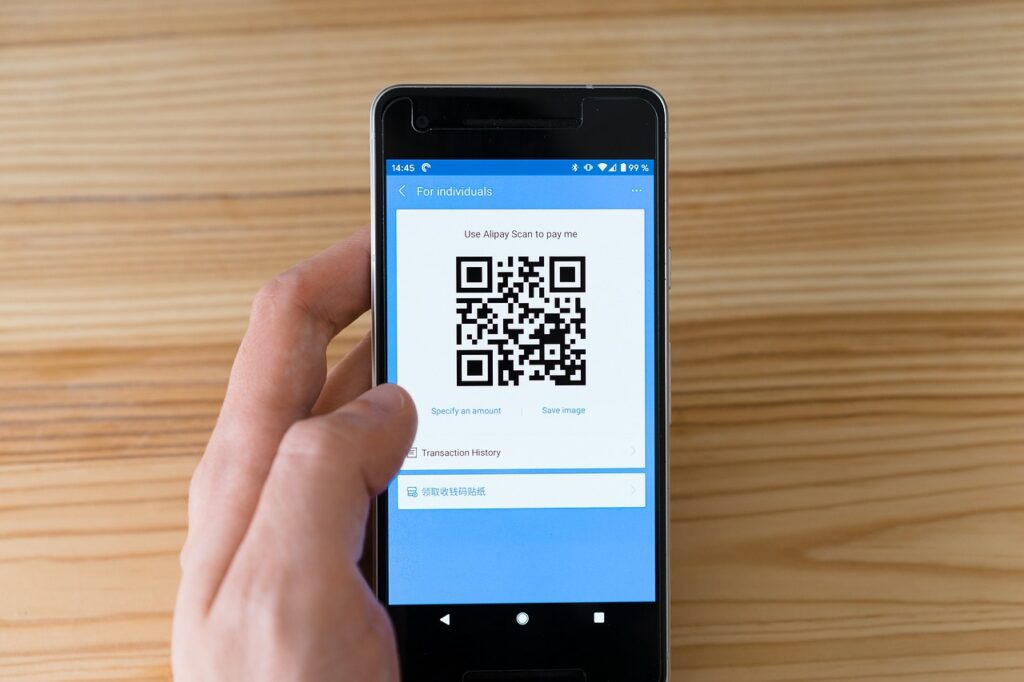

Online payment apps are gaining attention right now due to their ability to provide users with a convenient, fast, and secure way to make transactions – using digital technologies (computer-based systems) to facilitate financial exchanges. This is particularly important in today’s digital age, where consumers expect to be able to make payments quickly and easily – using mobile devices (portable computers) and the internet (global network of interconnected computers). The rise of online payment apps has also been driven by the increasing demand for contactless payments (transactions that do not require physical contact between the buyer and the seller), which has been accelerated by the COVID-19 pandemic – a global health crisis caused by a virus. As a result, online payment apps have become an essential tool for both individuals and businesses – commercial organizations that provide goods or services. With the help of these apps, users can make payments, transfer money, and even invest in stocks (units of ownership in companies) and cryptocurrencies (digital currencies) – all from the comfort of their own homes. The use of online payment apps is also becoming more widespread, with many businesses now accepting digital payments (transactions made using digital technologies) as a primary method of payment.
📝 Quick Navigation
Breaking Down Online Payment Apps
Online payment apps, also known as digital wallets (software programs that store and manage digital payment information), are applications that allow users to make payments, transfer money, and store their payment information – such as credit card numbers (unique identifiers for credit cards) and bank account details (information about a user’s bank account). These apps use encryption (the process of converting data into a code to protect it from unauthorized access) and other security measures (protections against unauthorized access or malicious activity) to protect user data and prevent fraud (intentional deception or theft). Online payment apps can be used for a variety of transactions, including online shopping (purchasing goods or services over the internet), in-store purchases (buying goods or services in a physical store), and person-to-person payments (transfers of money between individuals). Some popular examples of online payment apps include PayPal (a digital payment system), Apple Pay (a mobile payment service), and Google Pay (a digital wallet service).
The following table compares some of the most popular online payment apps:
| App | Features | Security | Fees |
|---|---|---|---|
| PayPal | Online payments, in-store purchases, person-to-person payments | Encryption, two-factor authentication (a security process that requires two forms of verification) | 2.9% + $0.30 per transaction |
| Apple Pay | In-store purchases, online payments | Encryption, Touch ID (a biometric authentication system), Face ID (a facial recognition system) | No fees for users |
| Google Pay | In-store purchases, online payments, person-to-person payments | Encryption, two-factor authentication | No fees for users |
Latest Online Payment Technologies
Mobile Payments
Mobile payments are transactions that are made using a mobile device – such as a smartphone (a portable computer with internet capabilities) or a tablet (a portable computer with a touch screen). These payments can be made using a variety of methods, including near-field communication (NFC – a technology that allows devices to communicate with each other when they are close together), QR codes (matrix barcodes that can be read by a mobile device), and SMS (short message service – a way of sending text messages between mobile devices). Mobile payments are becoming increasingly popular, as they offer users a convenient and secure way to make transactions.
Mobile payments work by using a digital wallet or a mobile payment app to store payment information – such as credit card numbers and bank account details. When a user wants to make a payment, they can simply open the app and select the payment method they want to use. The app will then generate a unique code or token that can be used to complete the transaction.
- Convenience: Mobile payments are quick and easy to use, and can be made from anywhere with a mobile device.
- Security: Mobile payments use encryption and other security measures to protect user data and prevent fraud.
- Accessibility: Mobile payments can be used by anyone with a mobile device and an internet connection.
Why It Works: see what this offers
Blockchain Payments
Blockchain payments are transactions that are made using a blockchain – a decentralized, digital ledger (a record of transactions) that is maintained by a network of computers. Blockchain payments are secure, transparent, and immutable (cannot be changed), making them an attractive option for users who want to make secure and private transactions.
Blockchain payments work by using a digital wallet or a blockchain payment app to store payment information – such as cryptocurrency addresses (unique identifiers for cryptocurrency transactions) and private keys (secret codes used to access and manage cryptocurrency). When a user wants to make a payment, they can simply open the app and select the payment method they want to use. The app will then generate a unique code or token that can be used to complete the transaction.
- Security: Blockchain payments use advanced cryptography (the practice of secure communication by encrypting data) and a decentralized network to protect user data and prevent fraud.
- Transparency: Blockchain payments are recorded on a public ledger, making them transparent and accountable.
- Immutability: Blockchain payments are immutable, meaning that once a transaction is made, it cannot be changed or deleted.
Why It Works:
Contactless Payments
Contactless payments are transactions that are made without the need for physical contact between the buyer and the seller. These payments can be made using a variety of methods, including NFC, QR codes, and SMS. Contactless payments are becoming increasingly popular, as they offer users a convenient and secure way to make transactions.
Contactless payments work by using a digital wallet or a contactless payment app to store payment information – such as credit card numbers and bank account details. When a user wants to make a payment, they can simply open the app and select the payment method they want to use. The app will then generate a unique code or token that can be used to complete the transaction.
- Convenience: Contactless payments are quick and easy to use, and can be made from anywhere with a mobile device.
- Security: Contactless payments use encryption and other security measures to protect user data and prevent fraud.
- Hygiene: Contactless payments eliminate the need for physical contact, making them a more hygienic option for users.
Why It Works:
Biometric Payments
Biometric payments are transactions that are made using biometric data – such as fingerprints (unique patterns of lines and creases on an individual’s fingers), facial recognition (the use of facial features to identify an individual), or voice recognition (the use of an individual’s voice to identify them). Biometric payments are secure and convenient, as they eliminate the need for passwords (secret codes used to access and manage digital information) and other forms of authentication (the process of verifying an individual’s identity).
Biometric payments work by using a digital wallet or a biometric payment app to store biometric data. When a user wants to make a payment, they can simply use their biometric data to authenticate the transaction.
- Security: Biometric payments use advanced biometric technologies to protect user data and prevent fraud.
- Convenience: Biometric payments eliminate the need for passwords and other forms of authentication.
- Accessibility: Biometric payments can be used by anyone with a mobile device and an internet connection.
Why It Works:
Artificial Intelligence Payments
Artificial intelligence (AI – the use of computer systems to perform tasks that would typically require human intelligence) payments are transactions that are made using AI-powered systems. These payments can be made using a variety of methods, including chatbots (computer programs that use AI to simulate human conversation), virtual assistants (computer programs that use AI to perform tasks and answer questions), and machine learning algorithms (computer programs that use AI to learn and improve over time). AI payments are becoming increasingly popular, as they offer users a convenient and personalized way to make transactions.
AI payments work by using a digital wallet or an AI payment app to store payment information – such as credit card numbers and bank account details. When a user wants to make a payment, they can simply use the app to initiate the transaction. The app will then use AI-powered systems to authenticate the transaction and complete the payment.
- Convenience: AI payments are quick and easy to use, and can be made from anywhere with a mobile device.
- Personalization: AI payments use machine learning algorithms to learn a user’s payment habits and preferences, making them a more personalized option.
- Security: AI payments use advanced AI-powered systems to protect user data and prevent fraud.
Why It Works:
Why People Are Paying Attention
✔ Convenience: Online payment apps offer users a convenient way to make transactions, without the need for cash or physical credit cards.
Online payment apps are easy to use and can be accessed from anywhere with a mobile device and an internet connection. This makes them a popular choice for users who want to make transactions quickly and easily. Online payment apps
✔ Security: Online payment apps use advanced security measures to protect user data and prevent fraud.
Online payment apps use encryption, two-factor authentication, and other security measures to protect user data and prevent unauthorized access. This makes them a secure option for users who want to make transactions online.
✔ Speed: Online payment apps allow users to make transactions quickly and easily, without the need for physical credit cards or cash.
Online payment apps are fast and convenient, making them a popular choice for users who want to make transactions quickly. This is particularly important for businesses, which need to be able to process transactions quickly and efficiently in order to remain competitive.
✔ Accessibility: Online payment apps can be used by anyone with a mobile device and an internet connection.
Online payment apps are accessible to anyone with a mobile device and an internet connection, making them a popular choice for users who want to make transactions from anywhere. This is particularly important for users who live in areas with limited access to traditional banking services.
✔ Low Fees: Online payment apps often have lower fees than traditional payment methods, making them a cost-effective option for users.
Online payment apps often have lower fees than traditional payment methods, such as credit cards and bank transfers. This makes them a cost-effective option for users who want to make transactions without incurring high fees.
✔ Rewards and Incentives: Online payment apps often offer rewards and incentives to users, such as cashback and discounts.
Online payment apps often offer rewards and incentives to users, such as cashback and discounts. This makes them a popular choice for users who want to make transactions and earn rewards at the same time.
Where This Is Headed
- Predicted growth in the use of online payment apps, as more users become comfortable with digital payments and the benefits they offer.
- Increased adoption of contactless payments, as users become more comfortable with the idea of making transactions without physical contact.
- Greater use of biometric payments, as users become more comfortable with the idea of using biometric data to authenticate transactions.
- More emphasis on security, as online payment apps continue to evolve and become more sophisticated.
- Greater use of AI and machine learning, as online payment apps become more personalized and intuitive.
The use of online payment apps is expected to grow in the coming years, as more users become comfortable with digital payments and the benefits they offer. This growth will be driven by the increasing demand for convenience, speed, and security in transactions.
The growth of online payment apps will also be driven by the development of new technologies, such as blockchain and AI, which will make digital payments even more secure and convenient.
Contactless payments are becoming increasingly popular, as users become more comfortable with the idea of making transactions without physical contact. This trend is expected to continue in the coming years, as more businesses adopt contactless payment technologies.
The adoption of contactless payments will also be driven by the development of new technologies, such as NFC and QR codes, which will make it easier for users to make transactions without physical contact. contactless payments will
Biometric payments are becoming increasingly popular, as users become more comfortable with the idea of using biometric data to authenticate transactions. This trend is expected to continue in the coming years, as more businesses adopt biometric payment technologies.
The use of biometric payments will also be driven by the development of new technologies, such as facial recognition and voice recognition, which will make it easier for users to authenticate transactions using biometric data.
Security is a top priority for online payment apps, as users become more aware of the risks associated with digital payments. This trend is expected to continue in the coming years, as online payment apps continue to evolve and become more sophisticated.
The emphasis on security will also be driven by the development of new technologies, such as encryption and two-factor authentication, which will make digital payments even more secure.
AI and machine learning are becoming increasingly important in online payment apps, as they enable more personalized and intuitive experiences for users. This trend is expected to continue in the coming years, as online payment apps become more sophisticated and user-friendly.
The use of AI and machine learning will also be driven by the development of new technologies, such as chatbots and virtual assistants, which will make it easier for users to interact with online payment apps and make transactions.
The following table shows the projected growth of online payment apps in the next five years:
| Year | Number of Users | Transaction Value |
|---|---|---|
| 2023 | 100 million | $1 trillion |
| 2024 | 150 million | $1.5 trillion |
| 2025 | 200 million | $2 trillion |
| 2026 | 250 million | $2.5 trillion |
Closing Thoughts
Online payment apps are revolutionizing the way we make transactions, offering users a convenient, fast, and secure way to pay for goods and services. As these apps continue to evolve and improve, we can expect to see even more innovative features and technologies emerge. With the rise of digital payments, it’s essential for businesses to adapt and offer their customers a seamless and secure payment experience. By understanding the latest trends and technologies in online payment apps, businesses can stay ahead of the curve and provide their customers with the best possible payment experience.
The future of online payment apps looks bright, with new technologies and innovations emerging all the time. As users become more comfortable with digital payments, we can expect to see even more widespread adoption of online payment apps. With their convenience, speed, and security, online payment apps are set to become an essential part of our daily lives.
To wrap up, online payment apps are an exciting and rapidly evolving field, with new developments and innovations emerging all the time. By staying up-to-date with the latest trends and technologies, businesses and users can take advantage of the many benefits that online payment apps have to offer.