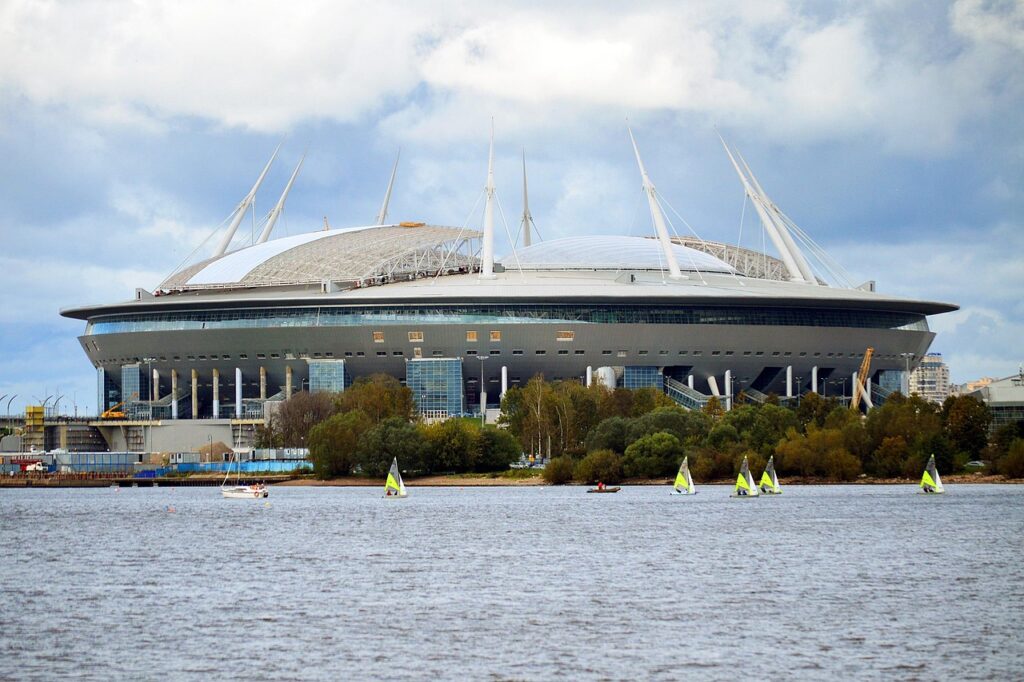

The FIFA World Cup has undergone significant transformations since its inception in 1930, from a modest 13-team tournament to a global spectacle featuring 32 national teams and a massive following. Before the 1980s, the tournament was largely dominated by European and South American teams, but the expansion and globalization of the sport have led to increased participation and competitiveness from teams around the world. This shift is evident in the growing number of teams from Africa and Asia participating in the tournament. The 2018 FIFA World Cup in Russia, for example, saw the participation of teams like Senegal and Japan, which made significant impacts in the tournament. The economic and social impacts of the World Cup are substantial, with host countries investing heavily in infrastructure development and experiencing significant boosts in tourism and local economic activity. However, the tournament also raises concerns about the exploitation of workers, environmental degradation, and the displacement of local communities. The FIFA World Cup is a complex phenomenon that reflects both the positive and negative aspects of globalization and international cooperation.
The tournament’s format, rules, and regulations have also evolved over the years, with an increasing emphasis on player safety, fair play, and fan engagement. The introduction of advanced technologies such as video assistant referees (VARs) has improved the accuracy of refereeing decisions and enhanced the overall viewing experience. Despite these advancements, the FIFA World Cup remains a highly politicized and contentious event, with allegations of corruption, match-fixing, and discriminatory practices continuing to plague the sport. Nevertheless, the tournament’s enduring popularity and influence are undeniable, with millions of fans worldwide eagerly anticipating each new edition of the competition.
The cultural significance of the FIFA World Cup extends far beyond the sport itself, with the tournament often serving as a platform for national pride, identity, and social commentary. The event has been used to promote international understanding, cultural exchange, and social justice, with many teams and players using their platforms to raise awareness about important issues such as racism, inequality, and environmental sustainability. The economic impact of the World Cup is also substantial, with the tournament generating billions of dollars in revenue from broadcasting rights, sponsorships, and merchandise sales. However, the distribution of these revenues is often uneven, with a significant proportion going to FIFA, national football associations, and corporate sponsors, rather than to the players, teams, or local communities.
As the FIFA World Cup continues to evolve and grow, it is essential to consider the historical, social, and economic contexts that shape the tournament and its impact on the world. By examining the complexities and challenges of the World Cup, we can gain a deeper understanding of the sport’s significance and its potential to promote positive change and social progress.
📝 Quick Navigation
The Basics of FIFA World Cup
The FIFA World Cup is an international soccer tournament held every four years, featuring national teams from around the world. The tournament is organized by the Fédération Internationale de Football Association (FIFA), the governing body of international soccer. The World Cup is the most widely viewed and followed sporting event globally, with an estimated 3.5 billion people watching the 2018 tournament in Russia.
The history of the FIFA World Cup dates back to 1930, when the first tournament was held in Uruguay. The tournament was initially contested by 13 teams from Europe and the Americas, but it has since expanded to include teams from Africa, Asia, and Oceania. The World Cup has been held every four years since 1930, with the exception of 1942 and 1946, when the tournament was cancelled due to World War II.
The FIFA World Cup has a significant impact on the sport of soccer, with the tournament serving as a platform for national teams to compete against each other and for players to showcase their skills. The tournament also has a substantial economic impact, with host countries investing heavily in infrastructure development and experiencing significant boosts in tourism and local economic activity. The following table compares the participation and performance of different regions in the FIFA World Cup:
| Region | Number of Teams | World Cup Titles | Runners-up |
|---|---|---|---|
| Europe | 55 | 12 | 16 |
| South America | 10 | 9 | 5 |
| Africa | 10 | 0 | 1 |
| Asia | 15 | 0 | 0 |
Core FIFA World Cup Approaches
Team Preparation and Strategy
Team preparation and strategy are crucial components of success in the FIFA World Cup. National teams invest significant time and resources in preparing for the tournament, with coaches and players working together to develop effective game plans and tactics. The introduction of advanced technologies such as data analytics and sports science has also improved team preparation, with coaches able to analyze player performance and develop targeted training programs.
The development of effective team strategies is also critical, with coaches needing to balance the strengths and weaknesses of their players to achieve success. This may involve adopting different formations, using specific tactics to exploit opponents’ weaknesses, and making strategic substitutions to change the course of the game. The following are some reasons why team preparation and strategy are essential:
- Why It Works: Improved team cohesion and communication, allowing players to work together more effectively and achieve common goals.
- Why It Works: Enhanced player performance, resulting from targeted training programs and the use of advanced technologies such as data analytics and sports science.
- Why It Works: Increased flexibility and adaptability, enabling teams to respond to changing circumstances and adjust their strategies accordingly.
Player Development and Talent Identification
Player development and talent identification are critical components of success in the FIFA World Cup. National teams invest significant time and resources in identifying and developing talented young players, with coaches and scouts working together to identify potential stars and provide them with the support and guidance they need to succeed.
The development of effective player development programs is essential, with coaches and trainers needing to provide players with the skills, knowledge, and experience they need to compete at the highest level. This may involve providing players with access to advanced training facilities and equipment, as well as opportunities to compete against top-level opponents and gain valuable experience. The following are some reasons why player development and talent identification are essential:
- Why It Works: Improved player skills and knowledge, resulting from targeted training programs and access to advanced facilities and equipment.
- Why It Works: Enhanced player confidence and motivation, resulting from the opportunity to compete against top-level opponents and gain valuable experience.
- Why It Works: Increased competitiveness and success, resulting from the identification and development of talented young players who can make a significant impact on the team.
Tactical Innovations and Adaptations
Tactical innovations and adaptations are critical components of success in the FIFA World Cup. National teams need to be able to adapt to changing circumstances and respond to the tactics and strategies employed by their opponents. The introduction of advanced technologies such as data analytics and sports science has also improved team tactics, with coaches able to analyze opponent strengths and weaknesses and develop targeted strategies to exploit them.
The development of effective tactical innovations and adaptations is essential, with coaches needing to balance the strengths and weaknesses of their players to achieve success. This may involve adopting different formations, using specific tactics to exploit opponents’ weaknesses, and making strategic substitutions to change the course of the game. The following are some reasons why tactical innovations and adaptations are essential:
- Why It Works: Improved team flexibility and adaptability, enabling teams to respond to changing circumstances and adjust their strategies accordingly.
- Why It Works: Enhanced opponent analysis, resulting from the use of advanced technologies such as data analytics and sports science to identify opponent strengths and weaknesses.
- Why It Works: Increased competitiveness and success, resulting from the development of effective tactical innovations and adaptations that can be used to outmaneuver opponents.
Fan Engagement and Experience
Fan engagement and experience are critical components of the FIFA World Cup, with the tournament providing a unique and exciting experience for fans from around the world. The development of effective fan engagement strategies is essential, with national teams and tournament organizers needing to provide fans with a range of activities and experiences that enhance their enjoyment of the tournament.
The use of social media and other digital platforms has also improved fan engagement, with fans able to connect with each other and with their favorite teams and players in new and innovative ways. The following are some reasons why fan engagement and experience are essential:
- Why It Works: Improved fan experience, resulting from the provision of a range of activities and experiences that enhance their enjoyment of the tournament.
- Why It Works: Enhanced fan engagement, resulting from the use of social media and other digital platforms to connect fans with each other and with their favorite teams and players.
- Why It Works: Increased fan loyalty and retention, resulting from the development of effective fan engagement strategies that provide fans with a sense of connection and community.
Host Country Infrastructure and Legacy
Host country infrastructure and legacy are critical components of the FIFA World Cup, with the tournament providing a unique opportunity for host countries to develop their infrastructure and leave a lasting legacy for their citizens. The development of effective infrastructure development strategies is essential, with host countries needing to invest in a range of facilities and services that support the tournament and provide a lasting benefit to the community.
The use of advanced technologies such as sustainable and environmentally-friendly design has also improved host country infrastructure, with host countries able to reduce their environmental impact and provide a more sustainable and responsible tournament experience. The following are some reasons why host country infrastructure and legacy are essential:
- Why It Works: Improved infrastructure development, resulting from the investment in a range of facilities and services that support the tournament and provide a lasting benefit to the community.
- Why It Works: Enhanced sustainability and environmental responsibility, resulting from the use of advanced technologies such as sustainable and environmentally-friendly design.
- Why It Works: Increased economic growth and development, resulting from the investment in infrastructure and the provision of a range of services and facilities that support the tournament.
Why This Matters to You
✔ Global Unity and Cooperation
The FIFA World Cup promotes global unity and cooperation, bringing together people from different countries and cultures to celebrate the beautiful game. The tournament provides a unique opportunity for nations to put aside their differences and come together in a shared experience of excitement and passion. The World Cup also provides a platform for international cooperation and diplomacy, with national teams and governments working together to promote peace and understanding.
✔ Economic Growth and Development Economic Growth
The FIFA World Cup has a significant impact on the economy, with the tournament generating billions of dollars in revenue from broadcasting rights, sponsorships, and merchandise sales. The tournament also provides a boost to local economies, with host countries experiencing significant increases in tourism and economic activity. The World Cup also provides a platform for businesses to promote their products and services, with many companies investing heavily in advertising and sponsorship during the tournament.
✔ Cultural Exchange and Understanding
The FIFA World Cup promotes cultural exchange and understanding, providing a unique opportunity for people from different countries and cultures to come together and learn from each other. The tournament provides a platform for the exchange of ideas and cultures, with national teams and fans sharing their traditions and customs with each other. The World Cup also provides a platform for the promotion of cultural diversity and inclusion, with the tournament celebrating the diversity of cultures and traditions from around the world.
✔ Social Justice and Human Rights
The FIFA World Cup provides a platform for social justice and human rights, with the tournament raising awareness about important issues such as racism, inequality, and environmental sustainability. The World Cup also provides a platform for social activism, with many players and teams using their platforms to promote social justice and human rights. The tournament also provides a platform for the promotion of fair play and sportsmanship, with the World Cup celebrating the values of respect, fair play, and sportsmanship.
✔ Personal Inspiration and Motivation
The FIFA World Cup provides personal inspiration and motivation, with the tournament inspiring people from around the world to pursue their dreams and passions. The World Cup provides a platform for role models and heroes, with many players and teams serving as inspiration for young people and adults alike. The tournament also provides a platform for personal growth and development, with the World Cup promoting the values of hard work, dedication, and perseverance.
✔ Entertainment and Enjoyment
The FIFA World Cup provides entertainment and enjoyment, with the tournament providing a unique and exciting experience for fans from around the world. The World Cup provides a platform for excitement and suspense, with the tournament featuring thrilling matches and unexpected upsets. The tournament also provides a platform for socializing and community-building, with fans coming together to share in the excitement and passion of the game.
Upcoming Trends
- The increasing use of advanced technologies such as artificial intelligence and virtual reality to enhance the fan experience and improve team performance.
- The growing importance of social media and digital platforms in shaping the narrative and discourse around the tournament.
- The increasing focus on sustainability and environmental responsibility in the hosting and organization of the tournament.
- The growing role of television and sponsorship revenue in shaping the commercial and financial aspects of the tournament.
- The increasing importance of fan engagement and experience in shaping the overall success and impact of the tournament.
The use of advanced technologies such as artificial intelligence and virtual reality is expected to continue to grow in the FIFA World Cup, with the tournament providing a platform for innovation and experimentation. The use of these technologies is expected to enhance the fan experience, with fans able to access new and innovative ways to engage with the tournament and their favorite teams and players.
The growing importance of social media and digital platforms is expected to continue to shape the narrative and discourse around the FIFA World Cup, with the tournament providing a platform for fans and teams to connect and engage with each other. The use of social media and digital platforms is expected to increase, with fans and teams using these platforms to share their experiences and perspectives on the tournament.
The increasing focus on sustainability and environmental responsibility is expected to continue to shape the hosting and organization of the FIFA World Cup, with the tournament providing a platform for innovation and experimentation in sustainable and environmentally-friendly design. The use of sustainable and environmentally-friendly design is expected to reduce the environmental impact of the tournament, with host countries and organizers working to minimize their carbon footprint and promote sustainable practices.
The growing role of television and sponsorship revenue is expected to continue to shape the commercial and financial aspects of the FIFA World Cup, with the tournament providing a platform for businesses to promote their products and services. The use of television and sponsorship revenue is expected to increase, with the tournament generating billions of dollars in revenue from broadcasting rights and sponsorships. promote their products
The increasing importance of fan engagement and experience is expected to continue to shape the overall success and impact of the FIFA World Cup, with the tournament providing a platform for fans to connect and engage with each other and with their favorite teams and players. The use of fan engagement strategies is expected to increase, with the tournament providing a range of activities and experiences that enhance the fan experience and promote fan loyalty and retention.
| Year | Host Country | Number of Teams | Attendance |
|---|---|---|---|
| 2018 | Russia | 32 | 3,572,800 |
| 2014 | Brazil | 32 | 3,429,873 |
| 2010 | South Africa | 32 | 3,178,856 |
| 2006 | Germany | 32 | 3,359,439 |
Key Takeaways
The FIFA World Cup is a complex and multifaceted phenomenon that reflects both the positive and negative aspects of globalization and international cooperation. The tournament provides a unique opportunity for national teams to compete against each other and for players to showcase their skills, while also promoting cultural exchange, social justice, and economic growth. As the tournament continues to evolve and grow, it is essential to consider the historical, social, and economic contexts that shape the World Cup and its impact on the world.
The FIFA World Cup is a premier international soccer tournament that showcases the best of the sport, with the tournament providing a platform for excitement, suspense, and drama. The tournament also provides a platform for social commentary, with many players and teams using their platforms to raise awareness about important issues such as racism, inequality, and environmental sustainability. The World Cup is a celebration of the beautiful game, with the tournament providing a unique and exciting experience for fans from around the world.
The FIFA World Cup is a highly anticipated and widely followed event, with the tournament generating billions of dollars in revenue from broadcasting rights, sponsorships, and merchandise sales. The tournament also provides a platform for businesses to promote their products and services, with many companies investing heavily in advertising and sponsorship during the tournament. As the World Cup continues to grow and evolve, it is essential to consider the economic, social, and cultural impacts of the tournament and its potential to promote positive change and social progress.