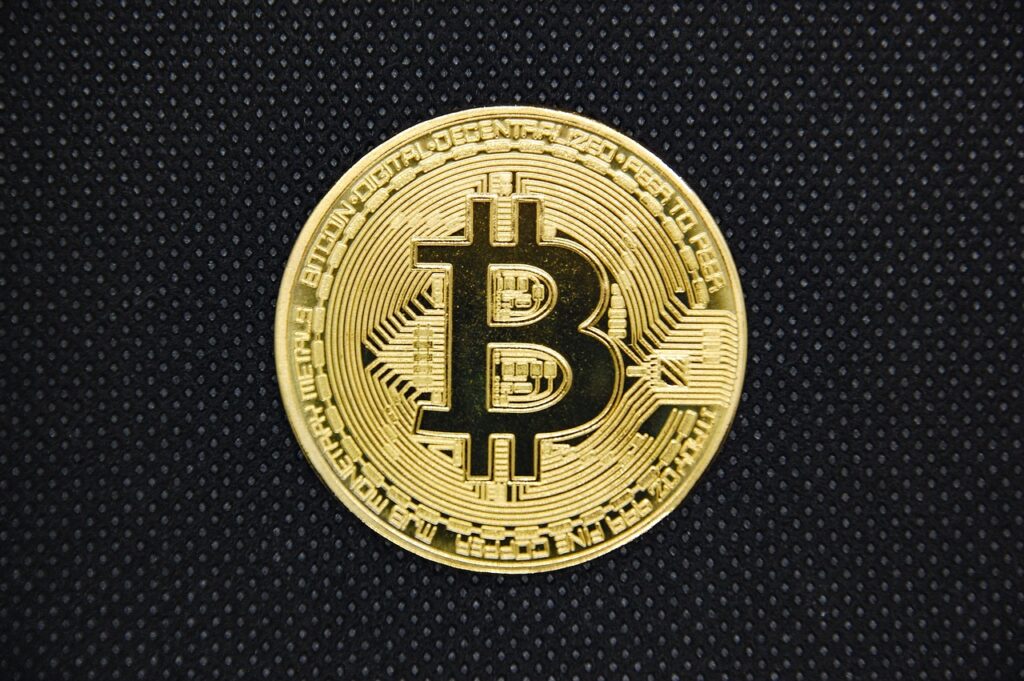

The story of Bitcoin is one of rapid growth and intense volatility, with early adopters like Kristoffer Koch, who bought 5,000 Bitcoins for $27 in 2009, only to discover their worth had soared to over $886,000 by 2013. This phenomenon raises questions about the nature of money and the future of financial transactions. Choosing the right approach to Bitcoin matters, whether as an investor, user, or merely someone interested in its potential to disrupt traditional financial systems. With its price fluctuating wildly, understanding Bitcoin’s underlying mechanics and ecosystem is essential. The complexity and volatility of Bitcoin necessitate a thorough examination of its fundamentals. For those looking to engage with Bitcoin, knowledge is key. As the first and most well-known cryptocurrency, Bitcoin’s impact on the financial world cannot be overstated.
📝 Quick Navigation
A Closer Look at Bitcoin
To grasp the essence of Bitcoin, it’s necessary to understand its decentralized nature, powered by a network of computers solving complex mathematical problems. This process, known as mining, secures the network and verifies transactions, making Bitcoin a form of digital cash that can be transferred directly between parties without the need for intermediaries. The total supply of Bitcoin is capped at 21 million, which could potentially make it a store of value similar to gold. Bitcoin’s blockchain technology, a public ledger that records all transactions, ensures the integrity and transparency of the network. As of 2022, there are over 18 million Bitcoins in circulation, with the last Bitcoin expected to be mined around 2140.
The decision to engage with Bitcoin, whether through investment, mining, or simply using it for transactions, should be informed by a clear understanding of its key metrics. Evaluating the following factors can provide insight into Bitcoin’s current state and potential future developments.
| Metric | Description | Current Status |
|---|---|---|
| Block Reward | The reward given to miners for solving the complex mathematical problems necessary to mine a block of Bitcoins. | 6.25 BTC per block (as of 2022) |
| Block Time | The average time it takes to mine a block of Bitcoins, which adds new transactions to the blockchain. | Around 10 minutes |
| Transaction Fee | The fee paid to miners for processing transactions, which incentivizes them to secure the network. | Varying, but typically a few dollars per transaction |
| Supply Cap | The maximum number of Bitcoins that will ever exist, designed to prevent inflation. | 21 million |
Major Bitcoin Developments
Bitcoin Mining
Bitcoin mining is the process by which new Bitcoins are introduced into the system and transactions are verified. It requires significant computational power and energy, leading to the development of large-scale mining operations. The evolution of mining hardware has seen a shift from CPUs to GPUs and then to Application-Specific Integrated Circuits (ASICs), which are designed specifically for Bitcoin mining and offer much higher efficiency.
- Advantages:
- Secures the Bitcoin network by verifying transactions and solving complex mathematical problems.
- Introduces new Bitcoins into circulation as a reward for miners.
- Decentralizes the network, as anyone with the right hardware and software can participate in mining.
- Current Limitations:
- High energy consumption, contributing to environmental concerns.
- Requires significant initial investment in hardware and infrastructure.
Best for: Those with access to low-cost energy and the ability to invest in specialized hardware.
Bitcoin Trading
Bitcoin trading involves buying and selling Bitcoins on online exchanges, similar to trading stocks or commodities. It offers a way for individuals to speculate on the price of Bitcoin, potentially earning a profit from price fluctuations. Exchanges such as Coinbase, Binance, and Kraken provide platforms for such activities.
- Advantages:
- Provides liquidity to the market, enabling users to easily buy or sell Bitcoins.
- Allows for speculation on Bitcoin’s price, offering potential profit opportunities.
- Supports the overall adoption of Bitcoin by making it more accessible to a wider audience.
- Current Limitations:
- Exposes users to market volatility, with prices capable of dropping rapidly.
- Trading fees can be high, especially for small transactions or frequent trading.
Best for: Individuals comfortable with market risks and looking to speculate on Bitcoin’s price.
Bitcoin Wallets
Bitcoin wallets are software programs that allow users to store, send, and receive Bitcoins. They come in various forms, including desktop, mobile, and hardware wallets, each offering different levels of security and convenience. The choice of wallet depends on the user’s specific needs and preferences.
- Advantages:
- Enables users to manage their Bitcoins securely and efficiently.
- Offers flexibility in terms of accessibility and usability.
- Can provide additional features such as transaction tracking and budgeting tools.
- Current Limitations: Current Limitations
- Security risks if the wallet is not properly secured, such as using weak passwords.
- Technical issues can occur, such as wallet corruption or compatibility problems.
Best for: Anyone looking to securely store and manage their Bitcoins.
Bitcoin ATMs
Bitcoin ATMs are physical kiosks that allow users to buy Bitcoins using cash or, in some cases, sell Bitcoins for cash. They provide an easy and accessible way for individuals to engage with Bitcoin, especially in areas where online exchanges may not be readily available.
- Advantages:
- Offers a simple and intuitive way to purchase Bitcoins for those unfamiliar with online exchanges.
- Provides access to Bitcoin in areas where online services may be limited.
- Can facilitate the adoption of Bitcoin by making it more accessible to the general public.
- Current Limitations:
- Transaction fees can be high compared to online exchanges.
- Location and availability can be limited, especially in rural areas.
Best for: Individuals looking for a straightforward method to buy or sell Bitcoins with cash.
Bitcoin Futures
Bitcoin futures are financial contracts that obligate the buyer to purchase or the seller to sell an asset (in this case, Bitcoin) at a predetermined price at a specified time in the future. They are traded on regulated exchanges, such as the Chicago Mercantile Exchange (CME), and allow for speculation on Bitcoin’s future price movements.
- Advantages:
- Provides a regulated environment for institutional investors to engage with Bitcoin.
- Enables hedging against potential price drops for those holding Bitcoins.
- Contributes to market stability by allowing for the management of risk.
- Current Limitations:
- Requires a significant understanding of financial markets and derivatives.
- Exposes participants to the risks associated with futures trading, including margin calls.
Best for: Sophisticated investors and institutions looking to manage Bitcoin price risk or speculate on future price movements.
| Option | Best For | Difficulty | Cost | Speed |
|---|---|---|---|---|
| Bitcoin Mining | Those with access to low-cost energy and hardware | High | High initial investment | Varies based on hardware and network conditions |
| Bitcoin Trading | Individuals comfortable with market risks | Medium | Transaction fees apply | Real-time, based on market activity |
| Bitcoin Wallets | Anyone looking to securely store and manage Bitcoins | Low to Medium | Varies, with some free options available | Instant, depending on the wallet and transaction type |
| Bitcoin ATMs | Individuals looking for a straightforward cash transaction | Low | Higher fees compared to online exchanges | Real-time, for immediate transactions |
| Bitcoin Futures | Sophisticated investors managing risk or speculating | High | Requires significant capital and understanding of futures | Based on the expiration date of the futures contract |
How to Choose the Right One
The decision to engage with Bitcoin, whether through mining, trading, using wallets, interacting with ATMs, or trading futures, depends on several key factors. Financial goals play a crucial role, as individuals need to consider whether they are looking to invest for the long term, speculate on short-term price movements, or simply use Bitcoin for transactions. Risk tolerance is another essential consideration, given the volatility of the Bitcoin market. Those with a low risk tolerance may prefer more stable investment options or focus on using Bitcoin for its intended purpose as a form of digital cash.
Technical knowledge is also a significant factor. For example, mining requires a good understanding of computer hardware and the mining process, while trading futures involves a grasp of financial derivatives and market analysis. Access to resources, such as low-cost energy for mining or significant capital for futures trading, can also influence the choice of how to engage with Bitcoin. Lastly, regulatory considerations should not be overlooked, as the legal and regulatory environment for Bitcoin varies by country and can impact how individuals can use or invest in it. example mining requires
For many, the first step will be to acquire Bitcoins, which can be done through mining, buying on an exchange, or using a Bitcoin ATM. Each of these methods has its advantages and disadvantages, and the choice between them will depend on the individual’s circumstances and preferences. Security is a paramount concern, regardless of the method chosen, and individuals should take all necessary precautions to protect their investments, including using secure wallets and enabling two-factor authentication where possible.
In addition to the technical and financial aspects, the community and support available for each option should be considered. Joining online forums, social media groups, or attending local meetups can provide valuable insights and help individuals stay updated on the latest developments in the Bitcoin ecosystem. Furthermore, staying informed about regulatory changes, security updates, and market trends is essential for making informed decisions and navigating the evolving landscape of Bitcoin.
How This Affects Everyday Life
The impact of Bitcoin on everyday life can be seen in several areas. Firstly, it offers an alternative form of currency that can be used for transactions, potentially reducing the need for traditional banking systems and providing greater financial inclusion for underserved populations. The use of Bitcoin can also simplify international transactions, making it easier and cheaper to send money across borders.
Secondly, the blockchain technology underlying Bitcoin has applications beyond digital currency, such as in supply chain management, smart contracts, and data security. These innovations can improve the efficiency and transparency of various industries, from healthcare to finance, and contribute to the development of new business models and opportunities.
Thirdly, the investment potential of Bitcoin has attracted a wide range of investors, from individuals to institutional investors. This has helped in further legitimizing Bitcoin and other cryptocurrencies, potentially paving the way for wider adoption and more mainstream acceptance.
Fourthly, the decentralized nature of Bitcoin means that it is not controlled by any single entity or government, which can be seen as a positive aspect for those valuing financial freedom and autonomy. However, this also raises regulatory challenges and concerns about the potential for illicit activities.
Fifthly, the environmental impact of Bitcoin, particularly due to the energy consumption of mining activities, has become a significant concern. Efforts to make mining more sustainable, such as using renewable energy sources, are underway and could mitigate this issue over time.
Sixthly, the psychological aspect of engaging with Bitcoin should not be underestimated. The potential for significant gains can create a sense of excitement and hope for financial independence, but the risk of losses can also lead to stress and financial hardship. Therefore, it’s essential for individuals to approach Bitcoin with a clear understanding of the risks and rewards.
Closing Thoughts
To wrap up, navigating the world of Bitcoin requires a thorough understanding of its underlying mechanics, the various ways to engage with it, and the potential risks and benefits associated with each approach. By considering key decision factors such as financial goals, risk tolerance, and technical knowledge, individuals can make informed choices about how to best utilize Bitcoin. Whether as a form of investment, a means of transaction, or a store of value, Bitcoin’s impact on the financial landscape is undeniable, and its future developments will be worth watching closely. The ecosystem surrounding Bitcoin is complex and multifaceted, offering a range of opportunities for those willing to learn and adapt. As the cryptocurrency space continues to evolve, staying informed and up-to-date will be crucial for anyone looking to harness the potential of Bitcoin.