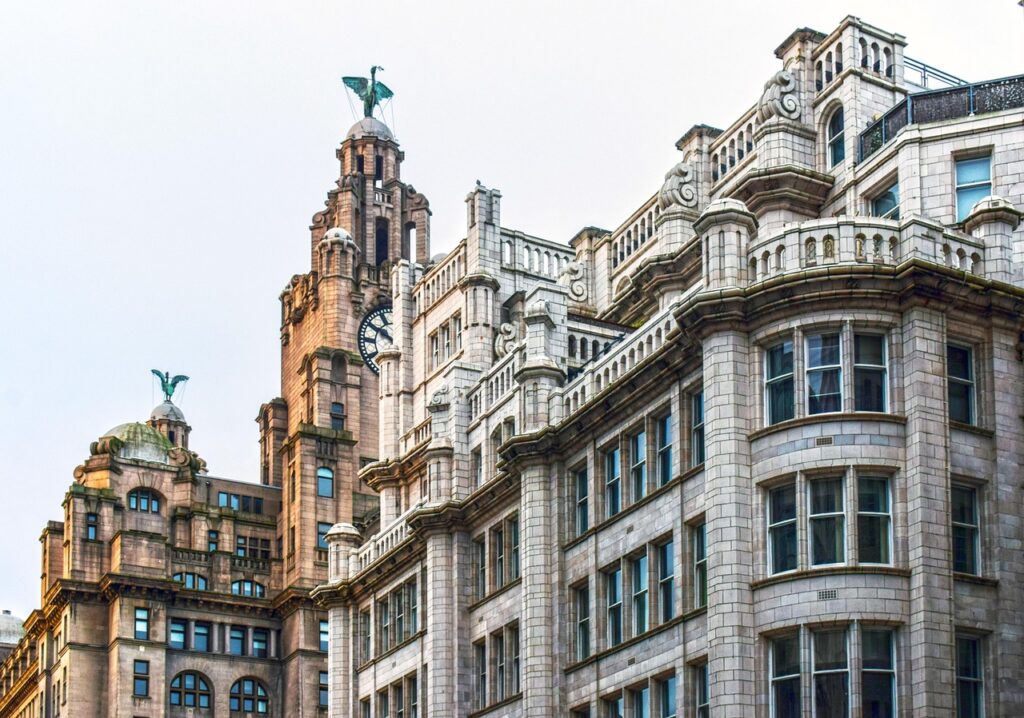

Does the common narrative about urban regeneration, which often focuses on grand, expensive projects, truly capture the essence of what makes a city thrive? The story of Liverpool, a city once on the brink of collapse, now flourishing as a cultural and economic powerhouse, suggests that this approach may be incomplete. Liverpool’s transformation is not just about big-budget initiatives but about a complex interplay of historical, cultural, and community-driven factors. Despite its successes, Liverpool still faces significant challenges, from addressing historical inequalities to managing its newfound popularity. These challenges underscore the need for a nuanced understanding of urban regeneration.
📝 Contents
Common Challenges With A Closer Look at Liverpool (case study)
Persistent Socio-Economic Disparities
<p)Liverpool, like many other post-industrial cities, struggles with socio-economic disparities that linger despite overall regeneration efforts. These disparities are rooted in historical patterns of inequality that regeneration efforts often fail to fully address. The city's experience shows that without targeted, community-led initiatives, disparities can persist even in the face of broader economic growth.
Managing Tourist Impact
The surge in tourism, while beneficial for the local economy, poses challenges such as overcrowding, strain on local resources, and the risk of gentrification, which can displace long-time residents and small businesses. Liverpool’s situation highlights the need for balanced tourism management strategies that prioritize local needs and sustainable practices. tourism while beneficial
Cultural Preservation and Identity
As Liverpool evolves, there’s a delicate balance to strike between preserving its rich cultural heritage and embracing new developments. The city’s cultural identity, deeply rooted in its history and community, must be protected from the homogenizing effects of globalization and large-scale redevelopment projects.
Environmental Sustainability
Liverpool, with its industrial past, faces environmental challenges, including pollution and the need for green spaces. The city’s efforts towards sustainability, such as green initiatives and renewable energy projects, are crucial for its long-term health and attractiveness.
Infrastructure and Transportation
Efficient infrastructure and transportation systems are vital for Liverpool’s continued growth. However, the city must navigate the challenges of updating its aging infrastructure while ensuring that new developments are accessible and beneficial to all residents, not just the affluent.
Top Urban Regeneration Innovations to Know
1. Community-Led Planning Initiatives
Community-led planning involves active participation from local residents in the planning and decision-making process, ensuring that regeneration projects meet community needs and preserve local character. Implementing this approach requires establishing strong, inclusive community engagement processes and empowering local organizations. This can involve workshops, public meetings, and digital platforms for feedback and idea sharing.
- What You Gain:
- Increased community satisfaction with regeneration projects
- Projects that are more closely aligned with local needs and aspirations
- Enhanced community cohesion and pride in local areas
Increased community satisfaction
2. Mixed-Use and Inclusive Development
Mixed-use developments combine residential, commercial, and recreational spaces, promoting diverse, vibrant neighborhoods. This approach can help prevent gentrification by ensuring a mix of housing types and tenures. Implementing mixed-use development requires a flexible zoning policy and collaboration between developers, local government, and community groups. It involves designing spaces that cater to a variety of needs and activities, from housing and offices to shops, restaurants, and community facilities.
- What You Gain:
- A balanced and resilient local economy
- Enhanced quality of life for residents through access to a range of amenities and services
<li)Vibrant, diverse neighborhoods that support local businesses and community activities
3. Green and Blue Infrastructure Integration
Integrating green and blue infrastructure, such as parks, gardens, and water features, into urban planning can significantly improve the environmental sustainability and livability of a city. This involves not just creating new green spaces but also revitalizing existing ones and incorporating green roofs, walls, and urban forestry into building designs. Community engagement and participation in the design and maintenance of these spaces are crucial for their success.
- What You Gain: see what this offers
- Improved air quality and reduced urban heat island effects
- Enhanced biodiversity and ecological connectivity within the city
- Increased recreational and leisure opportunities for residents, improving mental and physical health
4. Innovative Public Transportation Solutions
Innovative public transportation solutions, including electric and self-driving vehicles, can transform the efficiency, sustainability, and accessibility of urban mobility. Implementing these solutions requires investment in infrastructure, technological integration, and public education campaigns to promote their use. Partnerships between local government, private sector companies, and transportation authorities are essential for their successful deployment.
- What You Gain:
- Reduced traffic congestion and decreased travel times
- Lower emissions and improved air quality
- Increased mobility for all residents, particularly the elderly and those with disabilities
5. Cultural Heritage Preservation Through Digital Technologies
Digital technologies, such as virtual and augmented reality, can play a critical role in preserving and promoting cultural heritage. This involves creating digital models of historical sites, developing interactive cultural experiences, and using social media and online platforms to engage a wider audience with local history and traditions. Collaboration between cultural institutions, technology companies, and community groups is necessary for the effective implementation of these initiatives. Digital technologies such
- What You Gain:
- Preservation of cultural heritage for future generations
- Increased accessibility of cultural experiences for a broader and more diverse audience
- Enhanced engagement with local history and culture, fostering community pride and identity
6. Public-Private Partnerships for Regeneration Projects
Public-private partnerships (PPPs) can provide the financial and operational expertise needed to deliver complex regeneration projects. Implementing successful PPPs requires careful planning, transparent communication, and a clear alignment of public and private sector goals. This involves defining project objectives, establishing robust governance structures, and ensuring community benefits are integrated into project design.
- What You Gain:
- Access to private sector investment and expertise for public projects
- Improved project efficiency and delivery times
- Enhanced community facilities and services through collaborative project design
| Approach | Old Way | Better Way | Result |
|---|---|---|---|
| Urban Planning | Top-down, without community input | Inclusive, community-led planning | More sustainable, equitable developments |
| Economic Development | Focus on large corporations | Support for local, small businesses and startups | More diverse, resilient local economy |
| Environmental Policy | Reactionary, focused on compliance | Proactive, innovative sustainability initiatives | Improved environmental quality, reduced carbon footprint |
| Transportation | Car-centric, with limited public options | Multimodal, with emphasis on public, green transport | Reduced congestion, improved air quality |
| Cultural Preservation | Narrow focus on historical landmarks | Comprehensive approach, including intangible heritage and community engagement | Richer cultural landscape, enhanced community identity |
What This Means in Practice
In Liverpool, community-led planning has resulted in the development of vibrant, mixed-use neighborhoods that reflect local character and meet community needs. The city’s approach to cultural preservation, combining physical restoration with digital engagement strategies, has enhanced the accessibility and appeal of its cultural heritage. Furthermore, investments in green infrastructure have not only improved environmental sustainability but also created new public spaces that foster community interaction and social cohesion. The city’s experience with public-private partnerships has demonstrated the potential for collaborative project delivery that balances public and private interests. Additionally, Liverpool’s focus on supporting local businesses and startups has contributed to a more diverse and resilient economy, offering a model for other cities seeking to stimulate economic growth from within. The integration of innovative transportation solutions has begun to address long-standing mobility issues, making the city more accessible and livable for its residents.
Step-by-Step Action Plan
- Conduct a thorough community engagement process to understand local needs and aspirations, because this foundation is crucial for designing regeneration projects that are both effective and socially sustainable.
- Develop a mixed-use development strategy that includes a variety of housing types, local businesses, and community facilities, as this approach helps in creating vibrant, inclusive neighborhoods.
- Invest in green and blue infrastructure, recognizing its potential to improve environmental quality, enhance biodiversity, and provide recreational spaces, which are essential for the well-being of urban residents.
- Explore innovative public transportation solutions, such as electric or self-driving vehicles, to reduce congestion and emissions, and improve mobility for all residents, which is vital for the sustainability and livability of the city.
- Establish public-private partnerships for regeneration projects, ensuring clear goals, transparent governance, and community benefits, as these partnerships can use resources and expertise from both sectors to deliver complex projects efficiently.
- Implement digital technologies to preserve and promote cultural heritage, making it more accessible and engaging for a wider audience, which helps in fostering community pride and supporting local identity.
- Monitor and evaluate regeneration projects continuously, using feedback from the community and stakeholders to make necessary adjustments and improvements, because adaptive management is key to ensuring that projects remain relevant and effective over time.
The Big Picture
Liverpool’s story serves as a powerful reminder that urban regeneration is not just about physical transformation but also about social, cultural, and economic revitalization. By embracing community-led planning, innovative development strategies, and sustainable practices, cities can create thriving, inclusive environments that benefit all residents. Looking forward, the challenge for Liverpool and other cities will be to continue evolving and adapting to new challenges and opportunities, always prioritizing the needs and aspirations of their communities. As the world becomes increasingly urban, the lessons from Liverpool’s transformation will become ever more relevant, offering a compelling case study for urban regeneration that prioritizes people, sustainability, and community above all else.