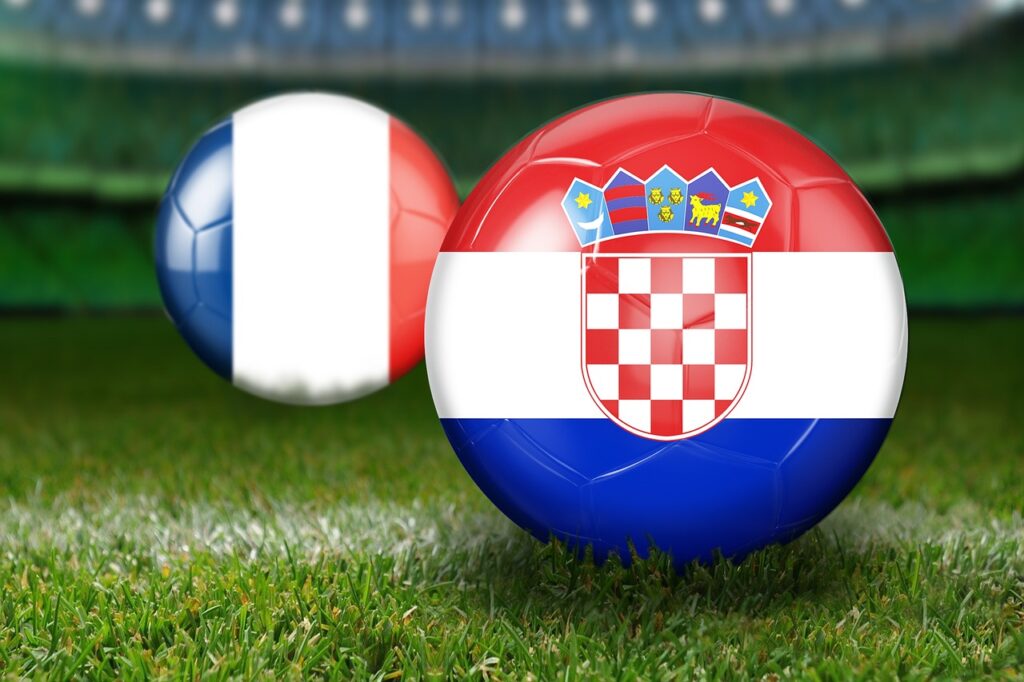

For those who have just discovered the FIFA World Cup, it’s common to view it as just another international soccer tournament. However, this perspective often overlooks the complexity and depth of the event. Most people get wrong the idea that the World Cup is merely about soccer, neglecting its profound influence on economies, cultures, and societies. The truth is, the FIFA World Cup is a multifaceted phenomenon that extends far beyond the soccer pitch. It’s an event that brings together people from diverse backgrounds, fosters international cooperation, and contributes significantly to the global economy. As the world’s most widely viewed and followed sporting event, the FIFA World Cup has the power to unite nations, promote cultural understanding, and drive economic growth. Here’s the key thing to understand: the FIFA World Cup is not just about soccer; it’s about the values, traditions, and aspirations that it represents.
📝 What You'll Learn
A Closer Look at the FIFA World Cup
The FIFA World Cup is an international soccer tournament held every four years, featuring national teams from all over the world. The tournament is organized by the Fédération Internationale de Football Association (FIFA), the governing body of international soccer. The World Cup is the most widely viewed and followed sporting event globally, with an estimated audience of over 3.5 billion people. To understand the World Cup, it’s essential to grasp some key terms and concepts.
| Term | Plain-English Meaning |
|---|---|
| FIFA | Fédération Internationale de Football Association, the governing body of international soccer |
| World Cup | An international soccer tournament held every four years, featuring national teams from around the world |
| National Team | A team representing a country in international soccer competitions |
| Qualification | The process by which national teams earn a spot in the World Cup tournament |
| Group Stage | The initial stage of the World Cup, where teams are divided into groups and compete in a round-robin format |
| Knockout Stage | The stage of the World Cup where teams compete in a single-elimination format, with the losing team being eliminated from the tournament |
Why the FIFA World Cup Matters
The FIFA World Cup matters for several reasons. Firstly, it has a significant impact on the global economy. The tournament attracts massive investments, creates thousands of jobs, and generates substantial revenue from tourism, advertising, and sponsorships. According to estimates, the 2018 World Cup in Russia generated over $14 billion in revenue. Secondly, the World Cup has a profound effect on cultures and societies. It promotes international cooperation, understanding, and exchange, bringing people together from diverse backgrounds and fostering a sense of global community. The World Cup also has a significant influence on the development of soccer, promoting the sport, and providing opportunities for young players to showcase their talents. Most people miss the fact that the World Cup is a powerful tool for social and economic development, with the potential to drive positive change in communities and nations.
The FIFA World Cup also benefits various stakeholders, including national teams, players, and fans. For national teams, the World Cup provides an opportunity to compete at the highest level, promote their country’s image, and develop their soccer infrastructure. For players, the World Cup is a chance to showcase their skills, gain international recognition, and secure lucrative contracts. For fans, the World Cup is an opportunity to support their national team, experience the excitement of international soccer, and connect with fellow fans from around the world.
In terms of real-world impact, the FIFA World Cup has been instrumental in promoting social and economic development in various countries. For example, the 2010 World Cup in South Africa led to significant investments in infrastructure, including stadiums, roads, and public transportation. The tournament also generated substantial revenue from tourism and created thousands of jobs. Similarly, the 2014 World Cup in Brazil led to major investments in soccer infrastructure, including stadiums, training facilities, and youth development programs. The World Cup has also been used as a tool for social development, promoting education, health, and social inclusion in various communities. infrastructure including stadiums
Major FIFA World Cup Developments
1. Introduction of the Video Assistant Referee (VAR) System
The introduction of the VAR system is a significant development in the FIFA World Cup. The VAR system uses video technology to assist referees in making decisions, improving the accuracy of refereeing decisions and reducing controversies. To use the VAR system, referees can review footage of incidents on the pitch, consult with video assistant referees, and make informed decisions. The VAR system has been successfully implemented in several tournaments, including the 2018 World Cup in Russia. However, one common beginner mistake is to overrely on the VAR system, neglecting the importance of human judgment and refereeing experience.
- Why It Works: The VAR system improves the accuracy of refereeing decisions, reduces controversies, and enhances the overall fairness of the game
- The VAR system provides referees with an additional tool to make informed decisions, promoting consistency and fairness in the game
2. Expansion of the World Cup to 48 Teams
The expansion of the World Cup to 48 teams is another significant development. The expansion will provide more opportunities for national teams to participate in the tournament, promoting diversity and inclusion. To implement the expansion, FIFA will introduce a new format, featuring 16 groups of three teams each, followed by a knockout stage. However, one common beginner mistake is to underestimate the challenges of expanding the tournament, including the need for additional infrastructure and resources.
- Why It Works: The expansion promotes diversity and inclusion, providing more opportunities for national teams to participate in the tournament
- The expansion will lead to increased revenue and investment in soccer infrastructure, benefiting the development of the sport globally
3. Introduction of the FIFA World Cup Trophy
The introduction of the FIFA World Cup Trophy is a significant development in the history of the tournament. The trophy is awarded to the winning team, symbolizing their achievement and excellence. To win the trophy, teams must navigate the challenging group stage and knockout stage, demonstrating their skills, strategy, and determination. However, one common beginner mistake is to overlook the significance of the trophy, neglecting its historical and cultural importance.
- Why It Works: The trophy symbolizes excellence and achievement, motivating teams to strive for greatness and promoting a sense of pride and national identity
- The trophy provides a tangible representation of the tournament’s history and tradition, connecting generations of soccer fans and players
4. Development of Soccer Infrastructure
The development of soccer infrastructure is a critical aspect of the FIFA World Cup. The tournament requires state-of-the-art stadiums, training facilities, and other infrastructure to host the event. To develop soccer infrastructure, countries must invest in construction, renovation, and maintenance of facilities, as well as provide top-notch amenities and services for players, officials, and fans. However, one common beginner mistake is to neglect the importance of sustainability and environmental impact, prioritizing short-term gains over long-term benefits.
- Why It Works: The development of soccer infrastructure promotes the growth of the sport, providing opportunities for players to develop their skills and compete at the highest level
- The development of soccer infrastructure generates significant revenue and creates jobs, contributing to local and national economies
5. Promotion of International Cooperation and Diplomacy
The promotion of international cooperation and diplomacy is a significant aspect of the FIFA World Cup. The tournament brings together nations and cultures, fostering understanding, respect, and cooperation. To promote international cooperation and diplomacy, the FIFA World Cup provides a platform for dialogue, exchange, and collaboration among nations, as well as opportunities for cultural exchange and people-to-people diplomacy. However, one common beginner mistake is to underestimate the challenges of promoting international cooperation, neglecting the complexities of global politics and diplomacy.
- Why It Works: The promotion of international cooperation and diplomacy fosters greater understanding and respect among nations, promoting peace and stability
- The FIFA World Cup provides a unique opportunity for nations to engage in cultural exchange, promoting mutual understanding and respect
6. Impact on Local Economies and Communities
The impact on local economies and communities is a critical aspect of the FIFA World Cup. The tournament generates significant revenue and creates jobs, contributing to local and national economies. To maximize the impact on local economies and communities, host countries must develop strategies to promote tourism, investment, and trade, as well as provide opportunities for local businesses and entrepreneurs to participate in the tournament. However, one common beginner mistake is to neglect the importance of sustainability and social responsibility, prioritizing short-term gains over long-term benefits.
- Why It Works: The FIFA World Cup generates significant revenue and creates jobs, contributing to local and national economies
- The tournament provides opportunities for local businesses and entrepreneurs to participate, promoting economic growth and development
7. Legacy of the FIFA World Cup
The legacy of the FIFA World Cup is a lasting impact on the sport, cultures, and societies. The tournament promotes the development of soccer, fosters international cooperation, and contributes to social and economic development. To ensure a lasting legacy, host countries must develop strategies to promote the tournament’s values, including fair play, respect, and solidarity, as well as provide opportunities for future generations to participate in the sport. However, one common beginner mistake is to underestimate the challenges of ensuring a lasting legacy, neglecting the importance of planning, investment, and commitment.
- Why It Works: The legacy of the FIFA World Cup promotes the development of soccer, fostering a sense of community and social cohesion
- The tournament’s legacy contributes to social and economic development, promoting positive change and improvement in communities and nations
| Step | What You Do | Expected Result |
|---|---|---|
| 1. Introduction of the VAR System | Implement the VAR system to improve refereeing decisions | Improved accuracy and fairness in refereeing decisions |
| 2. Expansion of the World Cup to 48 Teams | Implement the expansion to promote diversity and inclusion | Increased opportunities for national teams to participate and promote diversity and inclusion |
| 3. Introduction of the FIFA World Cup Trophy | Award the trophy to the winning team to symbolize excellence and achievement | Promotion of excellence and achievement, motivating teams to strive for greatness |
| 4. Development of Soccer Infrastructure | Invest in construction, renovation, and maintenance of facilities | State-of-the-art stadiums, training facilities, and other infrastructure to host the event |
| 5. Promotion of International Cooperation and Diplomacy | Provide a platform for dialogue, exchange, and collaboration among nations | Fostering greater understanding and respect among nations, promoting peace and stability |
| 6. Impact on Local Economies and Communities | Develop strategies to promote tourism, investment, and trade | Significant revenue and job creation, contributing to local and national economies |
| 7. Legacy of the FIFA World Cup | Develop strategies to promote the tournament’s values and provide opportunities for future generations | Lasting impact on the sport, cultures, and societies, promoting positive change and improvement |
Frequently Asked Questions
What is the FIFA World Cup?
The FIFA World Cup is an international soccer tournament held every four years, featuring national teams from around the world. The tournament is organized by the Fédération Internationale de Football Association (FIFA), the governing body of international soccer.
How many teams participate in the FIFA World Cup?
The FIFA World Cup features 32 national teams, although the tournament is expanding to 48 teams in the future. The teams compete in a group stage and knockout stage, with the winning team being awarded the FIFA World Cup Trophy.
What is the significance of the FIFA World Cup?
The FIFA World Cup is significant because it promotes international cooperation, cultural exchange, and economic growth. The tournament also has a profound impact on the development of soccer, fostering a sense of community and social cohesion.
How does the FIFA World Cup benefit national teams and players?
The FIFA World Cup provides national teams and players with an opportunity to compete at the highest level, promoting their country’s image and developing their soccer infrastructure. The tournament also generates significant revenue and creates jobs, contributing to local and national economies.
What is the legacy of the FIFA World Cup?
The legacy of the FIFA World Cup is a lasting impact on the sport, cultures, and societies. The tournament promotes the development of soccer, fosters international cooperation, and contributes to social and economic development. The legacy of the FIFA World Cup is a testament to the power of sports to unite people and promote positive change.
The Big Picture
The FIFA World Cup is more than just a soccer tournament; it’s a global event that brings people together, fosters international cooperation, and drives economic growth. By understanding the true significance and impact of the World Cup, individuals can appreciate the complexity and depth of the event. The World Cup is a powerful tool for social and economic development, with the potential to drive positive change in communities and nations. By embracing the values and spirit of the World Cup, people can promote a sense of community and social cohesion, contributing to a more harmonious and prosperous world