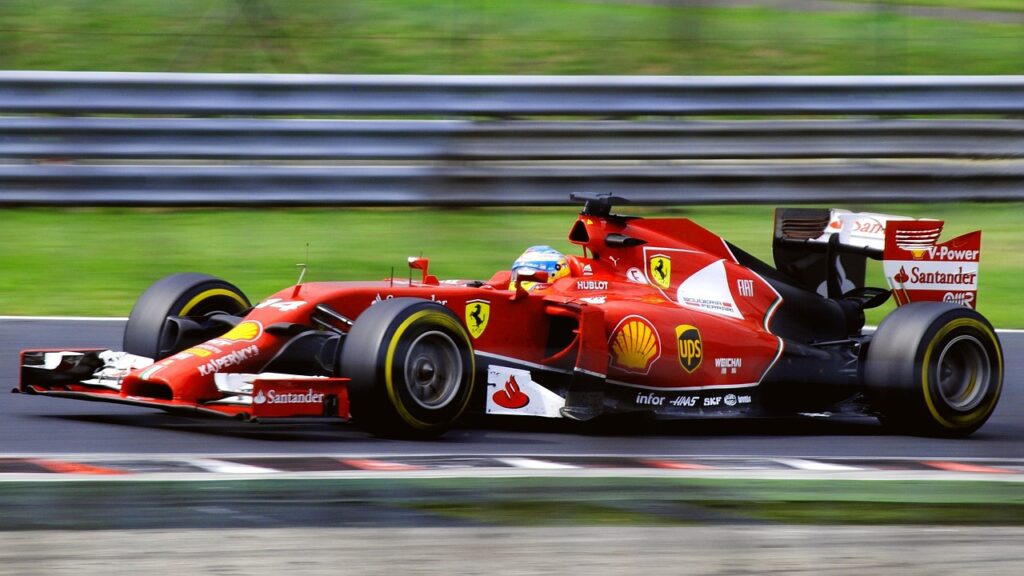

Imagine being part of a Formula 1 team, where every second counts and the right strategy can make all the difference between victory and defeat. Choosing the right approach matters significantly in Formula 1, as it can affect not only the outcome of a single race but also the entire season. The complexity of the sport, combined with the ever-evolving regulations, makes strategic decisions crucial. Each team must weigh its options carefully, considering factors such as tire wear, fuel efficiency, and the performance of the car under different conditions. As the season progresses, adapting to new challenges and capitalizing on opportunities becomes key to success.
📝 Table of Contents
Defining Formula 1 Strategy
Formula 1 strategy encompasses a broad range of decisions, from the design and development of the car to the tactics employed during each race weekend. Understanding the basics of how Formula 1 works is essential before diving into the intricacies of strategy. This includes knowing how points are scored, the role of different compounds of tires, and the impact of various penalties. Teams must also stay abreast of the technical regulations, which can significantly influence the performance of the car and, therefore, the strategy.
A critical aspect of Formula 1 strategy is analyzing data and making informed decisions based on that data. This can involve anything from studying the wear patterns of tires to optimizing the timing of pit stops. The table below highlights key metrics that teams evaluate when devising their strategy:
| Metric | Description | Impact on Strategy |
|---|---|---|
| Tire Wear Rate | The rate at which tires degrade over the course of a stint. | Influences the frequency and timing of pit stops. |
| Fuel Efficiency | The amount of fuel consumed per lap. | Affects the weight of the car and the need for pit stops. |
| Performance in Different Conditions | How the car handles in varying weather and track conditions. | Impacts the choice of tires and the aggressiveness of the driving strategy. |
| Car Reliability | The likelihood of the car experiencing mechanical failures. | Influences the risk vs. reward calculation for pushing the car to its limits. |
Major Formula 1 Developments
Option 1: Adaptive Aerodynamics
Adaptive aerodynamics refers to the ability of a car to adjust its aerodynamic profile in real-time to optimize performance under different conditions. This can involve systems that alter the shape of the front wing or the drag reduction system (DRS) flap angle. While still in its infancy due to regulatory limitations, the potential of adaptive aerodynamics to revolutionize the sport is significant.
- Why It Works:
- Improves downforce in corners, enhancing handling and speed.
- Reduces drag on straights, increasing top speed.
- Enhances the effectiveness of DRS, facilitating overtaking.
- Challenges:
- Complexity of the system, which can lead to reliability issues.
- High development cost, potentially favoring larger teams.
Best for: Teams looking to gain a significant performance advantage through innovative technology.
Option 2: Advanced Tire Compounds
Advanced tire compounds aim to provide better grip and durability, allowing for faster lap times and fewer pit stops. Tire manufacturers continually push the boundaries of what is possible with their products, offering teams a range of compounds to suit different track conditions and strategies.
- Why It Works:
- Offers improved grip, enhancing cornering speed and stability.
- Increases tire life, reducing the need for pit stops and the time lost to them.
- Provides teams with strategic flexibility, as they can choose compounds that best suit their race strategy.
- Challenges:
- Difficulty in predicting tire behavior under various conditions.
- Potential for significant performance differences between compounds, affecting race competitiveness.
Best for: Teams seeking to optimize their tire strategy to match their car’s performance characteristics and the specific demands of each race.
Option 3: Hybrid Power Units
Hybrid power units combine traditional internal combustion engines with electric motors to achieve higher power output while reducing fuel consumption. These units have become a cornerstone of Formula 1, representing a significant leap forward in terms of efficiency and performance.
- Why It Works:
- Delivers exceptional power-to-weight ratio, enhancing acceleration and top speed.
- Reduces fuel consumption, making the sport more sustainable and reducing the number of pit stops needed.
- Encourages innovation in energy recovery and storage technologies.
- Challenges: learn more about this
- High complexity, which can lead to reliability and maintenance issues.
- Expensive to develop and produce, potentially widening the gap between top teams and smaller outfits.
Best for: Teams that can balance the performance benefits of hybrid power units with the technical and financial challenges they present.
Option 4: Advanced Driver Assistance Systems
Advanced driver assistance systems, such as semi-automatic gearboxes and advanced telemetry, aim to help drivers extract the maximum performance from their cars while minimizing the risk of errors. These systems have become increasingly sophisticated, offering real-time feedback and support.
- Why It Works:
- Enhances driver performance by providing real-time data and feedback.
- Reduces the physical and mental demands on drivers, potentially improving consistency and reducing errors.
- Fosters a more efficient driver-car interface, streamlining communication and decision-making.
- Challenges:
- Dependence on technology, which can be prone to failures or glitches.
- Potential to overshadow driver skill, as the line between driver input and system intervention blurs.
Best for: Teams seeking to maximize driver performance and consistency, particularly in high-pressure situations.
Option 5: Pit Stop Optimization
Pit stop optimization involves perfecting the strategy and execution of pit stops to minimize time lost in the pits. This can involve everything from the timing of the stop to the choreography of the pit crew.
- Why It Works:
- Reduces the time spent in the pits, directly impacting race position and potential for overtaking.
- Improves safety by minimizing the exposure of the pit crew to danger.
- Enhances team morale and efficiency, as a well-executed pit stop can be a significant morale booster.
- Challenges:
- Difficulty in predicting the optimal time for a pit stop, given the dynamic nature of the race.
- Potential for errors during the pit stop, which can lead to penalties or lost time.
Best for: Teams that can execute pit stops with precision and speed, turning what might be a weakness into a strategic advantage.
| Option | Best For | Difficulty | Cost | Speed |
|---|---|---|---|---|
| Adaptive Aerodynamics | Teams seeking a performance advantage through innovation. | High | High | Medium |
| Advanced Tire Compounds | Teams optimizing tire strategy for race conditions. | Medium | Medium | High |
| Hybrid Power Units | Teams balancing performance and efficiency. | Very High | Very High | Very High |
| Advanced Driver Assistance Systems | Teams enhancing driver performance and consistency. | Medium | Medium | Medium |
| Pit Stop Optimization | Teams turning pit stops into a strategic advantage. | Low | Low | High |
How to Choose the Right One
Choosing the right Formula 1 strategy involves a deep understanding of the team’s strengths and weaknesses, the characteristics of the car, and the specific demands of each race. Performance is a key factor, as teams seek to maximize their speed and competitiveness. However, reliability and efficiency are also crucial, as they can significantly impact the outcome of a race and the overall standing in the championship.
The decision-making process also considers cost and difficulty, as teams must balance their ambitions with the resources available to them. Smaller teams, for instance, may prioritize strategies that offer a high return on investment, even if they are less complex or do not yield the same level of performance as those employed by top-tier teams. decisionmaking process also
Adaptability is another vital consideration. The ability to adjust strategy in response to changing circumstances, such as weather conditions or the emergence of new opportunities during a race, can be the difference between winning and losing. Teams must be able to analyze data in real-time and make informed decisions quickly, often under significant pressure.
Ultimately, the choice of strategy in Formula 1 is a multifaceted decision that requires careful evaluation of numerous factors. It is a process that demands continuous learning and improvement, as teams seek to stay ahead of their competitors and adapt to the evolving landscape of the sport.
By understanding these key decision factors and how they interact, teams can develop a strategy that aligns with their goals and maximizes their potential for success. This involves not just reacting to the challenges of the season but also anticipating them, through a combination of experience, data analysis, and innovative thinking.
Why This Matters to You
For fans of Formula 1, understanding the strategic aspects of the sport can elevate their appreciation and enjoyment of the races. By recognizing the complexities and challenges involved in competing at the highest level, spectators can gain a deeper insight into the sport, appreciating not just the speed and thrill of the racing but also the intellect and cunning that underpin every team’s approach.
The strategic element of Formula 1 also has broader implications, reflecting the sport’s position at the forefront of technological innovation and competitive excellence. The strategies employed by Formula 1 teams can inspire and inform approaches in other fields, from business to engineering, where performance, efficiency, and adaptability are paramount.
Furthermore, the emphasis on sustainability and efficiency in modern Formula 1 underscores the sport’s evolving role in the world of motorsport. As the global community increasingly prioritizes environmental responsibility and technological advancement, Formula 1 serves as a platform for innovation, demonstrating how high-performance goals can be achieved while minimizing environmental impact.
The human aspect of Formula 1 strategy should not be overlooked. The sport is as much about the people involved—drivers, engineers, strategists—as it is about the cars. The pressures, the triumphs, and the setbacks all contribute to a narrative that is as captivating as it is complex, making Formula 1 a compelling spectacle for millions of fans worldwide.
Ultimately, the strategic depth of Formula 1 is a testament to the enduring appeal of the sport, offering a rich mix of competition, innovation, and human drama that continues to captivate audiences around the globe.
As the sport continues to evolve, with new technologies, new teams, and new challenges on the horizon, the importance of strategy will only continue to grow. For teams, drivers, and fans alike, understanding and appreciating the strategic elements of Formula 1 will remain essential to fully experiencing the thrill and sophistication of the sport.
Worth Remembering
The key to success in Formula 1 lies in the ability to balance multiple factors—performance, reliability, efficiency, and adaptability—within the context of a highly competitive and constantly evolving environment. The strategic decisions made by teams are central to this balance, influencing not just the outcome of individual races but the overall trajectory of the season. By grasping the intricacies of Formula 1 strategy, one can gain a deeper appreciation for the sport’s unique blend of technology, athleticism, and intellectual challenge.