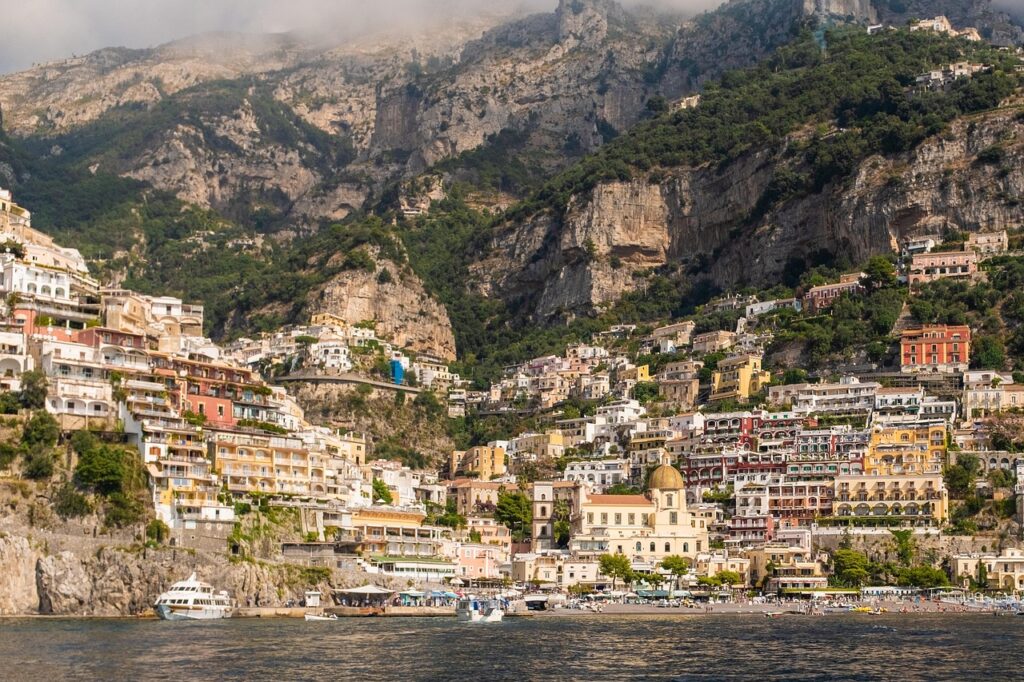

27 million tourists visit Italy every year, and a significant portion of them find their way to Napoli, a city that embodies the essence of Italian culture and history. For a beginner who has just discovered Napoli, it might seem like just another Italian city, but here’s the key thing to understand: Napoli is a city that seamlessly blends its ancient past with its vibrant present. Most people miss this unique aspect, focusing only on the city’s historical landmarks. However, Napoli offers so much more, from its stunning natural beauty to its world-class art and architecture. With its rich history dating back to the 5th century BC, Napoli has been a significant cultural and political center in the Mediterranean. As a newcomer to the topic, understanding the depth of Napoli’s history and its impact on the city’s current state is crucial. Here’s a glimpse into what makes Napoli so unique.
📝 Table of Contents
Understanding Napoli
Napoli, or Naples in English, is the third-largest city in Italy, known for its breathtaking landscapes, historical landmarks, and vibrant cultural scene. The city’s strategic location in the Campania region makes it a hub for trade, tourism, and cultural exchange. Most people are drawn to Napoli for its historical significance, but the city also offers a unique blend of modern and traditional Italian lifestyle. To truly appreciate Napoli, one must understand its history, culture, and the factors that contribute to its current state.
| Term | Plain-English Meaning |
|---|---|
| Campania | A region in southern Italy where Napoli is located. |
| Mediterranean | The sea that connects Europe, Africa, and Asia, playing a significant role in Napoli’s historical and current cultural and trade activities. |
| Archaeological Site | A place of great historical significance, often containing ruins or artifacts from ancient civilizations, such as Pompeii near Napoli. |
| Baroque Architecture | A style of building design characterized by elaborate ornamentation, often seen in Napoli’s historical buildings and churches. |
| Cultural Heritage | The customs, traditions, and historical sites that define a city or region’s identity, such as Napoli’s unique blend of Greek, Roman, and Italian influences. |
| Tourism Industry | The sector of the economy that deals with the provision of services to tourists, playing a significant role in Napoli’s economy. |
Why Napoli Matters
Napoli matters for several reasons, primarily due to its significant historical and cultural impact. The city has been a major power in the Mediterranean for centuries, influencing art, architecture, and politics in the region. For tourists, Napoli offers an array of experiences, from exploring ancient ruins like Pompeii to enjoying the city’s renowned cuisine. The city’s unique cultural heritage, combining Greek, Roman, and Italian influences, makes it a fascinating destination for history and culture enthusiasts. Additionally, Napoli’s stunning natural beauty, with the Bay of Naples and Mount Vesuvius, provides breathtaking landscapes that attract visitors from around the world.
The economic impact of tourism in Napoli cannot be overstated, with the sector contributing significantly to the city’s economy. In 2020, despite the global pandemic, Napoli welcomed over 2 million tourists, generating substantial revenue for local businesses. This influx of visitors also stimulates the local economy, supporting jobs in the service sector, from hotel staff and tour guides to restaurant workers and shopkeepers. Moreover, the city’s historical significance and cultural richness make it an attractive location for international events and conferences, further boosting its economic standing.
For the people of Napoli, the city’s historical and cultural significance is a source of pride. The city’s vibrant cultural scene, including its music, theater, and festivals, plays a crucial role in maintaining community spirit and identity. The preservation of historical landmarks and the promotion of cultural heritage are also seen as essential tasks, ensuring that future generations can appreciate and learn from the city’s rich past. This sense of community and shared history strengthens social bonds among residents, making Napoli a unique and welcoming place for visitors.
Top Napoli Innovations to Know
1. Sustainable Tourism Practices
Sustainable tourism practices in Napoli aim to reduce the environmental impact of tourism while preserving the city’s cultural heritage. This involves implementing eco-friendly policies in hotels, promoting responsible tourist behavior, and supporting local businesses that adhere to sustainable practices. By adopting sustainable tourism practices, visitors can enjoy the city’s attractions while contributing to its environmental and cultural conservation. A common beginner mistake is overlooking the importance of respecting local customs and environments.
- Advantages: discover more
- Reduces environmental footprint
- Preserves historical sites and cultural heritage
- Supports local economy through sustainable businesses
2. Cultural Exchange Programs
Cultural exchange programs in Napoli provide opportunities for international visitors to engage with local culture, learn about the city’s history, and participate in traditional activities. These programs can range from language courses to workshops on traditional Neapolitan crafts and cuisine. By participating in cultural exchange programs, visitors can gain a deeper understanding of Napoli’s unique cultural identity. A common mistake is not immersing oneself fully in the local culture.
- Advantages:
- Enhances cultural understanding and appreciation
- Provides unique and memorable experiences
- Fosters international friendships and connections
3. Historical Preservation Efforts
Historical preservation efforts in Napoli are crucial for maintaining the city’s cultural heritage. These efforts include the restoration of historical buildings, the protection of archaeological sites, and the promotion of historical education. By supporting historical preservation, visitors can contribute to the conservation of Napoli’s rich history. A common beginner mistake is underestimating the importance of preserving historical sites.
- Advantages:
- Promotes historical awareness and education
- Conserves the city’s cultural identity
- Supports local jobs in the preservation and tourism sectors
4. Community Engagement Initiatives
Community engagement initiatives in Napoli aim to involve local residents in the city’s cultural and tourism activities. This can include community-led tours, local festivals, and initiatives that support small businesses and artisans. By participating in community engagement initiatives, visitors can experience the authentic side of Napoli and contribute to the well-being of local communities. A common mistake is not engaging with local communities during visits. Community engagement initiatives
- Advantages:
- Provides authentic and unique experiences
- Supports local economic development
- Fosters positive relationships between visitors and residents
5. Innovative Tourism Technologies
Innovative tourism technologies in Napoli are transforming the way visitors experience the city. From virtual tours and mobile apps to smart ticketing systems, these technologies enhance the tourist experience, provide easier access to information, and promote the city’s attractions more efficiently. A common beginner mistake is not utilizing available technology to plan and navigate the city.
- Advantages:
- Improves navigation and accessibility
- Enhances the overall tourist experience
- Increases the efficiency of tourism services
6. Eco-Friendly Accommodations
Eco-friendly accommodations in Napoli offer visitors the opportunity to reduce their environmental impact while enjoying their stay. These accommodations implement sustainable practices such as energy-efficient systems, recycling programs, and the use of locally sourced materials. By choosing eco-friendly accommodations, visitors can contribute to Napoli’s environmental conservation. A common mistake is overlooking the environmental impact of accommodation choices.
- Advantages:
- Reduces carbon footprint
- Supports local environmental initiatives
- Provides a guilt-free and responsible travel experience
7. Local Cuisine and Wine Tours
Local cuisine and wine tours in Napoli allow visitors to explore the city’s culinary delights, from traditional Neapolitan pizza to the region’s renowned wines. These tours provide a unique gastronomic experience, supporting local food producers and restaurants. By participating in local cuisine and wine tours, visitors can appreciate the diversity and richness of Napoli’s food culture. A common beginner mistake is not exploring the local cuisine fully.
- Advantages:
- Offers a unique and authentic culinary experience
- Supports local food producers and the local economy
- Provides an opportunity to learn about the city’s food culture and traditions
| Step | What You Do | Expected Result |
|---|---|---|
| 1. Sustainable Tourism Practices | Adopt eco-friendly behaviors and support sustainable businesses. | Contribution to environmental conservation and support for the local economy. |
| 2. Cultural Exchange Programs | Participate in cultural activities and learn about local customs. | Deeper understanding and appreciation of Napoli’s cultural heritage. |
| 3. Historical Preservation Efforts | Support the restoration of historical sites and education initiatives. | Conservation of historical landmarks and promotion of cultural awareness. |
| 4. Community Engagement Initiatives | Engage with local communities through tours, festivals, and support for local businesses. | Authentic experiences and positive contributions to local communities. |
| 5. Innovative Tourism Technologies | Utilize technology to navigate the city and access information. | Enhanced tourist experience through easier access to information and services. |
| 6. Eco-Friendly Accommodations | Choose accommodations that implement sustainable practices. | Reduction in environmental impact and support for sustainable tourism. |
| 7. Local Cuisine and Wine Tours | Explore Napoli’s culinary scene through guided tours and local food experiences. | Appreciation for the diversity and richness of Napoli’s food culture and support for local food producers. |
Frequently Asked Questions
What is the best time to visit Napoli?
The best time to visit Napoli is during the spring and autumn seasons when the weather is pleasant and there are fewer tourists compared to the peak summer months. These periods offer ideal conditions for exploring the city’s historical sites and enjoying the local cuisine.
How can I get around Napoli?
Napoli has a well-developed public transportation system, including buses, metro lines, and funiculars. Visitors can also use taxis or rent bicycles to navigate the city. For a more authentic experience, walking through the historic center is highly recommended.
What are the must-see attractions in Napoli?
Napoli is home to numerous historical and cultural attractions, including the National Archaeological Museum, the Castel dell’Ovo, and the Catacombe di San Gennaro. The nearby ancient ruins of Pompeii and the stunning natural beauty of the Bay of Naples are also must-visit destinations.
Is Napoli a safe city for tourists?
Like any major city, Napoli has its safe and less safe areas. However, the city has seen significant improvements in safety in recent years, and most tourist areas are well-patrolled and considered safe. As with any travel, taking common-sense precautions can help ensure a safe and enjoyable visit.
What is the local cuisine like in Napoli?
Napoli is renowned for its delicious cuisine, which includes dishes such as pizza margherita, spaghetti alle vongole, and babà. The city is also famous for its coffee culture, with numerous cafes serving traditional Neapolitan coffee. Visitors should also try the local pastries and desserts, such as sfogliatelle and zeppole.
What It All Means
Napoli, with its rich history, stunning natural beauty, and vibrant cultural scene, offers an unforgettable experience for travelers and history enthusiasts alike. By understanding the city’s significance, adopting sustainable tourism practices, and engaging with local communities, visitors can contribute to the preservation of Napoli’s cultural heritage and enjoy a truly immersive experience. As a city that seamlessly blends its past with its present, Napoli is a destination that promises to leave a lasting impression on all who visit.
The city’s ability to evolve while maintaining its unique identity makes it an attractive location for both cultural and leisure activities. Whether one is interested in history, food, art, or simply experiencing the authentic Italian lifestyle, Napoli has something to offer. By embracing the city’s cultural richness and contributing to its conservation, visitors play a vital role in ensuring that Napoli remains a vibrant and captivating destination for generations to come.
In essence, Napoli is more than just a city; it is an experience that encompasses history, culture, natural beauty, and community spirit. For those who are about to embark on a path to discover Napoli, the key thing to understand is that the city’s true charm lies in its ability to balance tradition with innovation, making it a place where the past and the present coexist in perfect harmony.