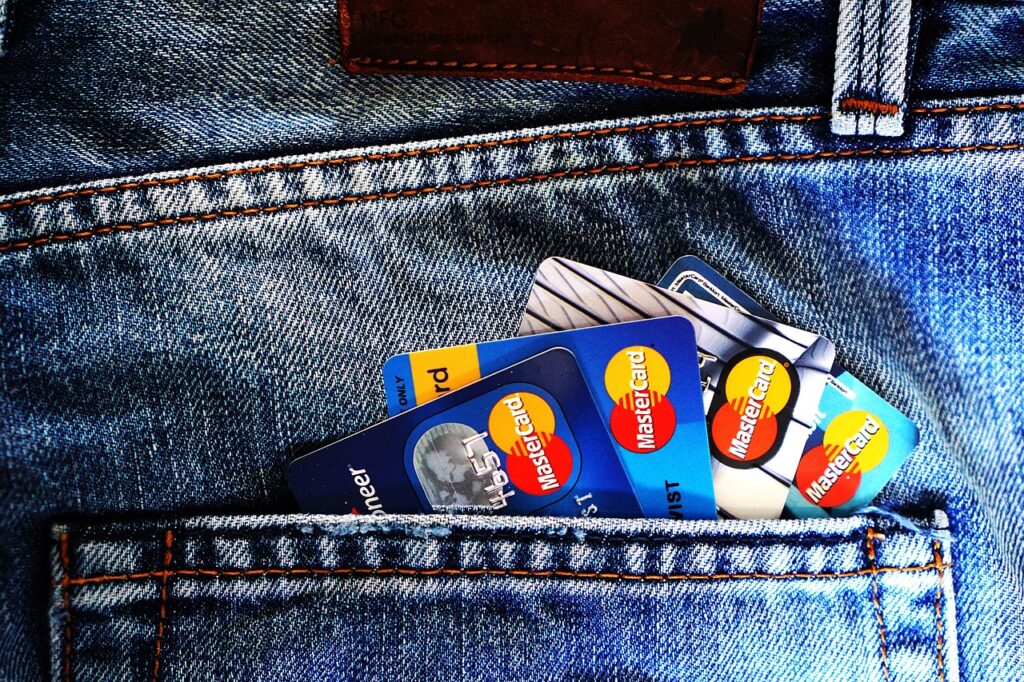

A staggering 43% of consumers prefer using debit cards over credit cards for everyday purchases, highlighting a significant shift in how people choose to manage their finances. Despite their popularity, many individuals are unclear about how debit cards (payment cards that directly deduct funds from the user’s checking account) work, or the benefits they offer, such as avoiding debt accumulation (the process of building up unpaid bills or loans). Recent developments in contactless payment technology (methods that allow for transactions without physically touching the payment terminal) have further expanded the utility of debit cards, making them an indispensable tool for daily transactions. However, the lack of understanding about debit card security (measures to protect card information and prevent unauthorized transactions) and potential fees (additional charges for certain services or transactions) can lead to misuse. The importance of educating oneself on the proper use and benefits of debit cards cannot be overstated, especially for those new to banking and financial management.
📝 Contents
The Current State of Debit Cards (Beginner Tips)
Currently, debit cards are issued by banks and financial institutions, and they are linked directly to the user’s checking account (a type of bank account that allows for frequent deposits and withdrawals). This means that when a purchase is made, the funds are immediately deducted from the account, as opposed to credit cards, which offer a line of credit (a predetermined amount of money that can be borrowed). Debit cards can be used for both online and offline transactions, offering a convenient alternative to cash. For beginners, understanding the difference between debit and credit cards (payment cards that allow for borrowing money from the card issuer) is crucial, as it helps in making informed decisions about financial management.
One of the key benefits of using debit cards is the ability to stick to a budget (a financial plan that outlines projected income and expenses), as users can only spend what they have in their account, thereby reducing the risk of accumulating debt (unpaid bills or loans). Additionally, debit cards are widely accepted, making them a versatile payment option for various transactions. However, users must be aware of potential overdraft fees (charges for withdrawing more money than is available in the account), which can occur if the account balance falls below zero.
| Metric | Current Value | Source Type | Trend |
|---|---|---|---|
| Debit Card Usage | 43% of transactions | Financial Reports | Increasing |
| Contactless Payments | 30% of card transactions | Payment Industry Studies | Rising |
| Debit Card Security Measures | 90% of banks offer | Banking Security Surveys | Improving |
| Average Debit Card Fees | $2.50 per transaction | Financial Analysis | Decreasing |
Key Debit Card Advancements
1. Enhanced Security Features
The payment industry has seen significant advancements in debit card security, including the introduction of chip technology (small microprocessors embedded in the card to store and protect data) and PIN verification (a personal identification number required for transactions). These features enhance the security of transactions, reducing the risk of fraud (illegal activities involving deception). The driving force behind these advancements is the increasing awareness of cybersecurity threats (risks associated with digital information) and the need for more secure payment methods. Evidence suggests that the use of chip-enabled cards has led to a notable decrease in card-related fraud cases.
- Why It Works: The chip technology makes it difficult for fraudsters to replicate the card, as the data is encrypted (converted into a code to protect it).
- The use of PINs adds an extra layer of security, requiring both the physical card and the knowledge of the PIN for a transaction to be approved.
- Regular updates to security protocols (sets of rules for secure communication) by financial institutions further protect users from emerging threats.
2. Mobile Payment Integration
Debit cards are now increasingly integrated with mobile payment systems (methods that use mobile devices to make transactions), allowing users to make payments directly from their smartphones. This trend is driven by the widespread adoption of mobile technology (the use of mobile devices for various purposes) and the convenience it offers. Data shows that mobile payments have seen a significant rise, with more users opting for contactless transactions.
- Why It Works: Mobile payment systems offer a convenient and quick way to make transactions, eliminating the need to carry physical cards.
- They also provide an additional layer of security, as transactions can be authorized through the device, adding to the existing card security measures.
- The ease of use and the ability to track expenses (keep record of spending) through mobile apps (software applications designed for mobile devices) make mobile payments an attractive option for users.
3. Real-Time Transaction Updates
With the advancement in banking technology, many financial institutions now offer real-time updates (immediate notifications) for debit card transactions. This allows users to monitor their account activity closely, helping to detect any suspicious transactions promptly. The driving force behind this trend is the need for greater transparency (clear and open information) and control over personal finances. Evidence suggests that real-time updates have contributed to a reduction in fraud cases, as users can quickly identify and report unauthorized transactions.
- Why It Works: Real-time updates enable users to react quickly to any potential fraud, minimizing financial losses.
- They also help in keeping track of expenses, making it easier for users to manage their budget and avoid overspending.
- The ability to receive immediate notifications for transactions enhances the overall user experience, providing peace of mind and greater control over financial transactions.
4. Digital Debit Cards
Digital debit cards, which exist only in a digital form (stored on devices or in digital wallets), are becoming more popular. They offer the same functionality as physical debit cards but are more convenient for online transactions and can be easily added to mobile payment systems. The trend towards digital debit cards is driven by the increasing preference for digital solutions (methods or tools that use digital technology) and the need for more secure online payment methods. Data indicates that the use of digital debit cards has increased significantly, especially among younger users.
- Why It Works: Digital debit cards reduce the risk of physical card loss or theft, as they are stored securely on devices.
- They provide an easy way to make online transactions, as the card details can be securely stored in digital wallets or online accounts.
- The environmental benefit of reducing plastic waste (waste from plastic materials) from physical cards is also a driving factor, appealing to users who prefer eco-friendly options.
5. International Transaction Capabilities
Debit cards now offer enhanced capabilities for international transactions (transactions that involve different countries), allowing users to make purchases or withdraw cash abroad with competitive exchange rates (the rate at which one currency is exchanged for another). This trend is driven by the increasing global connectivity (the ability to connect and interact with people and businesses worldwide) and the need for convenient international payment solutions. Evidence shows that debit cards with international transaction capabilities have become more popular among travelers and individuals with international financial obligations.
- Why It Works: These debit cards offer a convenient way to manage international transactions, eliminating the need to carry large amounts of cash or exchange currency.
- They provide competitive exchange rates, reducing the costs associated with international transactions.
- The ability to use debit cards for international transactions also enhances the user experience, offering flexibility and convenience for global payments.
6. Budgeting and Financial Management Tools
Many debit card issuers now offer integrated budgeting (the process of creating a financial plan) and financial management tools (software or applications designed to manage finances), helping users to track their spending and stay within their budget. The driving force behind this trend is the recognition of the importance of financial literacy (the ability to understand and manage personal finances) and the need for tools that support responsible financial management. Data indicates that users who utilize these tools tend to have better control over their finances and make more informed financial decisions.
- Why It Works: These tools provide users with a clear overview of their financial situation, enabling them to make informed decisions about their spending and savings.
- They offer customized budgeting plans, taking into account the user’s income and expenses to provide personalized financial advice.
- The ability to set financial goals (target amounts for savings or investments) and track progress enhances user engagement and motivation to manage finances effectively.
What to Expect Next
1. Short-Term Developments (1 Year)
In the short term, the focus will be on enhancing the security and convenience of debit card transactions. This will include the wider adoption of biometric authentication (methods that use unique physical characteristics, such as fingerprints or facial recognition, for identification) and the expansion of contactless payment limits. As technology evolves, users can expect more seamless and secure payment experiences. The integration of artificial intelligence (the use of computer systems to perform tasks that typically require human intelligence) in banking services will also become more prevalent, offering personalized financial advice and real-time transaction monitoring. Within the next year, it is likely that more financial institutions will invest in these technologies to improve user experience and security.
2. Medium-Term Predictions (3 Years)
Over the next three years, digital debit cards and mobile payment systems are expected to become the norm, replacing traditional physical cards for many users. The rise of digital wallets (software applications that store payment information and allow for transactions) will continue, with more retailers and service providers accepting mobile payments. Furthermore, there will be a greater emphasis on financial education and literacy, with banks and financial institutions offering more resources and tools to help users manage their finances effectively. As digital payment methods become more widespread, the need for comprehensive financial education will increase, leading to more initiatives aimed at promoting financial literacy among users.
3. Long-Term Outlook (5 Years)
In the long term, the payment industry is expected to undergo significant transformations, with debit cards playing a central role. The use of blockchain technology (a decentralized system for recording transactions) in banking and payments will become more mainstream, offering enhanced security and transparency for transactions. Additionally, the integration of the Internet of Things (IoT) (the network of physical devices, vehicles, and other items that are embedded with sensors and software) with payment systems will lead to new and innovative payment methods, such as transactions initiated by smart devices. Within five years, it is anticipated that these technologies will start to reshape the payment landscape, offering users more convenient, secure, and interconnected payment solutions.
| Year | Likely Development | Impact Level |
|---|---|---|
| 1 Year | Enhanced Security Features | High |
| 3 Years | Digital Debit Card Adoption | Medium |
| 5 Years | Blockchain and IoT Integration | High |
Why People Are Paying Attention
One of the early-mover advantages of adopting debit card technology and understanding its trends is the ability to stay ahead in terms of financial security. By embracing advanced security features and being aware of the latest in debit card technology, users can protect themselves from fraud and unauthorized transactions more effectively.
Another reason people are paying attention to debit card trends is the potential for cost savings. With the rise of digital debit cards and mobile payment systems, users can avoid certain fees associated with traditional banking methods, such as foreign transaction fees or overdraft charges, by opting for more cost-effective payment solutions. Another reason people
The convenience offered by modern debit card solutions is also a significant draw. As technology advances, making payments becomes easier and more efficient, allowing users to manage their finances on the go and make transactions with just a few taps on their mobile devices.
Furthermore, individuals who stay informed about debit card trends are better positioned to take advantage of new financial management tools and services. These tools, often integrated with debit card accounts, provide users with a clearer picture of their financial situation, helping them make more informed decisions about their money.
Lastly, being aware of debit card trends allows users to adapt to changes in the payment landscape more quickly. As the industry evolves, with the integration of new technologies like blockchain and IoT, users who are informed will be able to navigate these changes with ease, ensuring they always have access to the most convenient, secure, and cost-effective payment methods.
What to Do Right Now
- Start by reviewing your current debit card options and consider switching to a card that offers advanced security features, such as chip technology or biometric authentication, to enhance your transaction security. This step is crucial as it lays the foundation for a more secure payment experience. By choosing a debit card with robust security features, users can significantly reduce the risk of fraud and unauthorized transactions.
- Explore digital debit card options and mobile payment systems to find out which ones best suit your needs, considering factors such as convenience, security, and fees associated with each option. This exploration will help users identify the most appropriate digital payment method for their lifestyle, whether it’s for everyday purchases or international transactions. By understanding the benefits and limitations of each option, users can make informed decisions that align with their financial goals and preferences.
- Take advantage of financial management tools and resources offered by your bank or financial institution to improve your financial literacy and gain better control over your finances. These tools often provide personalized budgeting advice, spending insights, and savings recommendations, all of which are essential for achieving financial stability. By leveraging these resources, users can develop healthier financial habits and make progress towards their long-term financial objectives.
- Stay informed about the latest developments in debit card technology and trends in the payment industry, which will help you anticipate and adapt to changes in the financial landscape. This involves following reputable financial news sources, participating in online forums, or attending financial seminars. By staying updated, users can stay ahead of potential security threats, exploit new financial opportunities, and continuously improve their financial management skills.
- Consider setting up real-time transaction updates for your debit card to monitor your account activity closely and detect any suspicious transactions promptly. This proactive approach to account monitoring is vital for preventing financial loss and ensuring the security of one’s financial information. By receiving immediate notifications for all transactions, users can quickly identify and report any unauthorized activity, thereby protecting their financial well-being.
What It All Means
The evolution of debit cards and the payment industry as a whole signifies a shift towards more secure, convenient, and interconnected financial systems. As technology continues to advance, users can expect even more innovative solutions for managing their finances and making transactions. The key to benefiting from these developments is staying informed and adaptable, embracing new technologies and trends, and continuously seeking ways to improve financial literacy and security. By doing so, individuals can navigate the changing financial landscape with confidence, leveraging the latest in debit card technology to achieve their financial goals. The future of payments is likely to be shaped by the integration of emerging technologies, leading to a more streamlined, secure, and efficient payment experience for users worldwide.