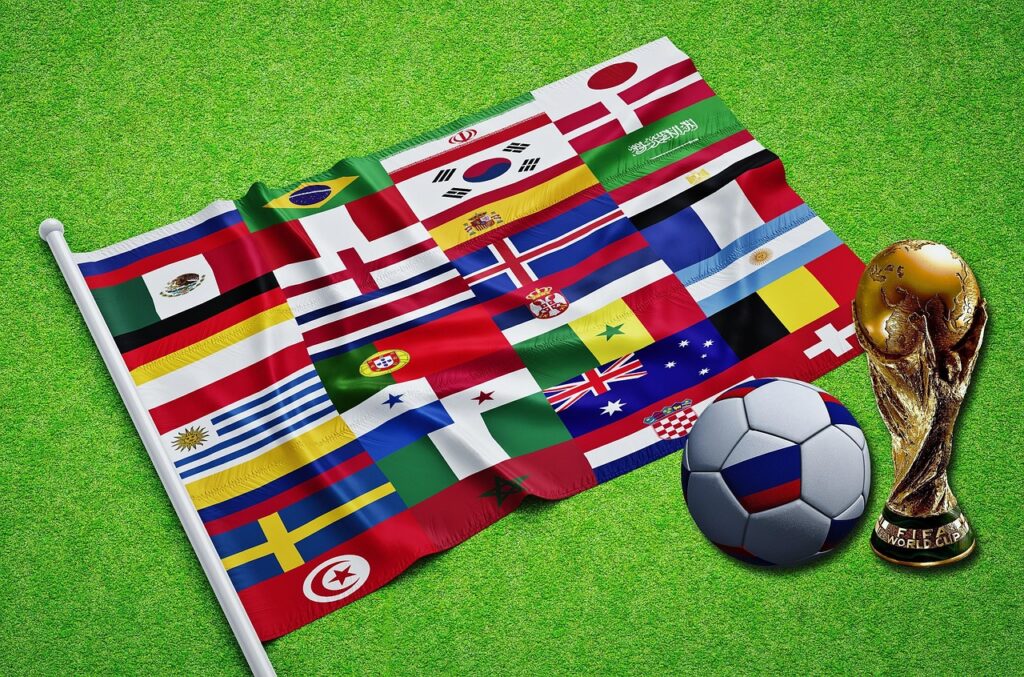

Most people who are new to the world of soccer might think the FIFA World Cup is just another sports event, but it’s actually a complex and fascinating phenomenon that has a significant impact on the world. Here’s the key thing to understand: the FIFA World Cup is not just about soccer; it’s about culture, politics, and community. Many individuals miss the fact that the tournament is a platform where nations come together, showcasing their unique identities and values. The FIFA World Cup is a premier international soccer tournament held every four years, featuring national teams from all over the world. It’s a highly anticipated event that attracts massive audiences and has a significant economic impact on the host countries.
📝 In This Post
The Basics of FIFA World Cup
The FIFA World Cup is an international soccer tournament where national teams compete against each other in a series of matches, with the ultimate goal of winning the coveted World Cup trophy. The tournament is organized by the Fédération Internationale de Football Association (FIFA), which is the governing body of international soccer. The FIFA World Cup has a rich history, dating back to 1930 when the first tournament was held in Uruguay.
| Term | Plain-English Meaning |
|---|---|
| FIFA | The international governing body of soccer, responsible for organizing the World Cup. |
| Soccer | A sport played between two teams of 11 players, with the objective of scoring more goals than the opposing team. |
| National Team | A team that represents a country in international soccer competitions. |
| World Cup Trophy | The award given to the winning team of the FIFA World Cup. |
| Host Country | The country where the FIFA World Cup is held, responsible for organizing and hosting the tournament. |
| Qualifying Rounds | The preliminary matches that national teams play to earn a spot in the World Cup finals. |
Why FIFA World Cup Matters
The FIFA World Cup has a significant impact on the world, extending beyond the world of sports. It brings people together, fostering a sense of community and national pride. For example, during the 2018 World Cup in Russia, the country saw a surge in tourism, with over 3.5 million fans attending matches in person. The tournament also had a positive impact on the local economy, with an estimated $14 billion in revenue generated from tourism and sponsorships.
The FIFA World Cup also has a profound effect on the lives of soccer players, coaches, and staff. It provides a platform for them to showcase their skills, gain international recognition, and potentially secure lucrative contracts. According to a report by the International Labor Organization, the 2018 World Cup created over 400,000 jobs in Russia, both directly and indirectly related to the tournament.
The FIFA World Cup also plays a crucial role in promoting cultural exchange and understanding between nations. The tournament features a diverse range of teams from different parts of the world, each with their unique culture, history, and values. For instance, during the 2014 World Cup in Brazil, the tournament was marked by vibrant cultural performances, food festivals, and traditional music, showcasing the rich cultural heritage of the host country.
Core FIFA World Cup Approaches
-
Understanding the Tournament Format
The FIFA World Cup features a unique tournament format, consisting of a group stage and a knockout stage. The group stage involves eight groups of four teams each, with each team playing the other teams in their group. The top two teams from each group then advance to the knockout stage, where they compete in a series of single-elimination matches.
To understand the tournament format, it’s essential to familiarize oneself with the rules and regulations of the World Cup. This includes knowing the schedule, the teams participating, and the criteria for advancement to the next round. A common beginner mistake is to assume that the tournament is a straightforward knockout competition, without considering the complexities of the group stage.
- Strengths:
- Allows for a diverse range of teams to participate
- Provides a platform for smaller teams to compete against more prominent nations
- Strengths:
-
Following the Qualifying Rounds
The qualifying rounds are a critical part of the FIFA World Cup, as they determine which teams will participate in the tournament. The qualifying process involves a series of matches played between national teams, with the top teams from each region earning a spot in the World Cup finals.
To follow the qualifying rounds, it’s essential to stay up-to-date with the latest news and scores. This can be done by checking the official FIFA website, following soccer news outlets, or watching live matches. A common beginner mistake is to assume that the qualifying rounds are not important, without realizing that they can have a significant impact on the outcome of the tournament.
- Strengths:
- Provides an opportunity for national teams to earn a spot in the World Cup
- Allows for a diverse range of teams to participate in the tournament
- Strengths:
-
Learning About the Teams and Players
The FIFA World Cup features a diverse range of teams and players, each with their unique strengths and weaknesses. To appreciate the tournament, it’s essential to learn about the different teams and players, including their history, culture, and playing style.
To learn about the teams and players, it’s essential to do some research. This can be done by reading about the teams and players, watching videos, or following soccer news outlets. A common beginner mistake is to assume that all teams and players are the same, without considering their unique characteristics and abilities.
- Strengths:
- Provides an opportunity to learn about different cultures and histories
- Allows for a deeper appreciation of the tournament and its participants
- Strengths:
-
Understanding the Rules and Regulations
The FIFA World Cup has a set of rules and regulations that govern the tournament. These rules include the Laws of the Game, which outline the basic rules of soccer, as well as specific regulations related to the World Cup, such as the use of technology and the handling of disciplinary cases.
To understand the rules and regulations, it’s essential to familiarize oneself with the official FIFA website and the Laws of the Game. A common beginner mistake is to assume that the rules are not important, without realizing that they can have a significant impact on the outcome of the tournament.
- Strengths:
- Provides a framework for fair and consistent decision-making
- Ensures that the tournament is conducted in a safe and respectful manner
- Strengths:
-
Appreciating the Cultural Significance
The FIFA World Cup has a profound cultural significance, extending beyond the world of sports. It provides a platform for nations to come together, showcasing their unique identities and values. The tournament features a diverse range of cultural performances, food festivals, and traditional music, highlighting the rich cultural heritage of the host country.
To appreciate the cultural significance, it’s essential to be open-minded and respectful of different cultures. This can be done by learning about the history and traditions of the host country, attending cultural events, or trying local cuisine. A common beginner mistake is to assume that the cultural aspects of the tournament are not important, without realizing that they can enrich the overall experience.
- Strengths:
- Provides an opportunity for cultural exchange and understanding
- Enriches the overall experience of the tournament
- Strengths:
-
Staying Up-to-Date with the Latest News and Scores
To stay up-to-date with the latest news and scores, it’s essential to follow reputable sources, such as the official FIFA website, soccer news outlets, or social media. This can be done by checking the latest news and scores, watching live matches, or following soccer pundits and analysts.
A common beginner mistake is to rely on a single source of information, without considering the diversity of perspectives and opinions. To stay up-to-date, it’s essential to be proactive and engage with the soccer community.
- Strengths: read more here
- Provides access to the latest news and scores
- Allows for a deeper understanding of the tournament and its participants
- Strengths: read more here
-
Attending Live Matches or Watching on TV
Attending live matches or watching on TV is an essential part of the FIFA World Cup experience. It provides an opportunity to witness the excitement and drama of the tournament firsthand, surrounded by thousands of passionate fans. To attend live matches, it’s essential to plan ahead, purchasing tickets and arranging travel and accommodation in advance.
A common beginner mistake is to assume that attending live matches is not feasible, without considering the various options and alternatives. To watch on TV, it’s essential to have access to a reliable broadcast, either through a TV subscription or online streaming service.
- Strengths:
- Provides an immersive and exciting experience
- Allows for a deeper connection with the tournament and its participants
- Strengths:
| Step | What You Do | Expected Result |
|---|---|---|
| 1. Understanding the Tournament Format | Familiarize yourself with the rules and regulations of the World Cup | A deeper understanding of the tournament and its participants |
| 2. Following the Qualifying Rounds | Stay up-to-date with the latest news and scores | A better understanding of the teams and players participating in the tournament |
| 3. Learning About the Teams and Players | Research the different teams and players, including their history, culture, and playing style | A deeper appreciation of the tournament and its participants |
| 4. Understanding the Rules and Regulations | Familiarize yourself with the Laws of the Game and specific regulations related to the World Cup | A better understanding of the rules and regulations governing the tournament |
| 5. Appreciating the Cultural Significance | Be open-minded and respectful of different cultures, learning about the history and traditions of the host country | A deeper appreciation of the cultural significance of the tournament |
| 6. Staying Up-to-Date with the Latest News and Scores | Follow reputable sources, such as the official FIFA website, soccer news outlets, or social media | Access to the latest news and scores, allowing for a deeper understanding of the tournament and its participants |
| 7. Attending Live Matches or Watching on TV | Attend live matches or watch on TV, either through a TV subscription or online streaming service | An immersive and exciting experience, allowing for a deeper connection with the tournament and its participants |
Frequently Asked Questions
What is the FIFA World Cup?
The FIFA World Cup is an international soccer tournament held every four years, featuring national teams from all over the world. It’s a premier sporting event that attracts massive audiences and has a significant economic impact on the host countries.
How do teams qualify for the FIFA World Cup?
Teams qualify for the FIFA World Cup through a series of preliminary matches, known as the qualifying rounds. The qualifying process involves a diverse range of teams from different regions, with the top teams earning a spot in the World Cup finals.
What is the format of the FIFA World Cup?
The FIFA World Cup features a unique tournament format, consisting of a group stage and a knockout stage. The group stage involves eight groups of four teams each, with each team playing the other teams in their group. The top two teams from each group then advance to the knockout stage, where they compete in a series of single-elimination matches.
How can I stay up-to-date with the latest news and scores?
To stay up-to-date with the latest news and scores, it’s essential to follow reputable sources, such as the official FIFA website, soccer news outlets, or social media. This can be done by checking the latest news and scores, watching live matches, or following soccer pundits and analysts.
Can I attend live matches or watch on TV?
Yes, attending live matches or watching on TV is an essential part of the FIFA World Cup experience. It provides an opportunity to witness the excitement and drama of the tournament firsthand, surrounded by thousands of passionate fans. To attend live matches, it’s essential to plan ahead, purchasing tickets and arranging travel and accommodation in advance.
Closing Thoughts
The FIFA World Cup is a premier international soccer tournament that captivates audiences worldwide, but it’s more than just a sports event. It’s a platform for nations to come together, showcasing their unique identities and values. By understanding the basics of the FIFA World Cup, following the qualifying rounds, and appreciating the cultural significance, individuals can gain a deeper appreciation of the tournament and its participants.
Most people miss the fact that the FIFA World Cup is not just about soccer; it’s about culture, politics, and community. Here’s the key thing to understand: the FIFA World Cup is a complex and fascinating phenomenon that has a significant impact on the world.
By embracing the FIFA World Cup and all its aspects, individuals can experience the excitement and drama of the tournament, while also gaining a deeper understanding of the world and its diverse cultures.