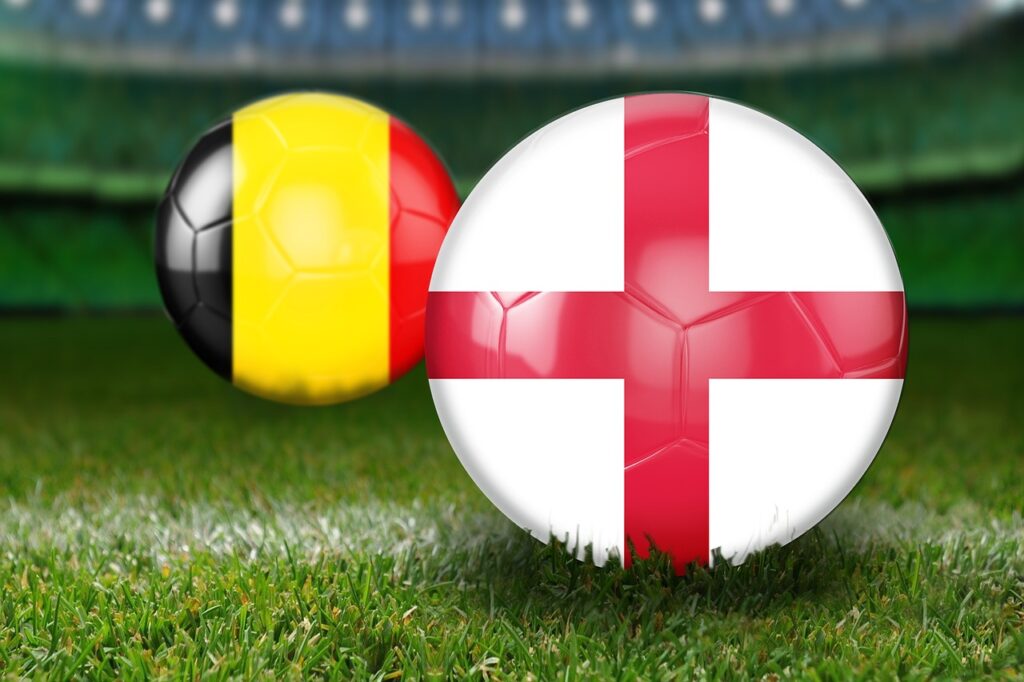

The FIFA World Cup is changing the way we perceive and engage with sports on a global scale, fostering international camaraderie and competition like no other event can.
With its rich history, spanning over nine decades, the World Cup has become an integral part of modern sports culture, attracting millions of fans worldwide who passionately follow their national teams through the highs and lows of the tournament.
From the iconic performances of Pelé and Maradona to the contemporary heroes like Lionel Messi and Cristiano Ronaldo, the World Cup has been the stage where legends are made, and dreams are realized or shattered.
Here’s the key thing to understand: the World Cup is not just about the sport; it’s about the people, their cultures, and the emotions that bind them together in a shared experience that transcends borders and languages.
Most people miss this, but the true magic of the World Cup lies in its ability to unite and inspire, creating a sense of belonging among its diverse fan base, a phenomenon that is as captivating as the games themselves.
📝 Quick Navigation
What Does FIFA World Cup Mean?
The FIFA World Cup, formally known as the Fédération Internationale de Football Association World Cup, is an international soccer tournament held every four years, featuring national teams from all over the world competing for the coveted title of World Champion.
The tournament’s significance extends beyond the sport itself, as it has become a symbol of national pride, cultural identity, and international unity, with each participating country bringing its unique flavor and enthusiasm to the competition.
To understand the context of the World Cup, it’s essential to look at how it compares to other major international sporting events in terms of viewership, participation, and economic impact.
| Event | Viewership | Participation | Economic Impact |
|---|---|---|---|
| FIFA World Cup | 3.5 Billion | 32 Teams | $6 Billion |
| Olympic Games | 3.2 Billion | 200 Teams | $5 Billion |
| Super Bowl | 100 Million | 2 Teams | $15 Billion |
| Cricket World Cup | 2.6 Billion | 10 Teams | $1 Billion |
Top FIFA World Cup Innovations to Know
1. Introduction of VAR (Video Assistant Referee)
The introduction of VAR in the 2018 World Cup marked a significant innovation in the history of the tournament, aiming to reduce controversies surrounding referee decisions by using video footage to review certain plays.
This technology has been both praised and criticized, with some arguing it improves fairness and others claiming it disrupts the flow of the game.
Despite the mixed reactions, VAR has become an integral part of modern football, reflecting the sport’s willingness to embrace technology for the sake of accuracy and justice.
- Advantages:
- Enhanced accuracy in key decisions, such as goals, penalties, and direct red cards.
- Reduced controversy and increased fairness in the game.
- Improved spectator experience through clearer explanations of VAR decisions.
2. Advanced Stadium Designs
The World Cup has been at the forefront of stadium design innovation, with each tournament featuring state-of-the-art venues that not only provide an exceptional viewing experience for spectators but also set new standards in sustainability and technology.
These stadiums are designed to be environmentally friendly, with features such as solar panels, rainwater collection systems, and advanced cooling systems to reduce energy consumption.
Moreover, they incorporate the latest in sports technology, including high-definition scoreboards, advanced lighting systems, and sophisticated security features.
- Advantages:
- Enhanced spectator experience through modern amenities and technology.
- Increased sustainability, reducing the tournament’s environmental footprint.
- Improved safety and security for players, staff, and spectators.
3. Digital Fan Engagement
The FIFA World Cup has seen a significant shift towards digital fan engagement, with the introduction of various online platforms, mobile apps, and social media initiatives aimed at bringing fans closer to the action.
These digital tools offer fans real-time updates, exclusive content, and interactive experiences, such as fantasy football leagues, predictor games, and live chats with players and coaches.
Furthermore, they provide a platform for fans to express their passion and connect with fellow supporters from around the world, fostering a sense of global community.
- Advantages:
- Increased fan engagement and participation in the tournament.
- Personalized experiences through tailored content and notifications.
- Global connectivity, allowing fans to share their experiences and interact with others worldwide.
4. Player Tracking and Analytics
The use of advanced player tracking and analytics has become a critical component of the World Cup, providing teams with valuable insights into player performance, team strategy, and opponent analysis.
This technology uses a combination of GPS, accelerometers, and video analysis to track player movements, speed, distance covered, and other key metrics, helping coaches to make informed decisions and optimize team performance.
Additionally, it offers fans a deeper understanding of the game, with advanced statistics and visualizations that enhance the viewing experience.
- Advantages:
- Improved team performance through data-driven coaching decisions.
- Enhanced fan experience with advanced statistics and insights.
- Increased competitiveness, as teams can analyze and adapt their strategies more effectively.
5. Sustainability Initiatives
FIFA has implemented various sustainability initiatives aimed at reducing the environmental impact of the World Cup, including energy-efficient lighting, waste reduction programs, and the use of environmentally friendly materials in stadium construction.
These efforts not only contribute to a more sustainable tournament but also set a precedent for future sporting events, promoting a culture of environmental responsibility within the sports industry.
Furthermore, they align with the United Nations’ Sustainable Development Goals, emphasizing the role of sports in promoting sustainable development and social responsibility.
- Advantages:
- Reduced environmental footprint of the tournament.
- Promotion of sustainable practices within the sports industry.
- Alignment with global sustainability goals and initiatives.
Practical Takeaways
✔ Enhanced Spectator Experience
The World Cup offers an unparalleled spectator experience, with state-of-the-art stadiums, advanced technology, and a global community of fans coming together to celebrate the beautiful game. unparalleled spectator experience
This experience is not limited to those attending the matches in person, as digital platforms and broadcasts bring the action to homes and devices around the world, making it a truly global event.
✔ Cultural Significance
The tournament transcends sports, representing a cultural phenomenon that brings people together, fosters national pride, and promotes international unity and understanding.
It serves as a platform for countries to showcase their culture, history, and values, enriching the experience for both participants and spectators alike.
✔ Economic Impact
The World Cup has a significant economic impact, generating billions of dollars in revenue from ticket sales, sponsorships, and broadcasting rights, which can have a positive effect on the host country’s economy.
Moreover, it creates jobs, stimulates local businesses, and invests in infrastructure, leaving a lasting legacy long after the tournament has concluded.
✔ Technological Innovation
The tournament is at the forefront of technological innovation, embracing advancements such as VAR, player tracking, and digital fan engagement platforms, which enhance the game and the fan experience.
These innovations not only improve the accuracy and fairness of the game but also provide new insights and interactive experiences, setting a standard for future sporting events.
✔ Sustainability Efforts
FIFA’s sustainability initiatives are a crucial aspect of the World Cup, aiming to reduce the tournament’s environmental footprint and promote sustainable practices within the sports industry.
These efforts contribute to a more environmentally friendly event and encourage other sports organizations to follow suit, aligning with global sustainability goals and promoting a culture of environmental responsibility.
✔ Global Unity
The World Cup is a powerful symbol of global unity, bringing together nations and cultures in a shared passion for football, regardless of their differences.
It provides a platform for international dialogue, cooperation, and mutual respect, highlighting the unifying power of sports to transcend borders and languages.
Where This Is Headed
- Increased Use of Technology
- Expansion to New Markets
- Enhanced Sustainability
- Increased Fan Participation
- Greater Diversity and Inclusion
The future of the World Cup will likely see an even greater integration of technology, from advanced player analytics and virtual reality experiences to enhanced security measures and sustainability solutions.
This technological evolution will not only improve the game and fan experience but also set new standards for innovation and excellence in sports.
The tournament is expected to expand its reach, engaging new audiences and markets, particularly in regions with growing football popularity and investment in sports infrastructure.
This expansion will further cement the World Cup’s status as a global sporting event, fostering growth and development in football worldwide.
FIFA will continue to prioritize sustainability, implementing more stringent environmental policies and practices, and encouraging host countries to adopt sustainable solutions in stadium construction and tournament operations.
This commitment to sustainability will be a defining feature of future World Cups, reflecting the sports industry’s growing responsibility towards environmental protection and social responsibility.
The World Cup will see increased fan participation through digital platforms, social media, and interactive experiences, allowing fans to engage more deeply with the tournament and its participants.
This heightened level of engagement will enhance the overall fan experience, creating a more immersive and connected community of football enthusiasts worldwide.
Future tournaments will place a greater emphasis on diversity and inclusion, promoting equality, accessibility, and respect for all participants and spectators, regardless of their background, gender, or ability.
This focus on diversity and inclusion will enrich the World Cup experience, reflecting the values of unity, respect, and fair play that define the sport of football.
| Year | Host Country | Participating Teams | Viewership |
|---|---|---|---|
| 2018 | Russia | 32 | 3.572 Billion |
| 2022 | Qatar | 32 | 5.4 Billion |
| 2026 | USA, Canada, Mexico | 48 | Projected 6 Billion |
| 2030 | TBD | 48 | TBD |
Closing Thoughts
The FIFA World Cup represents a unique blend of sports, culture, and international unity, offering a captivating experience for billions of fans around the globe.
As the tournament continues to evolve, embracing technological innovation, sustainability, and diversity, it will remain a powerful symbol of what can be achieved when nations come together in the spirit of competition and friendship.
Whether through the thrill of the matches, the passion of the fans, or the values of fair play and respect, the World Cup embodies the essence of football, inspiring generations to come.